Two cities, four days, one train ticket — here’s everything you need to plan this trip without breaking the bank. This post is part of our Travel Blogs series.
Rajasthan had been sitting on our bucket list for years. Forts, deserts, palaces, stories carved into sandstone — it always sounded like the kind of trip that needed a big budget and careful planning. Turns out, it doesn’t. We did Jodhpur and Jaisalmer in December as two people, kept it lean, and came back absolutely convinced that this is one of the best value trips you can do in India.
We took the overnight train from Delhi, rented a scooty in Jodhpur, hopped autos in Jaisalmer, and hired a car for one long desert day. No guided tours, no resort packages. Just the two of us figuring it out as we went. Here’s the full itinerary — everything we did, how we got around, and what it actually cost.
How to Get There
The cleanest way to do this trip from Delhi is entirely by train. The overnight Mandore Express or Suryanagri Express from Delhi to Jodhpur takes around 10 hours — book a 3AC or Sleeper berth and you wake up in Rajasthan. From Jodhpur, the Jodhpur–Jaisalmer Express takes about 5.5 hours and the views from the window as you enter the Thar Desert are genuinely worth staying awake for. For the return, book your Jaisalmer–Delhi train well in advance — December is peak season and seats disappear fast.
Pro tip
Book all three train legs on IRCTC as soon as your dates are confirmed. The Jaisalmer–Delhi train in particular fills up 2–3 weeks ahead in winter. Tatkal quota is your backup but costs more.
Jodhpur: The Blue City
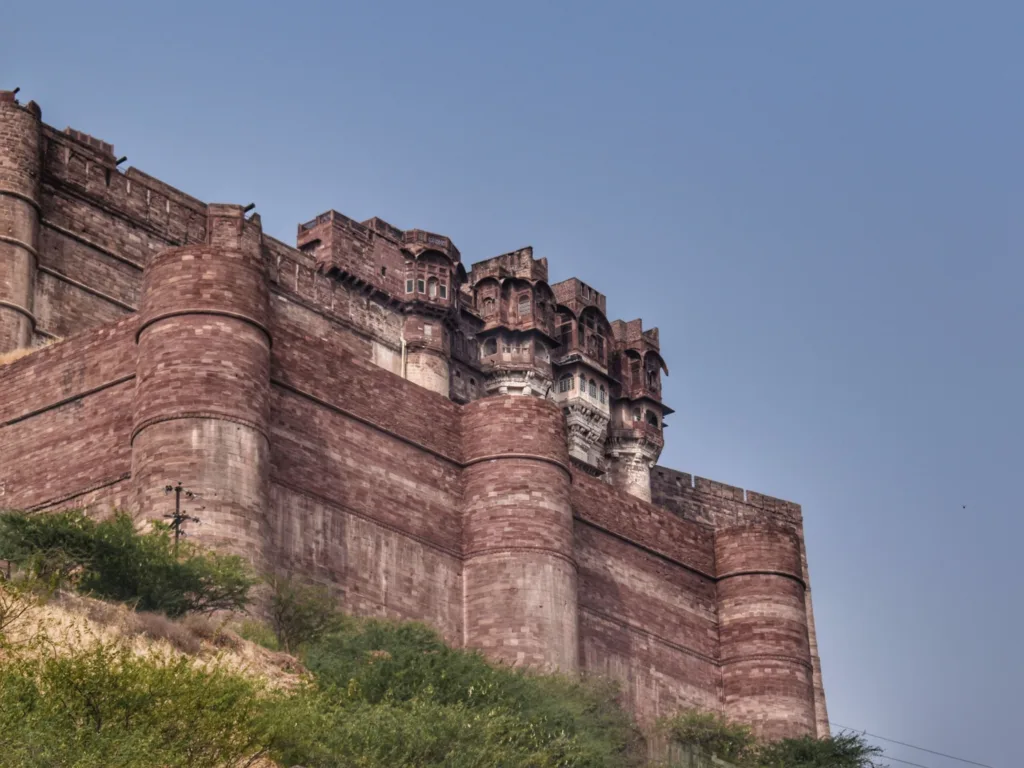
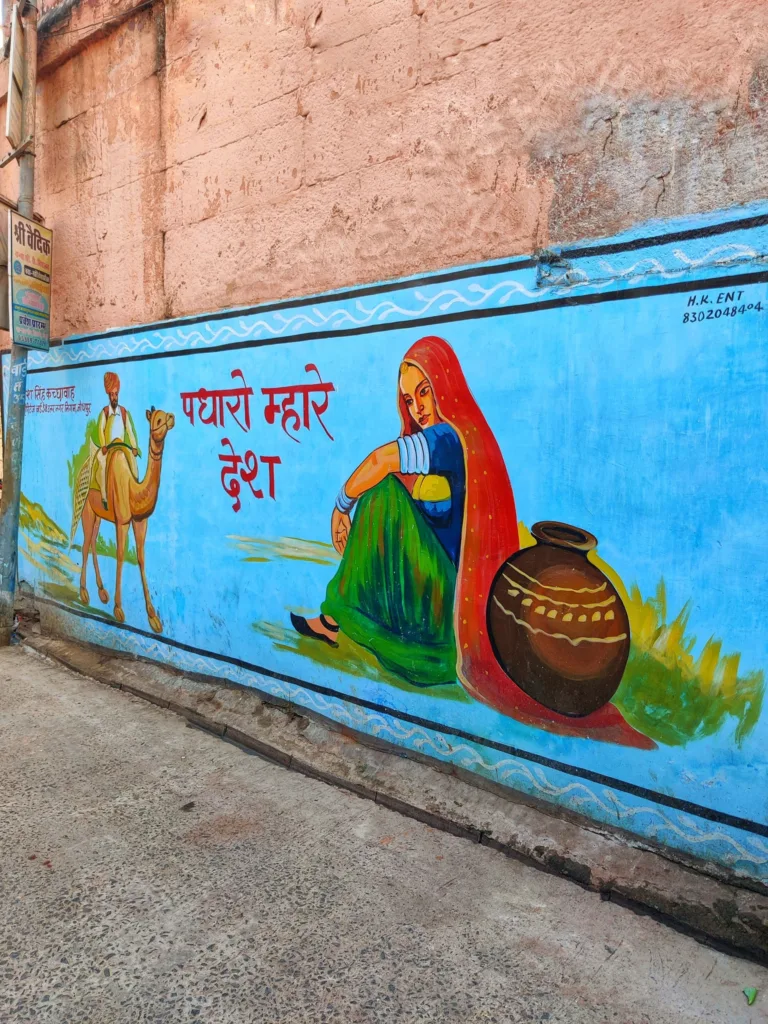
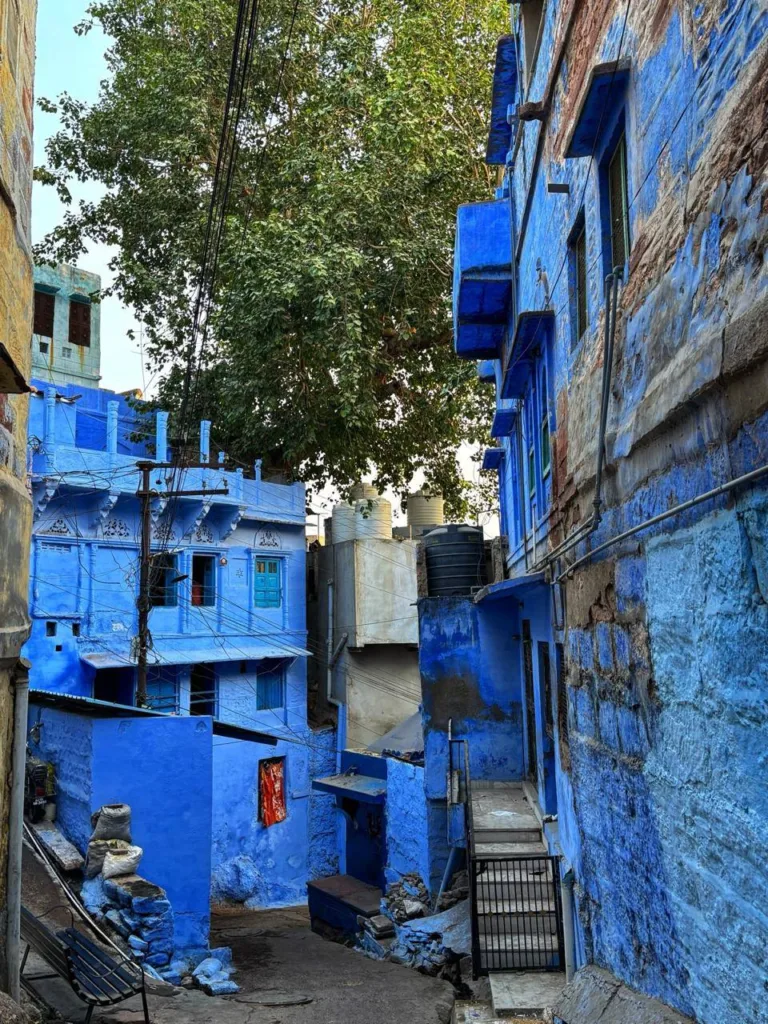
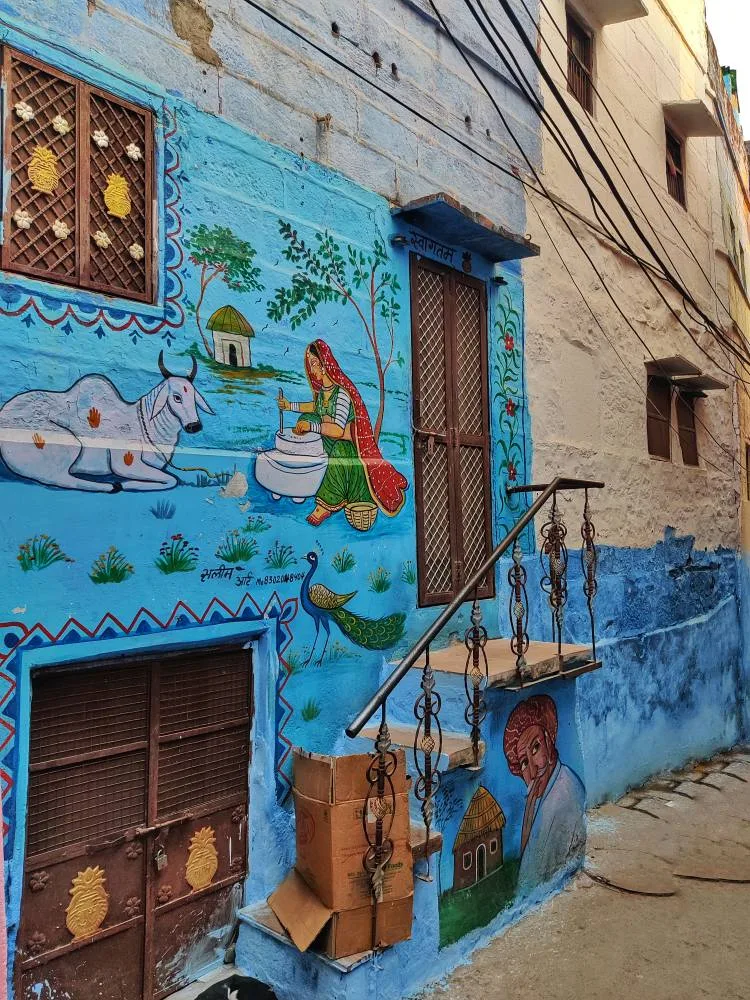
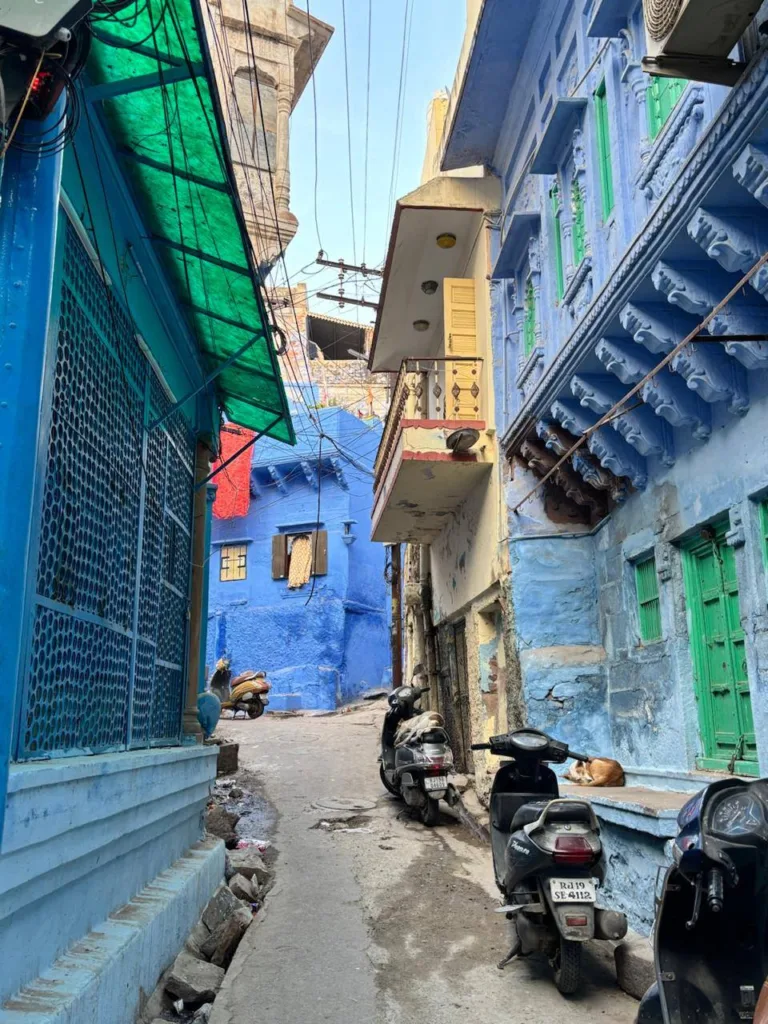
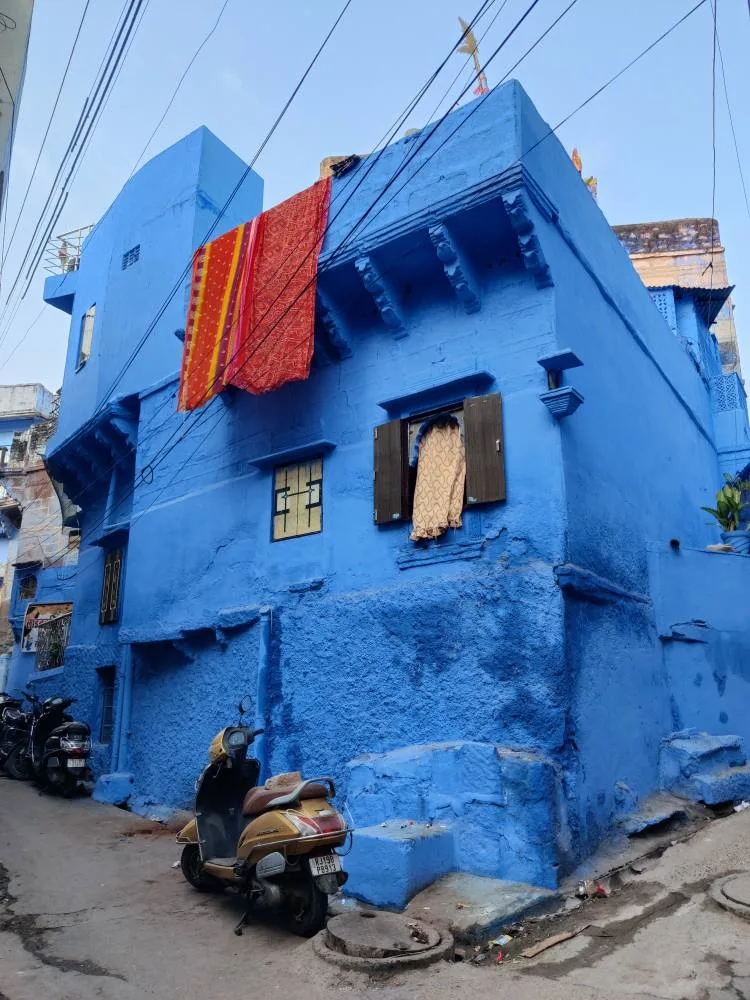
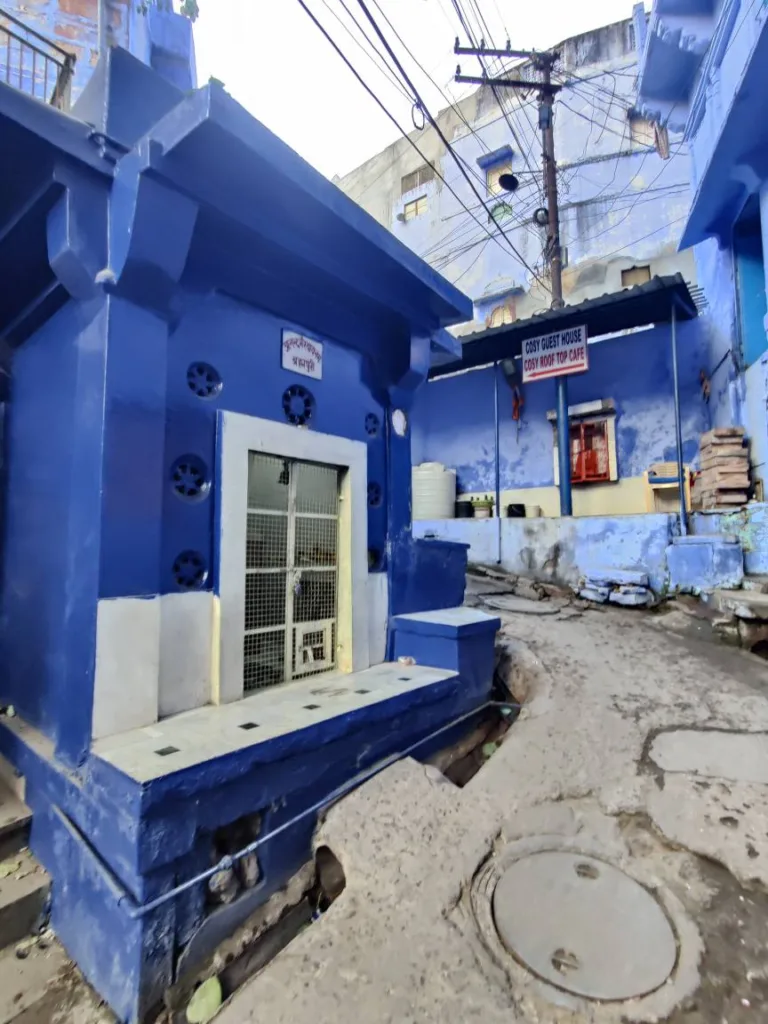
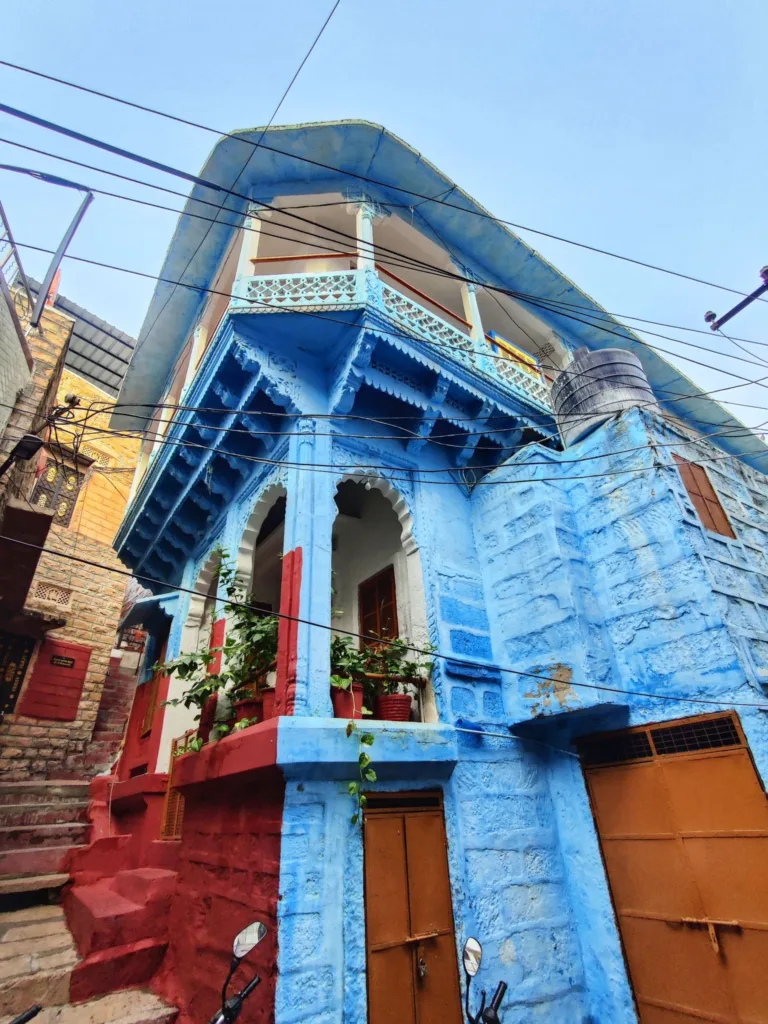
Jodhpur was our first stop and it set the tone for everything that followed. The old city — with its tightly packed indigo-painted houses tumbling down the hill below Mehrangarh Fort — earns the “Blue City” nickname completely. But Jodhpur is more than a pretty colour palette. It’s loud and layered and completely alive.
We rented a scooty for our two days here and it was easily the best decision of the trip. For around ₹400–₹500 a day including petrol, you have total freedom to move at your own pace — no haggling with autos, no waiting. Everything in Jodhpur is reachable on two wheels.
Mehrangarh Fort
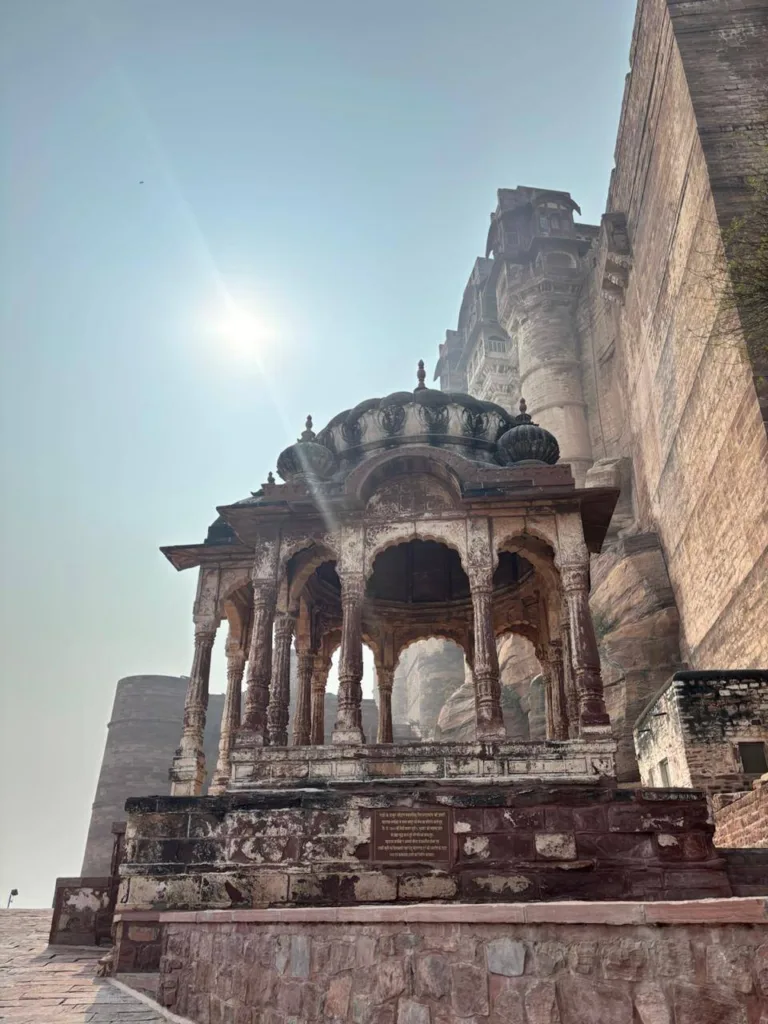
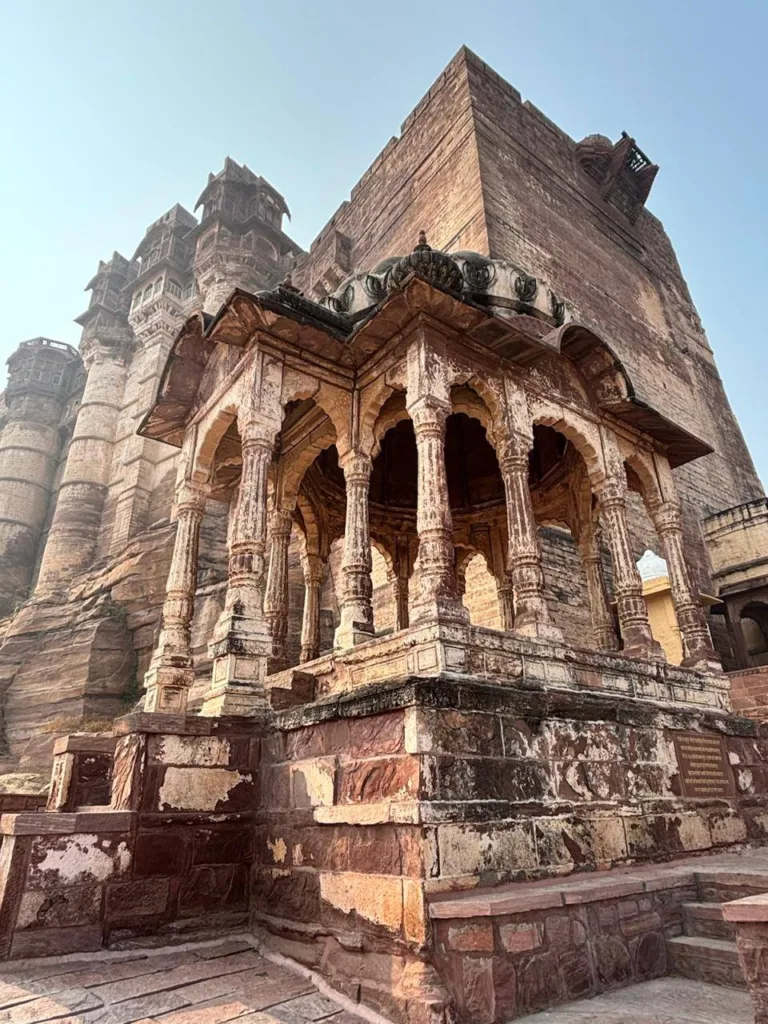
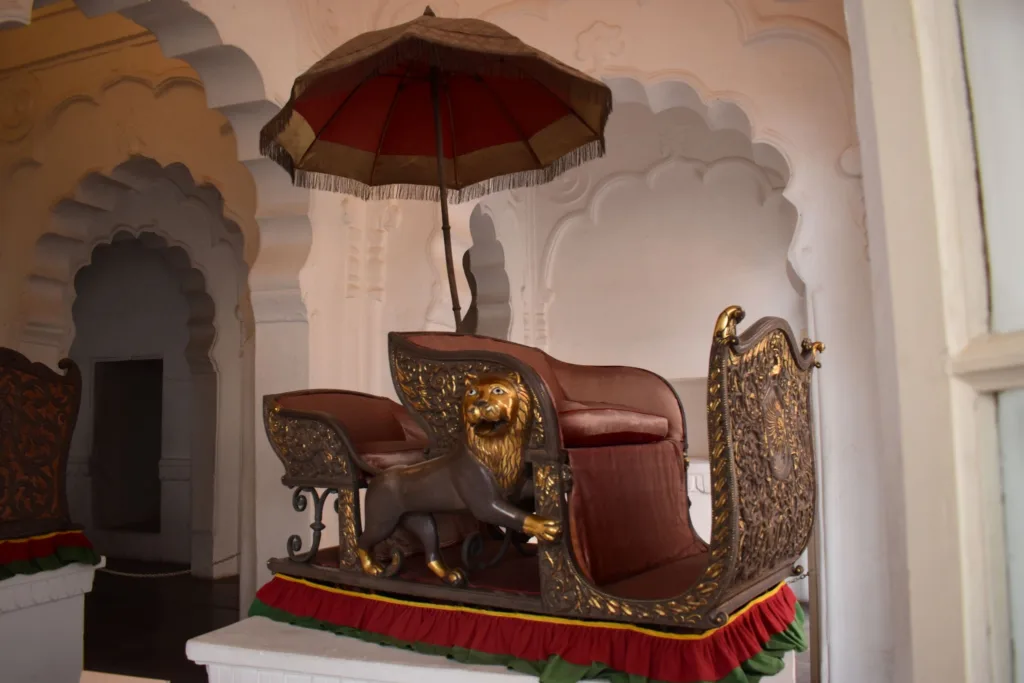
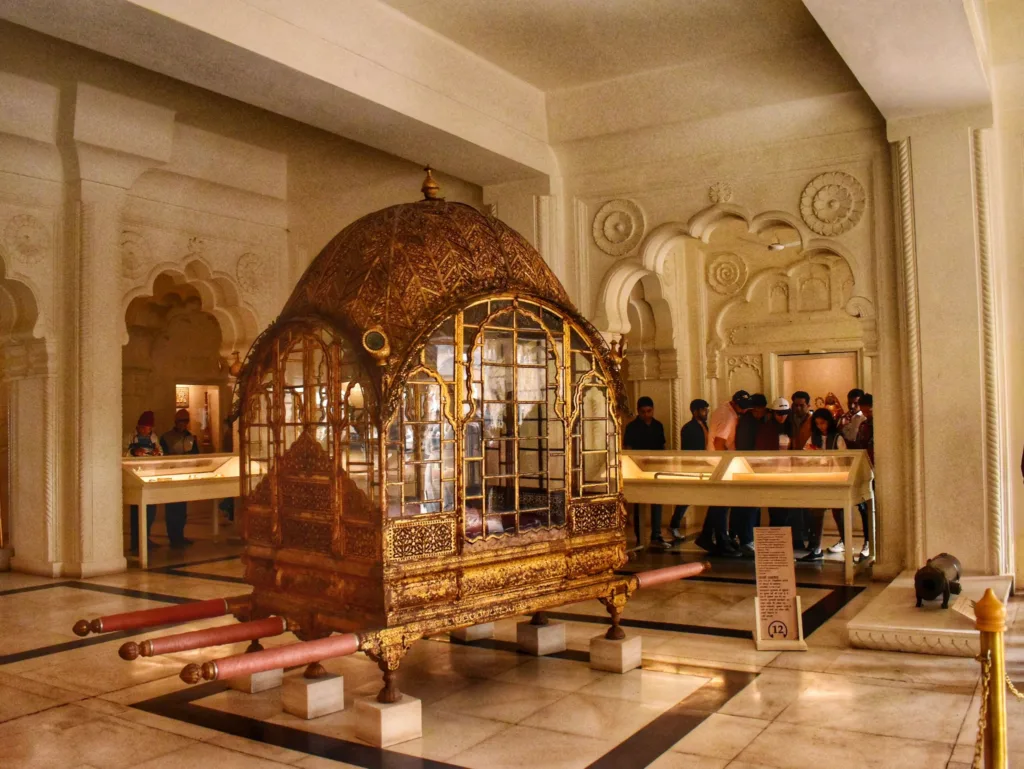
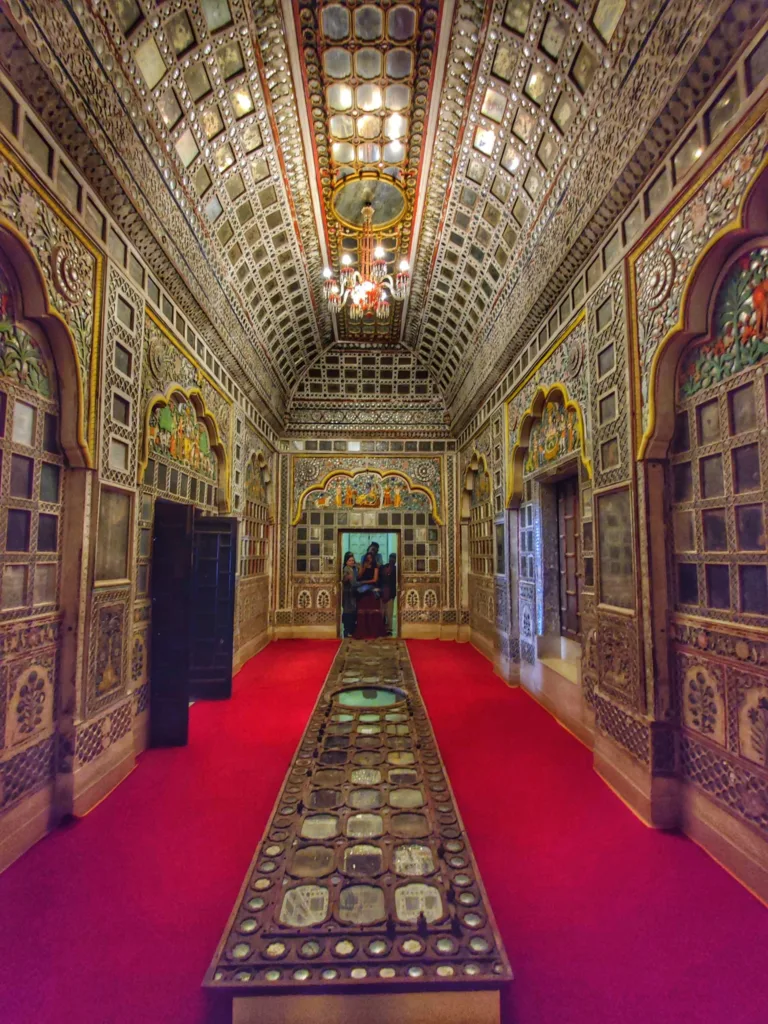
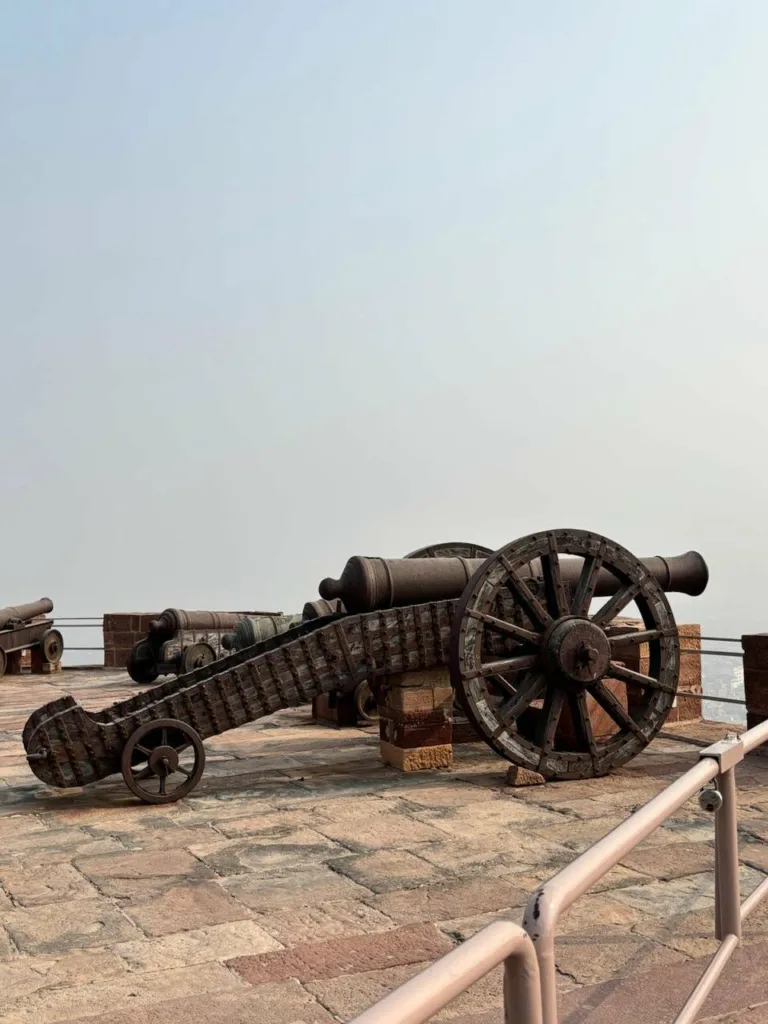
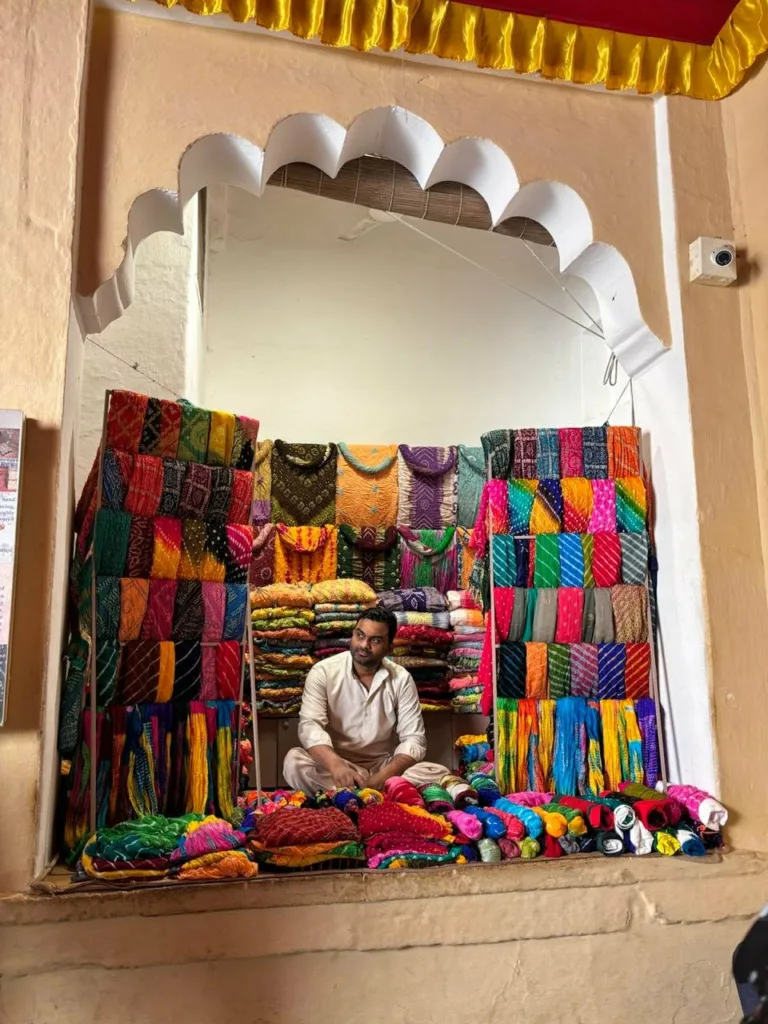
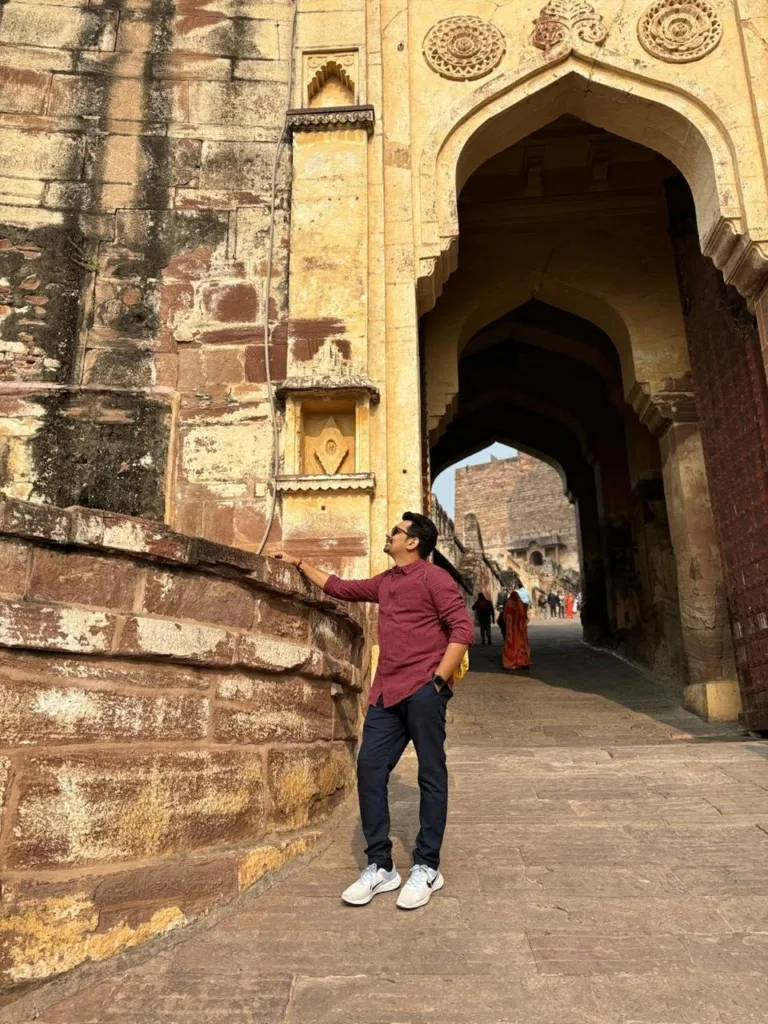
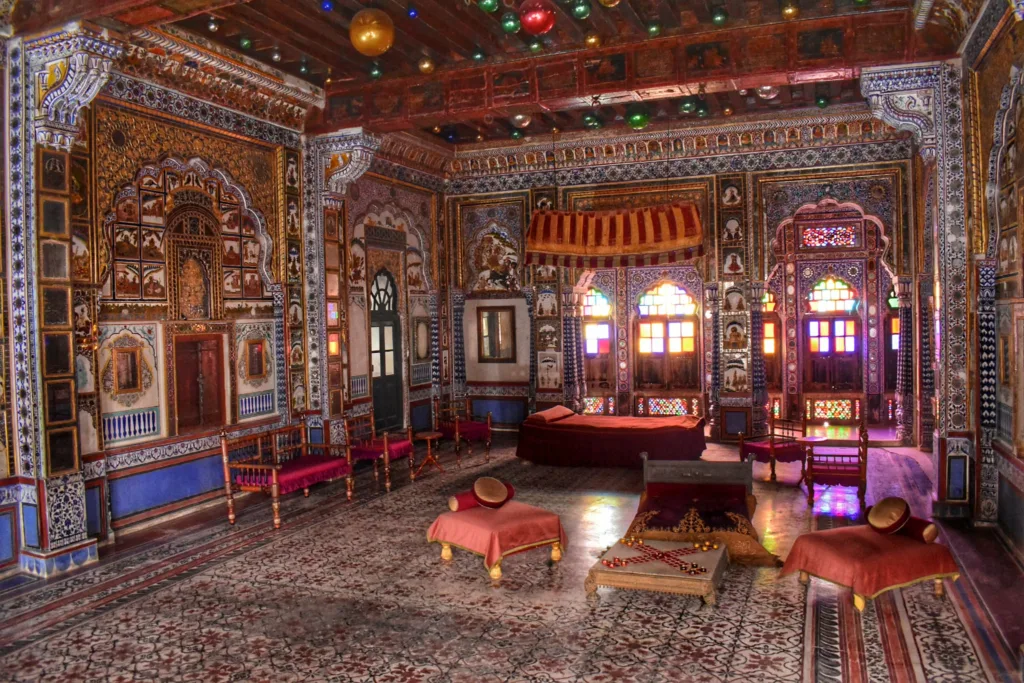
Start here. Perched 120 metres above the city on a rocky hill, Mehrangarh is one of the largest forts in India — built in 1459 by Rao Jodha, who founded Jodhpur as a more defensible capital than the older town of Mandore. The scale is staggering, but it’s the details that get you: floral latticework in the palace windows, cannonball scars still embedded in the gates, a museum that rewards anyone who actually reads the placards. Budget at least two to three hours here.
Jaswant Thada
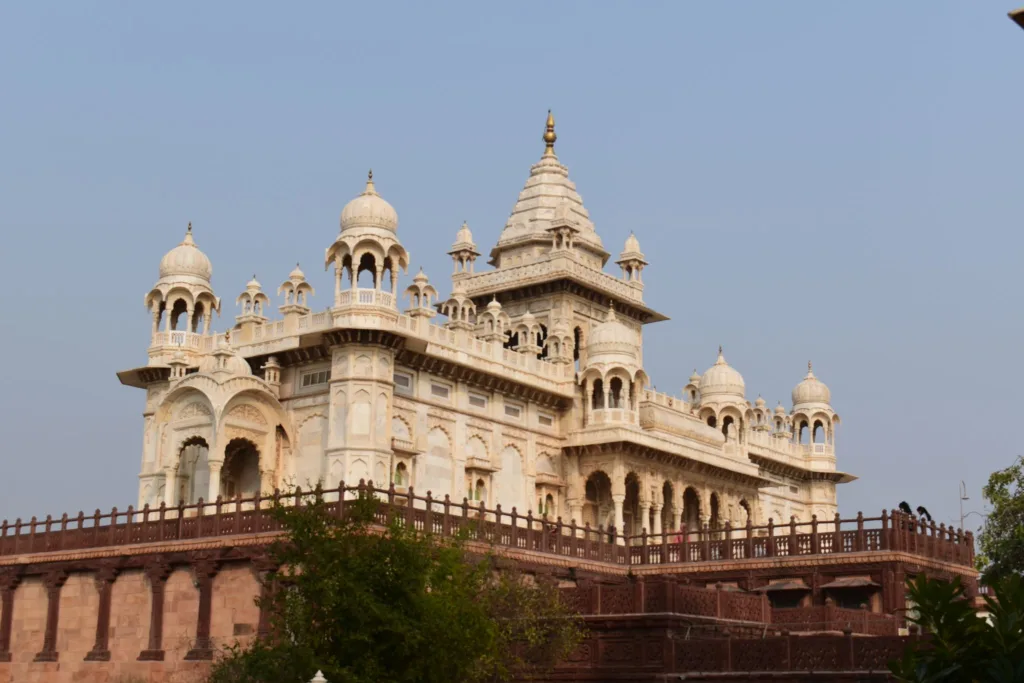
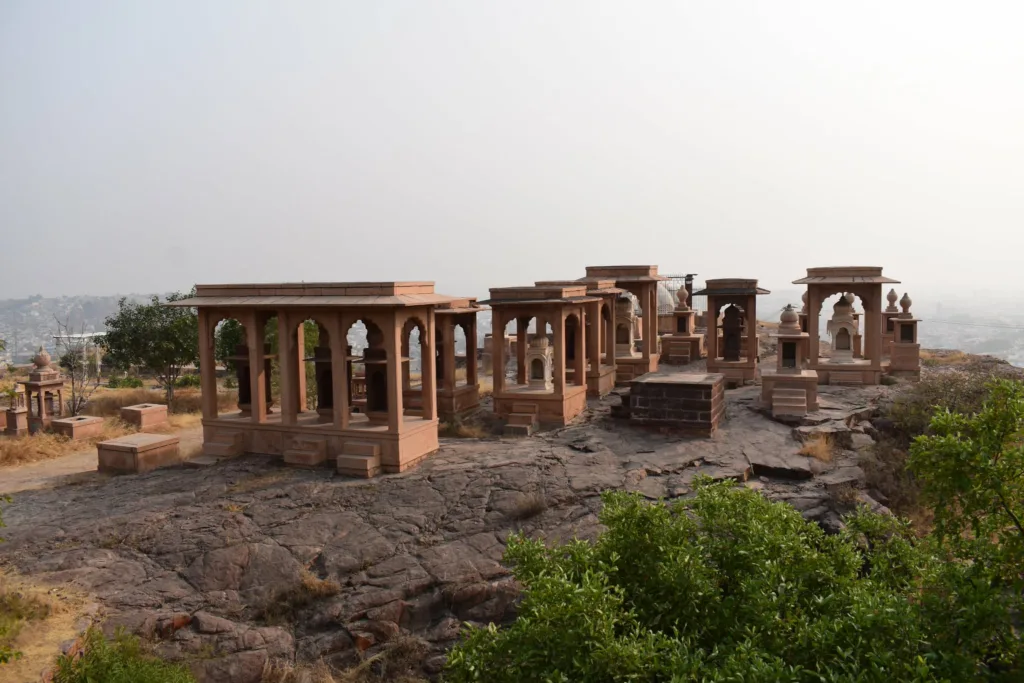
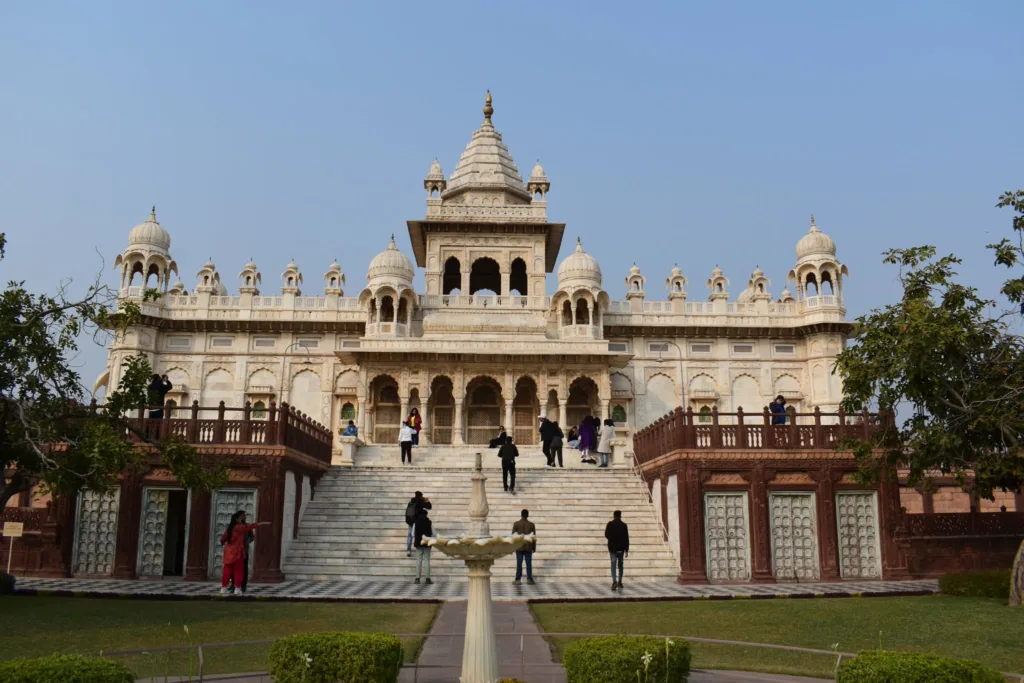
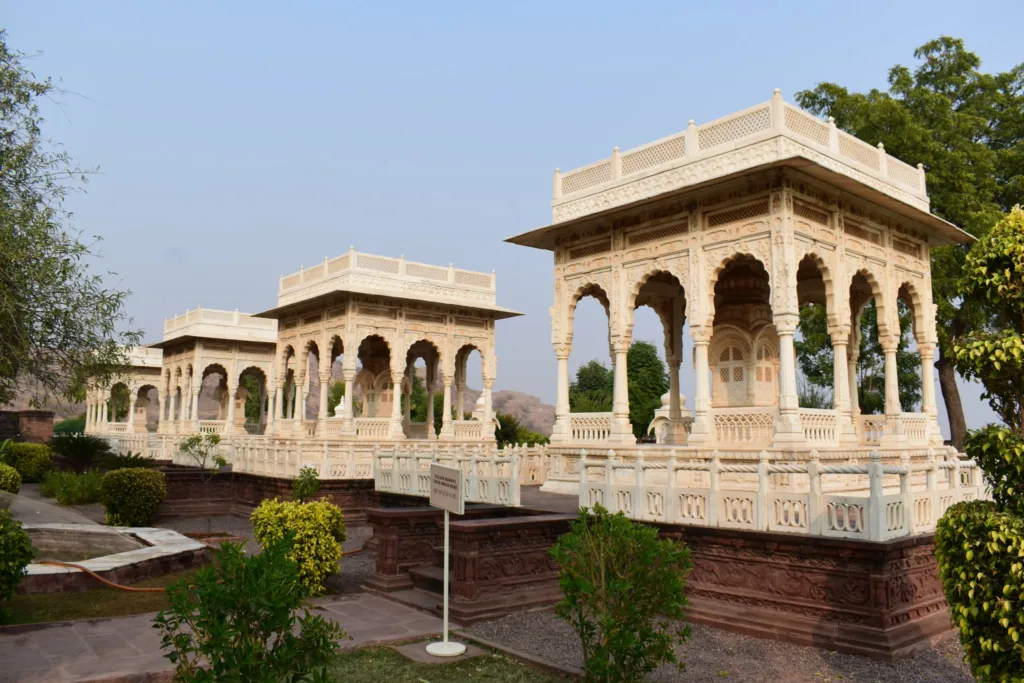
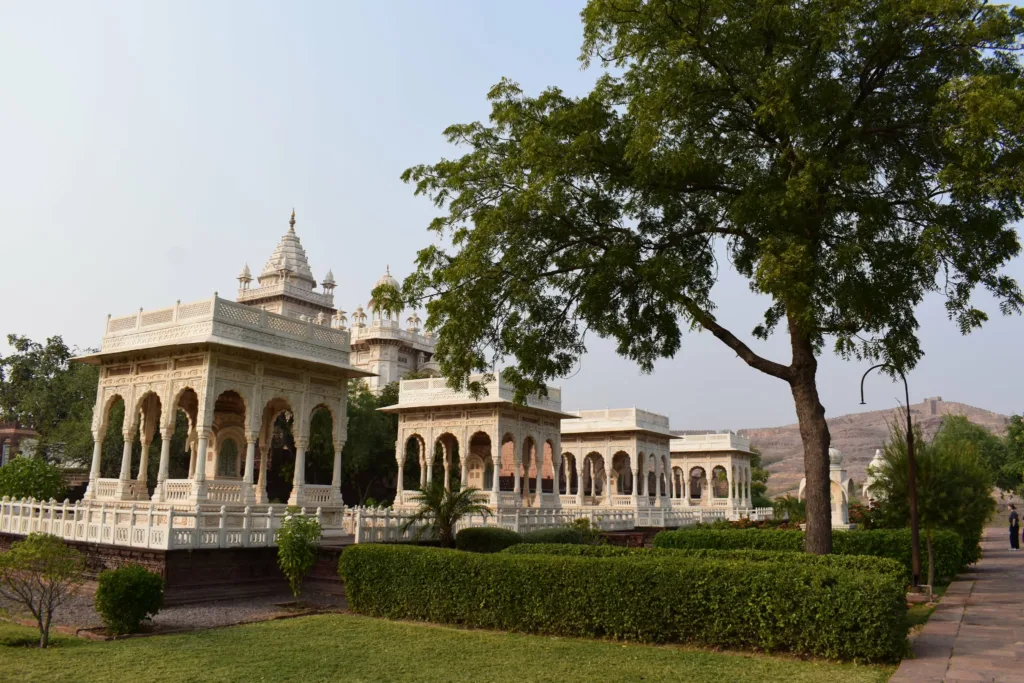
A ten-minute walk from the fort, this white marble cenotaph was built in 1899 by Maharaja Sardar Singh in memory of his father. On a sunny morning the marble almost glows. The gardens around it are quiet and well-kept — a good place to decompress after the intensity of the fort before heading further into the city.
Umaid Bhawan Palace
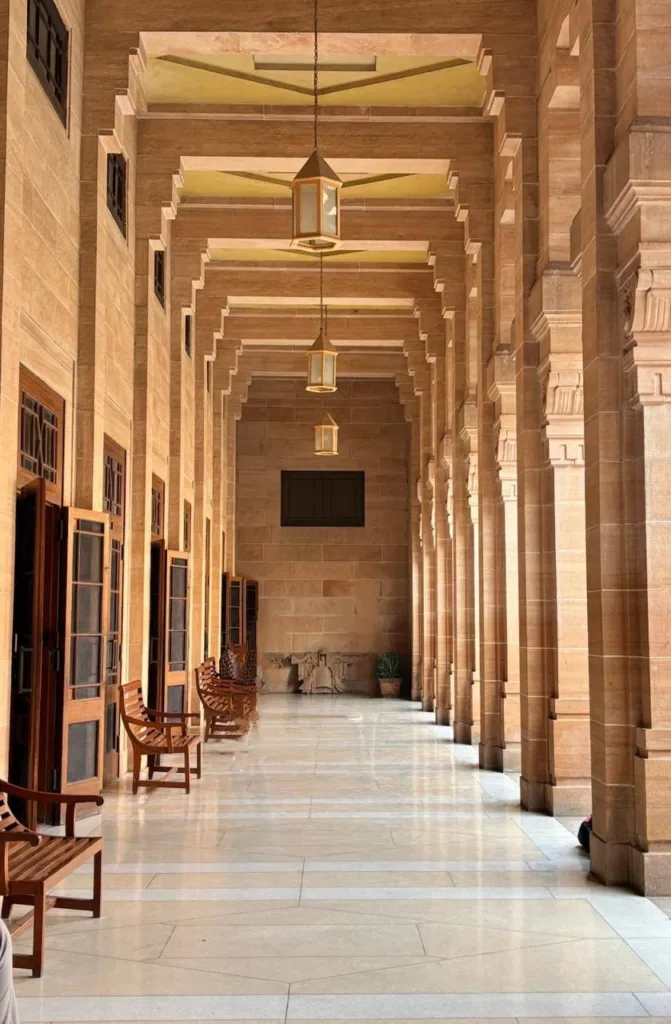
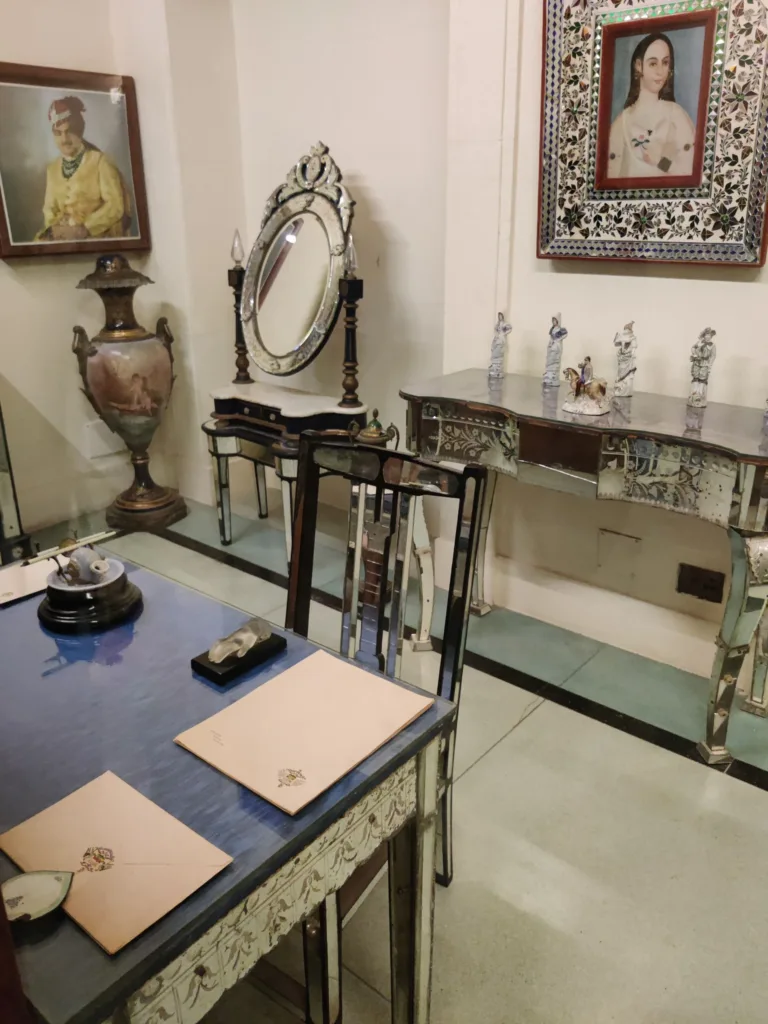
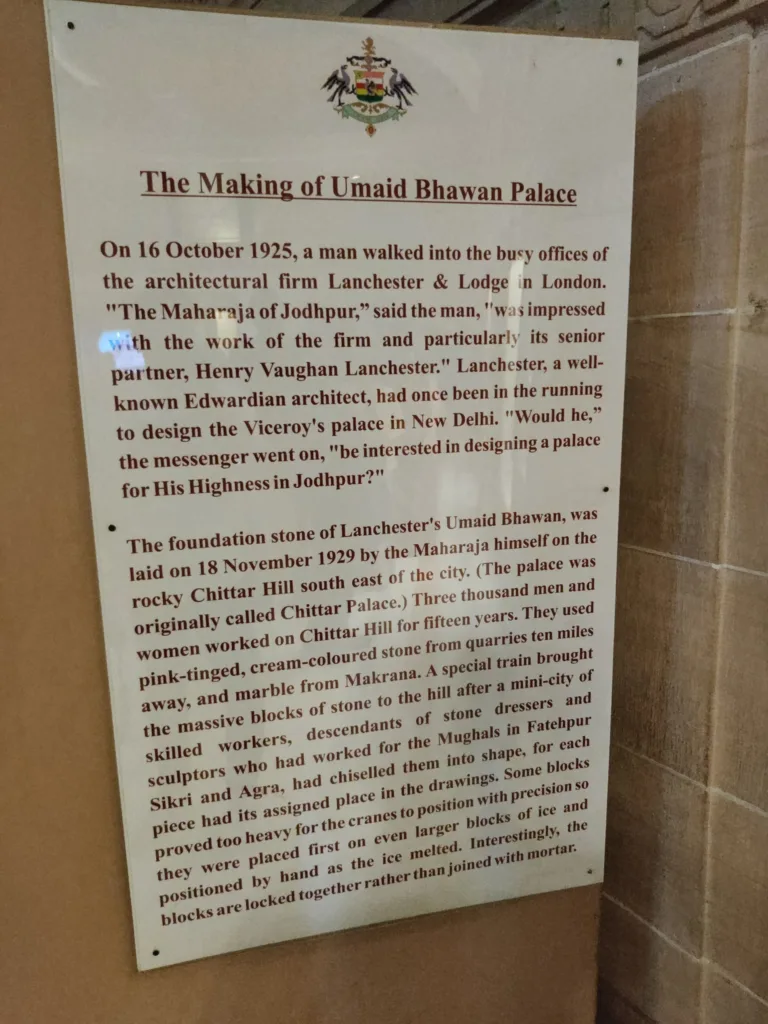
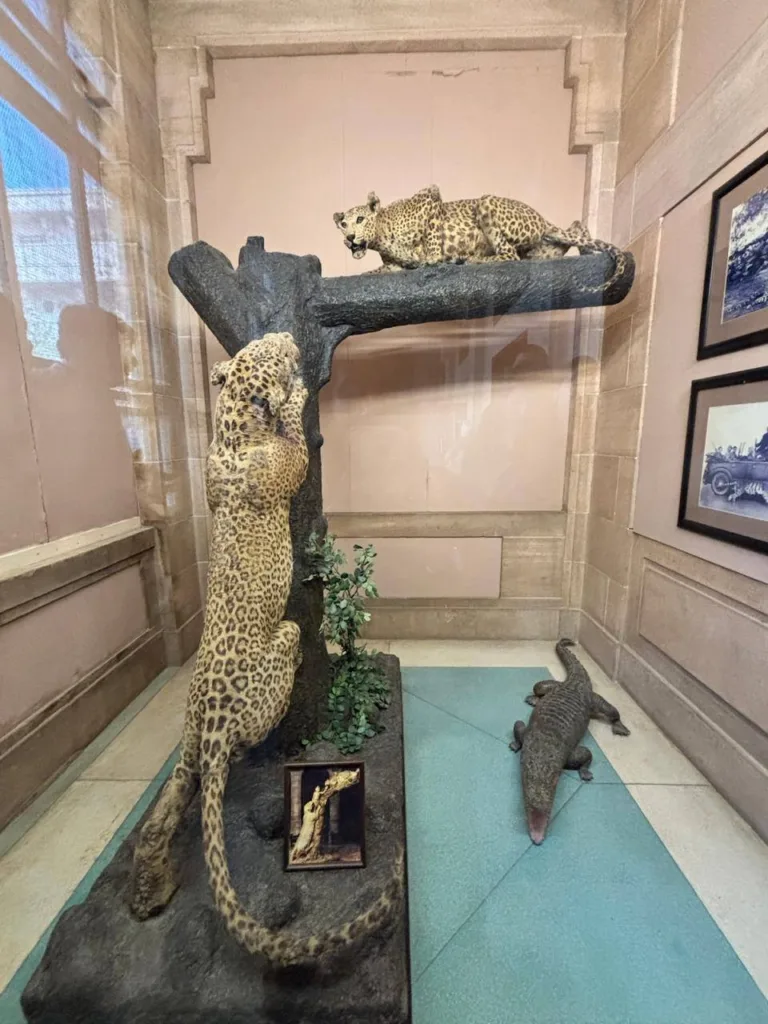
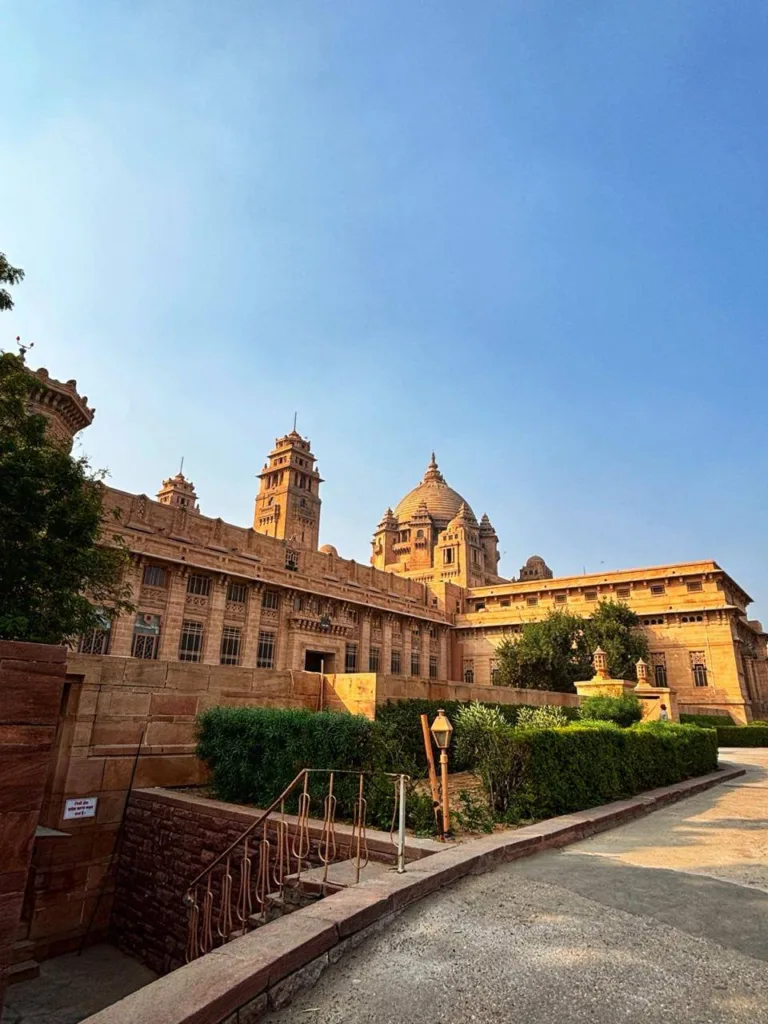
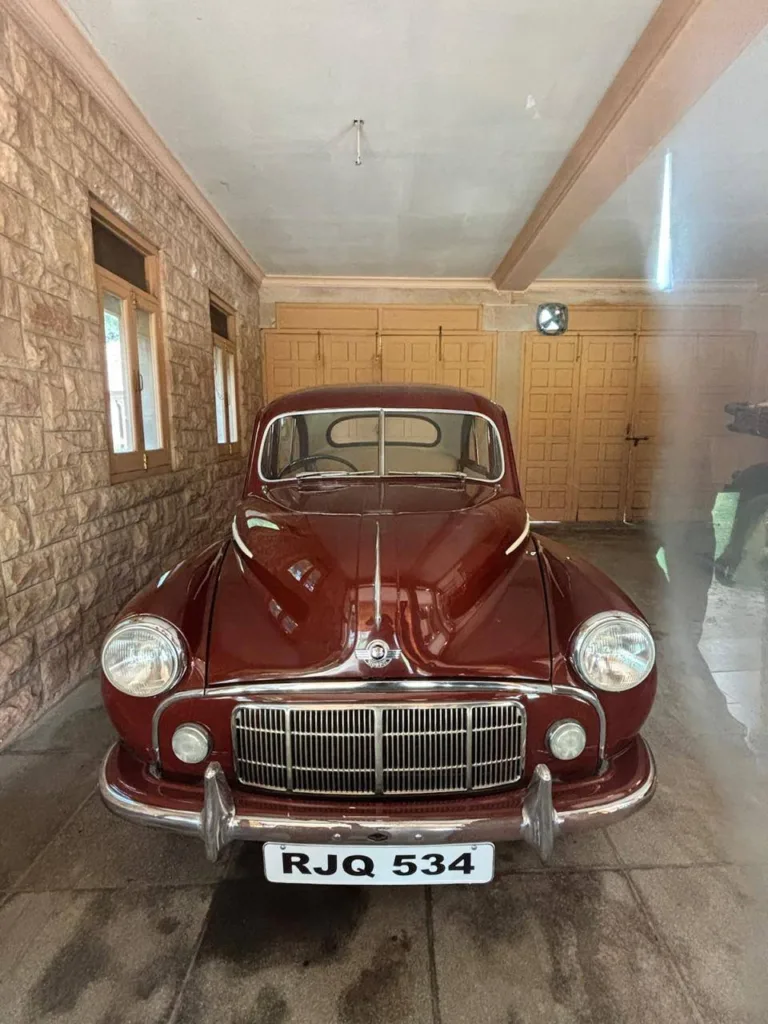
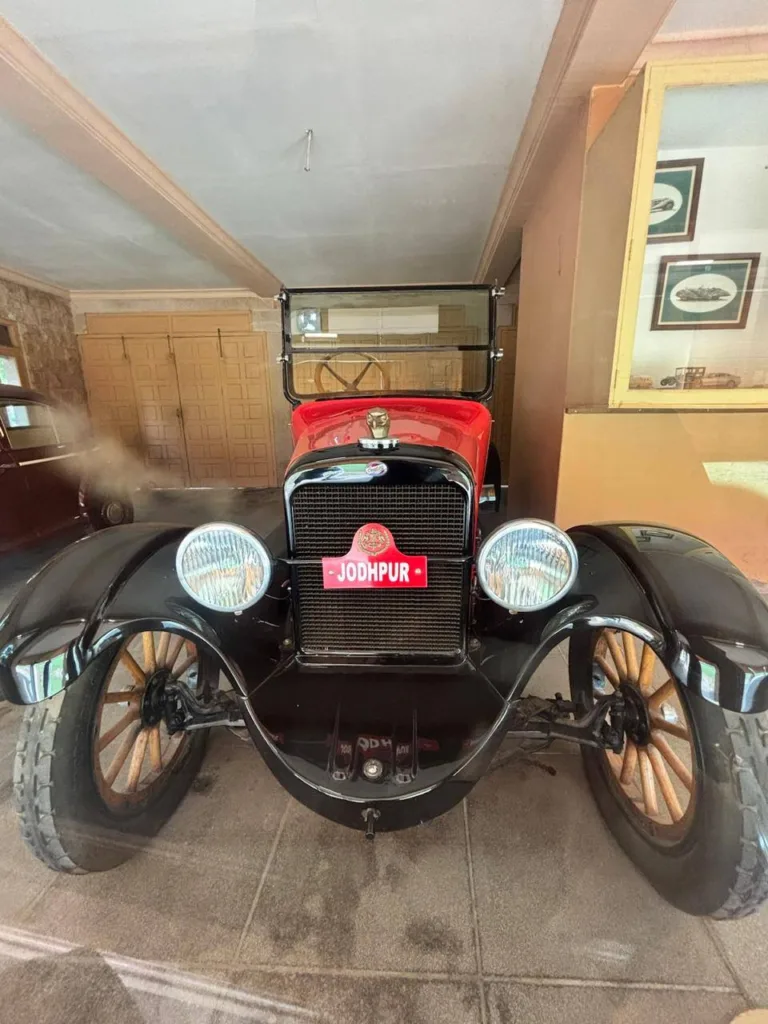
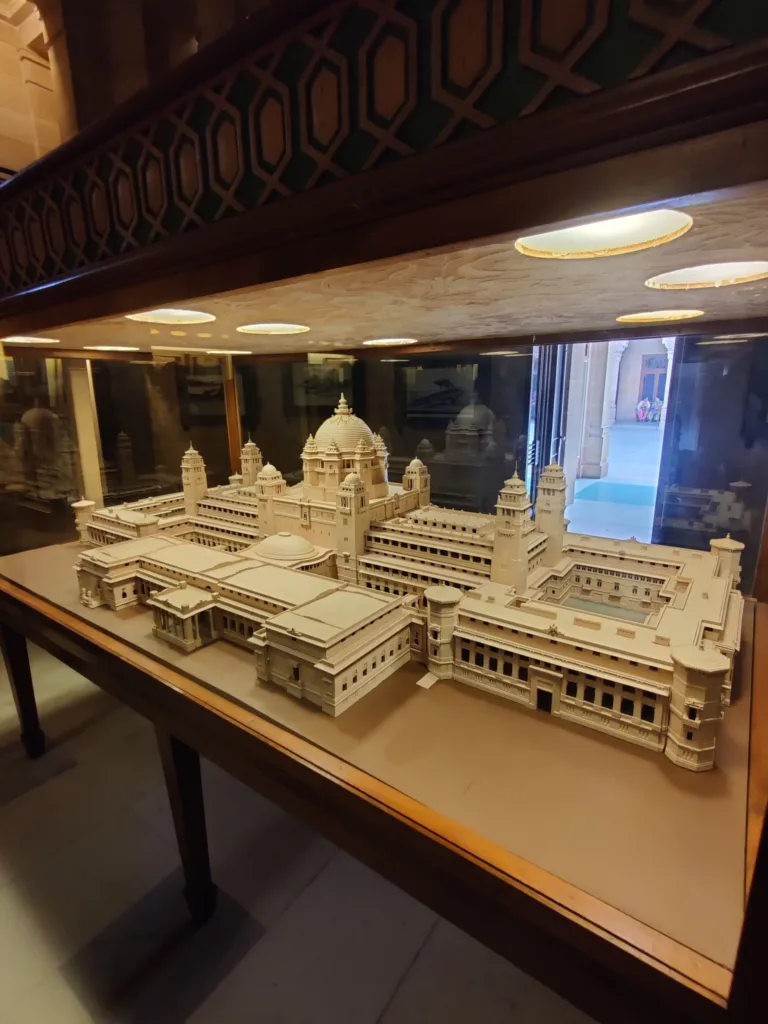
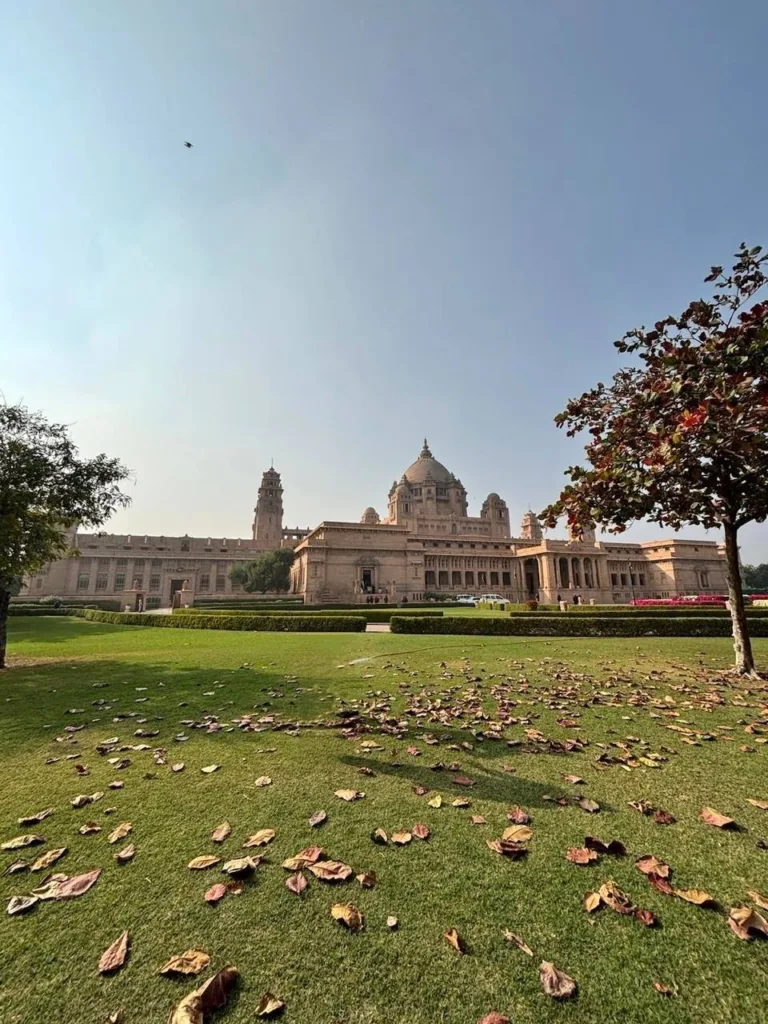
This enormous palace was commissioned in the 1920s by Maharaja Umaid Singh — not out of vanity, but to provide employment during a devastating famine. Today parts of it are a Taj hotel, but the museum section is open to visitors and completely worth it: vintage Rolls-Royces, royal portraits, and a fascinating look at a dynasty that shaped modern Jodhpur.
Toorji Ka Jhalra (The Stepwell)
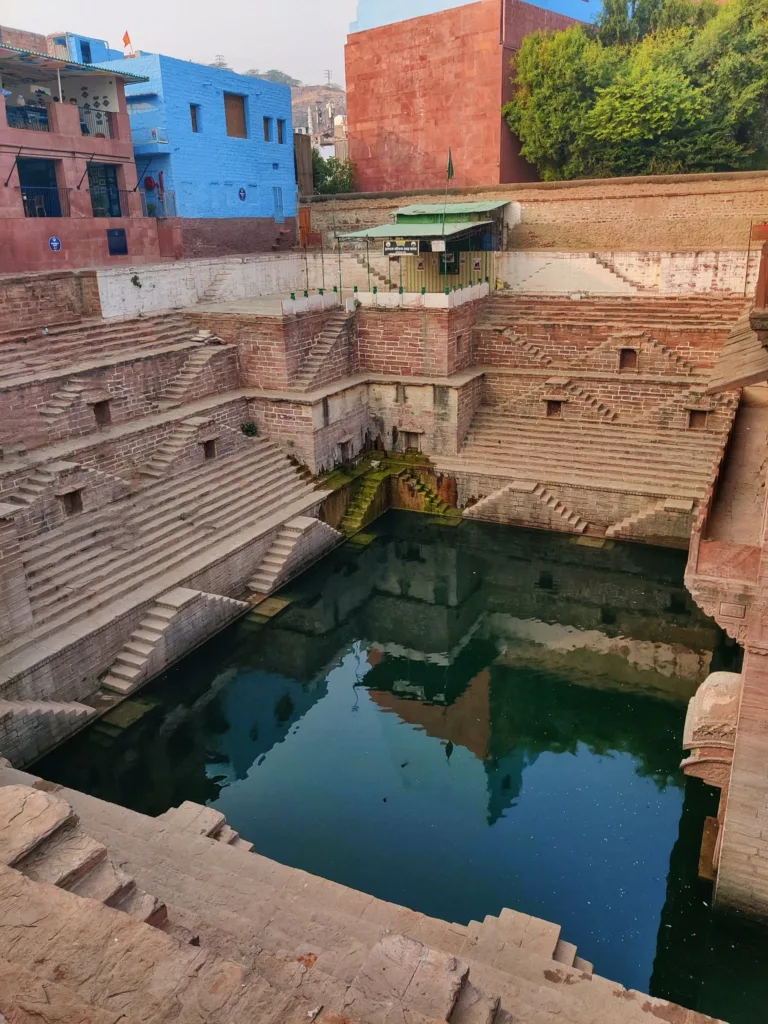
Hidden in the backstreets of the old city, this 18th-century stepwell was built by Maharani Toorji, queen of Maharaja Abhay Singh. Beautifully restored, it’s now a spot where locals still swim and tourists marvel at the geometric carvings descending into the water. Entry is free, and it’s one of those places that feels completely unperformed — real life happening around something ancient.
Wandering the Blue Lanes
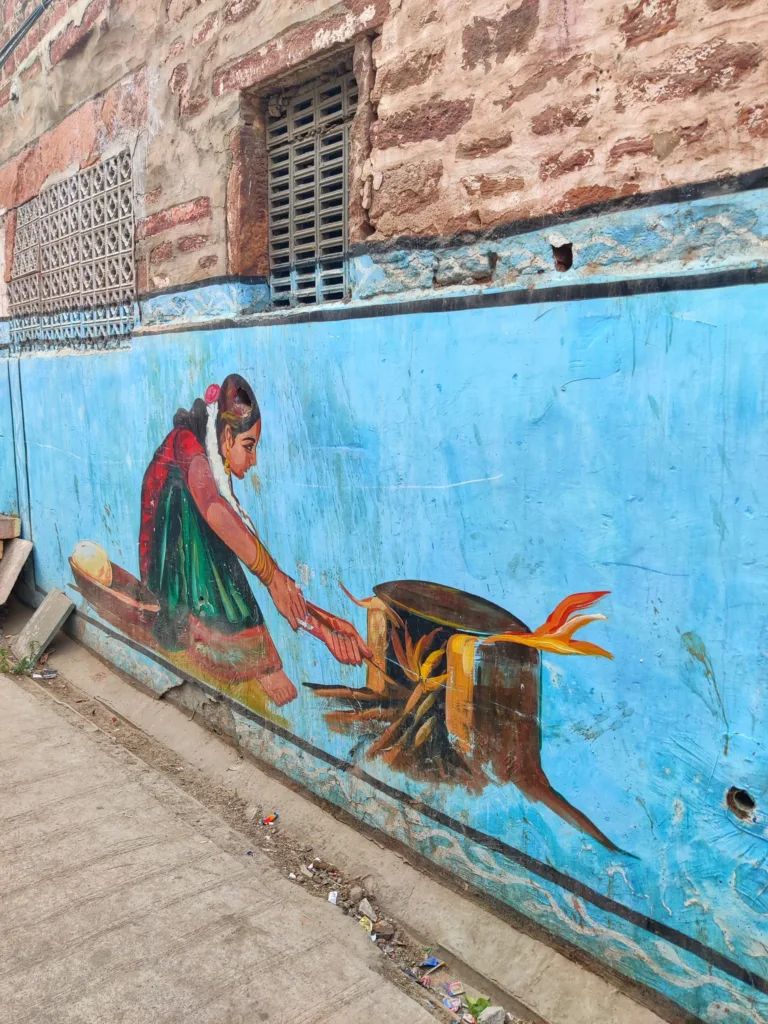
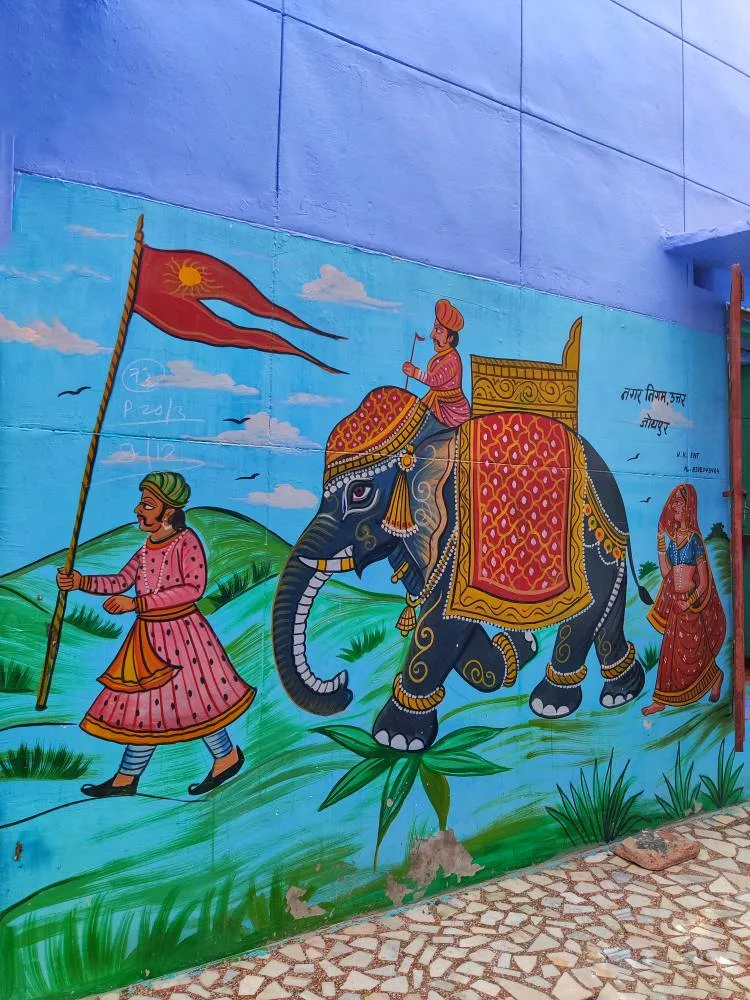
No itinerary can fully capture the old town’s lanes. We drifted through Navchowkiya and up towards Pachetia Hill with no fixed plan and stumbled into chai stops, a small temple tucked behind a gate, and more blue walls than we could count. If you have time for nothing else in Jodhpur’s old town, just walk.
Mandore Garden
Before Jodhpur, Mandore was the seat of power for the Marwar rulers. The garden here is dotted with their cenotaphs and a wonderfully strange “temple of 33 crore gods” made of folk sculpture. Langur monkeys roam freely and have no concept of personal space. Entry is free, and it’s a great half-morning outing on the scooty.
Jaisalmer: The Golden City
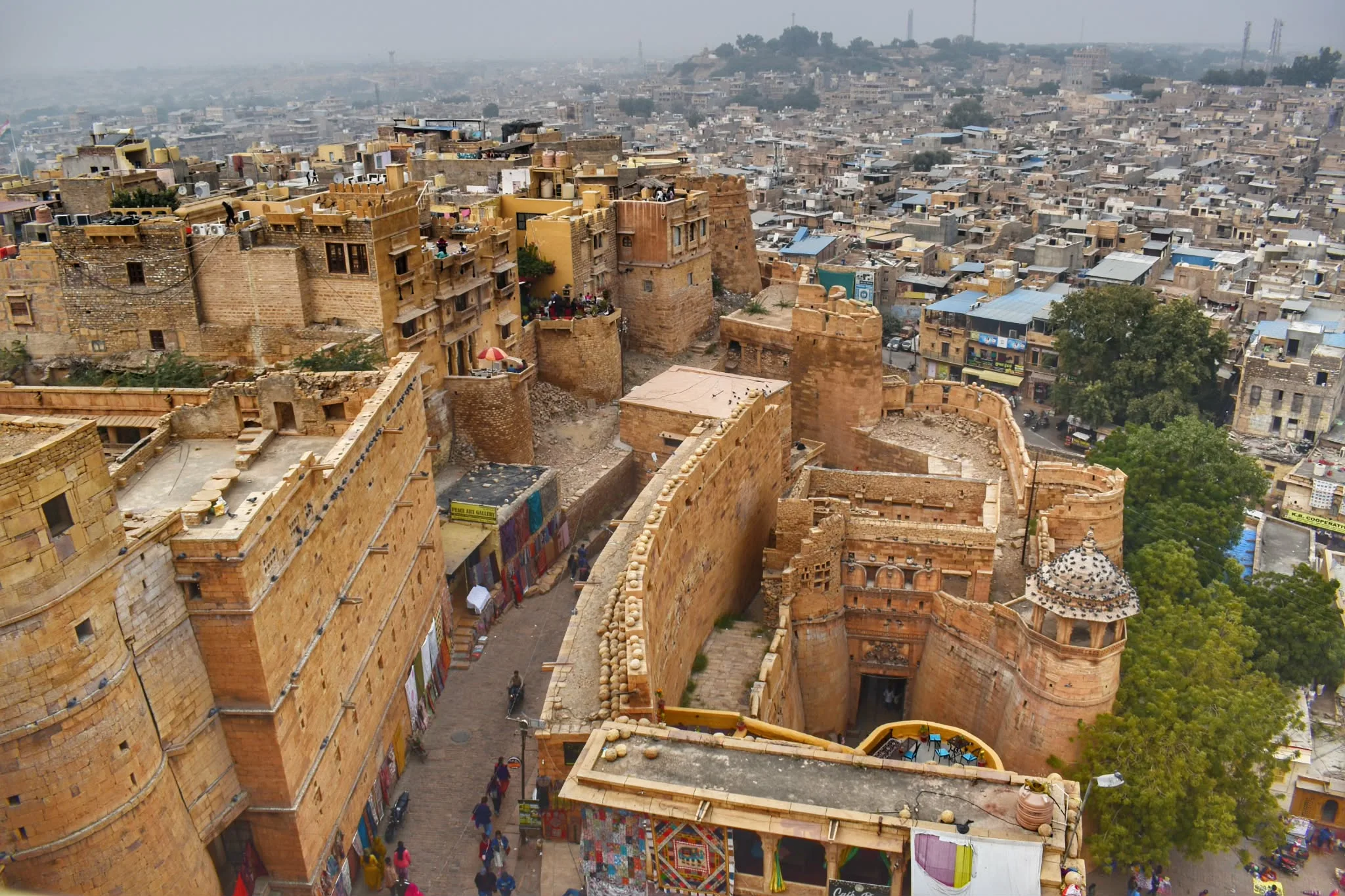
The train from Jodhpur drops you into a different world. Jaisalmer rises out of the flat Thar Desert like something conjured — a honey-coloured city built almost entirely from the same yellow sandstone, glowing in the afternoon sun. The pace is slower, the evenings are spectacular, and the sense of being genuinely far from everywhere is real.
We moved around Jaisalmer by auto-rickshaw for most city sightseeing — easy to find, easy to negotiate — and hired a car for one full day to reach the desert landmarks near the Pakistan border.
Jaisalmer Fort
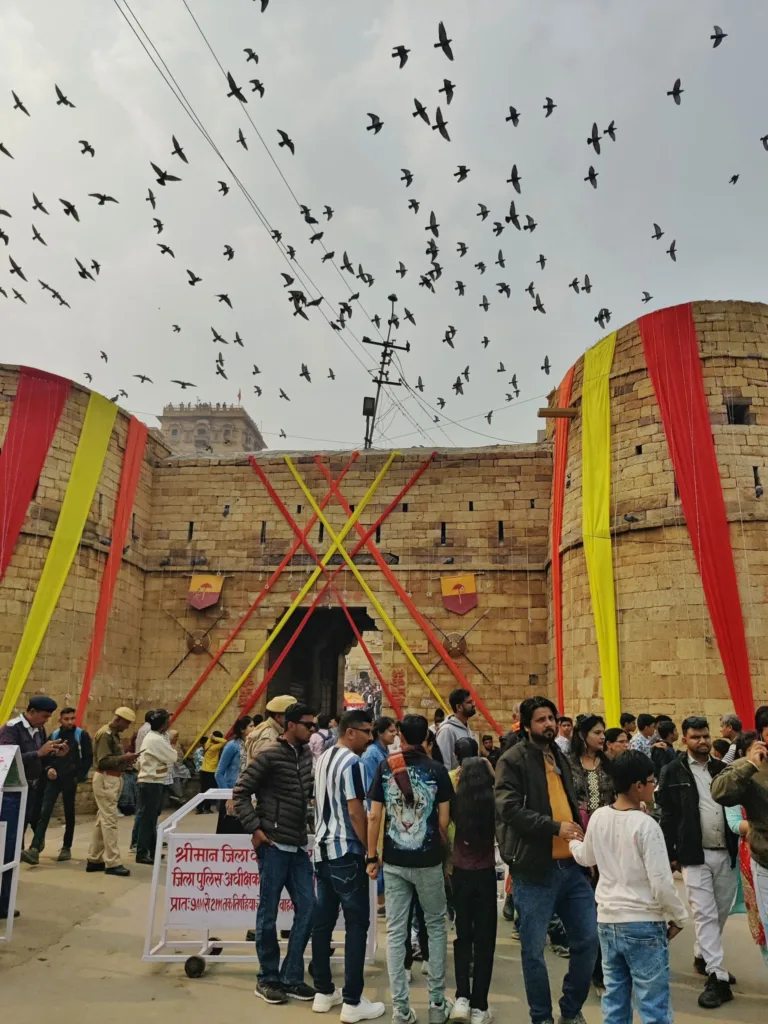
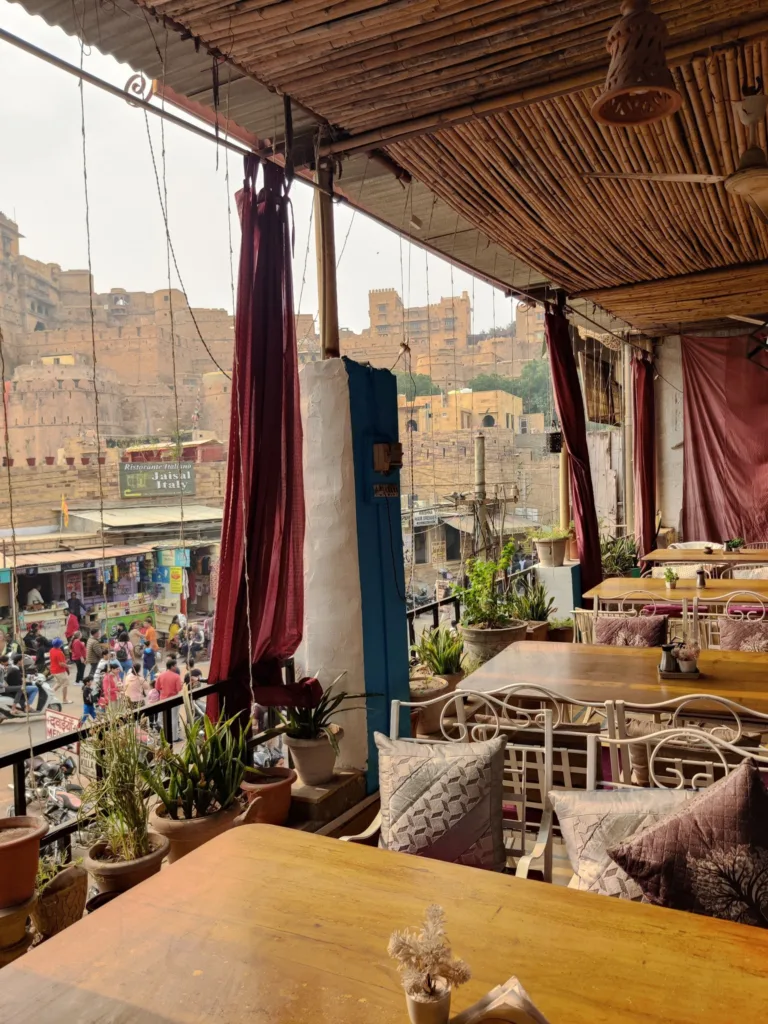
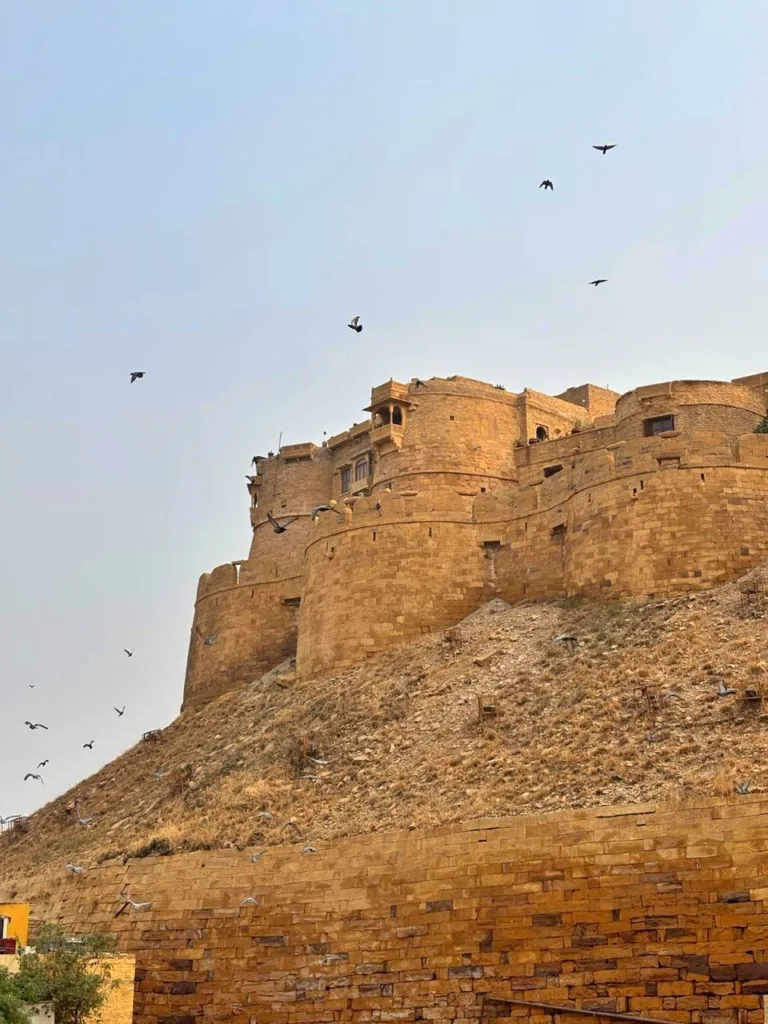
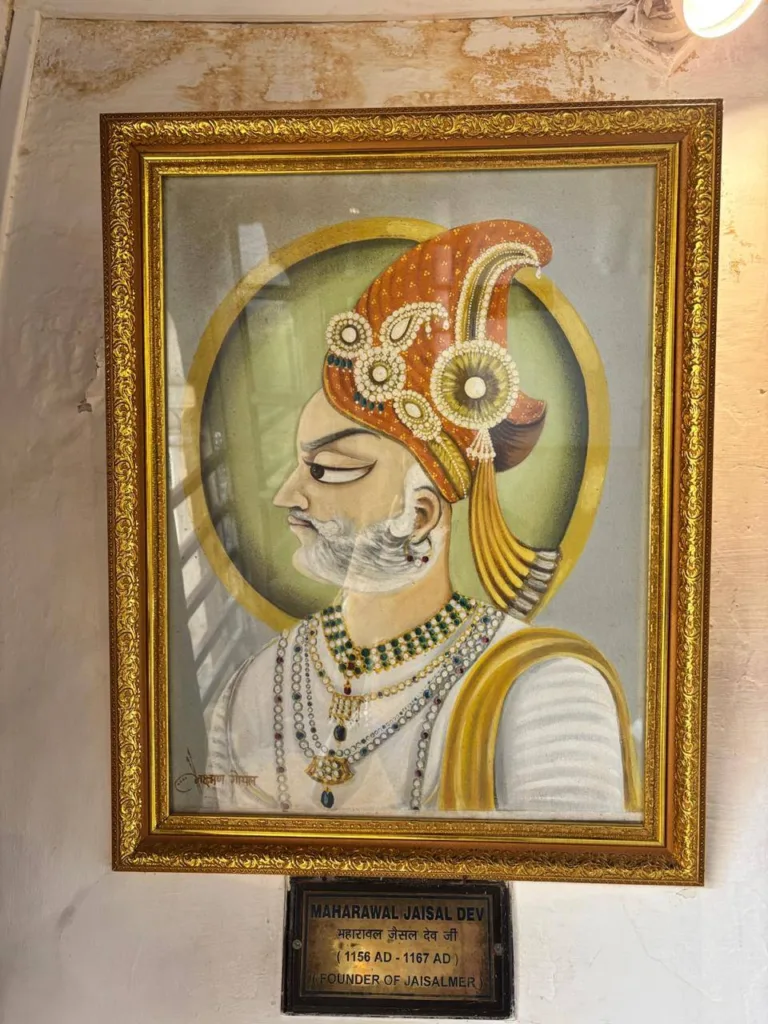
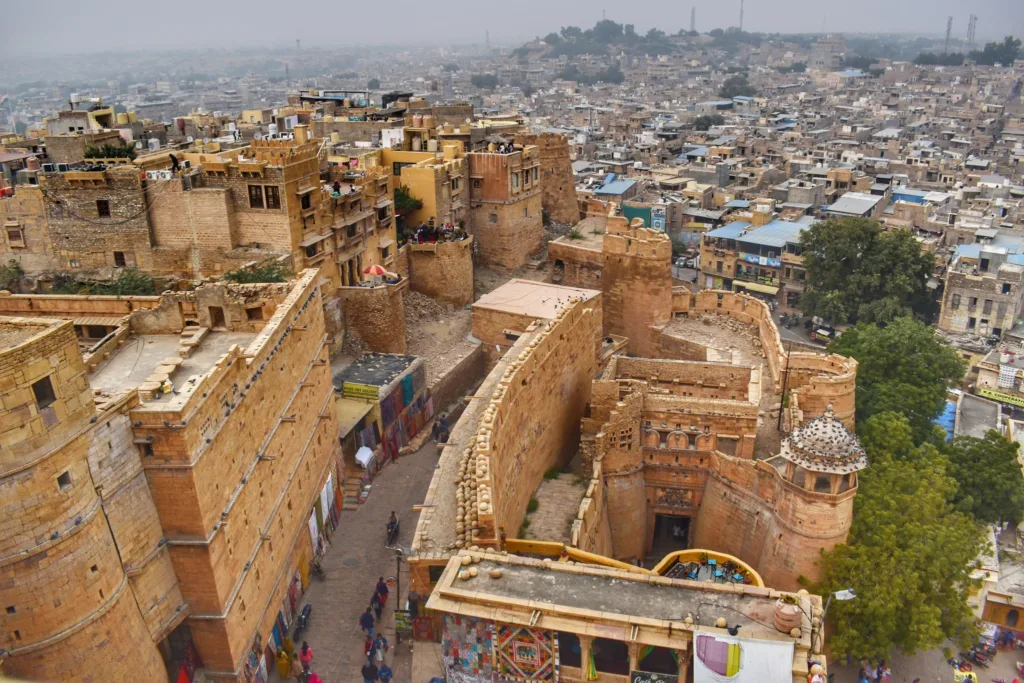
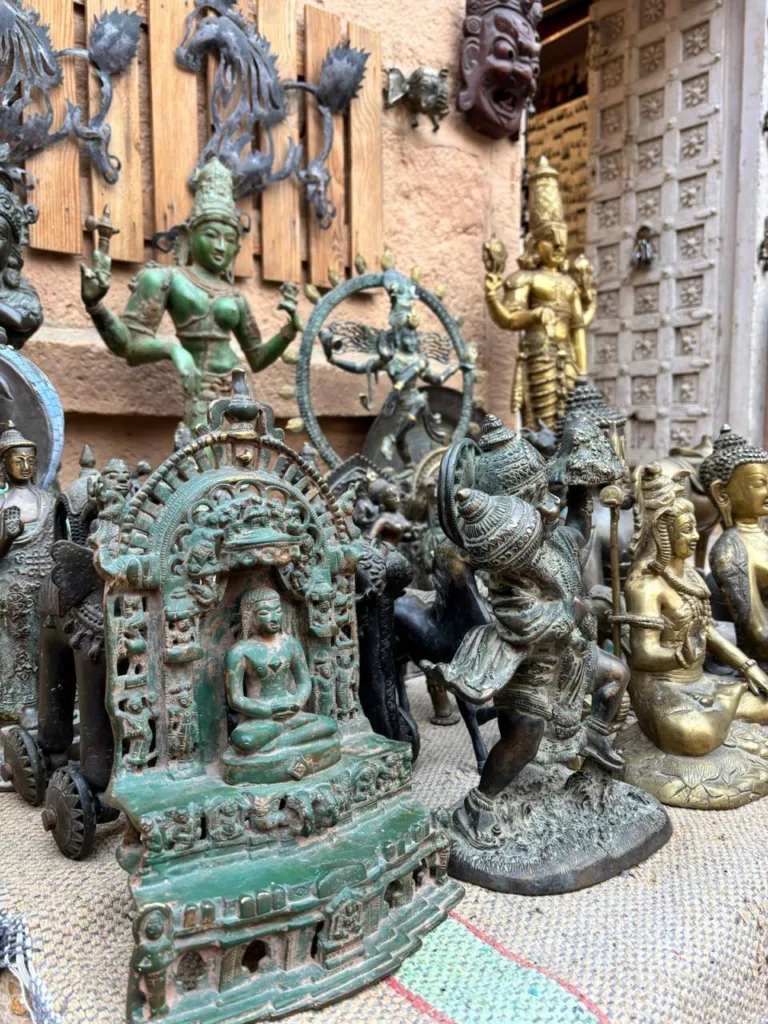
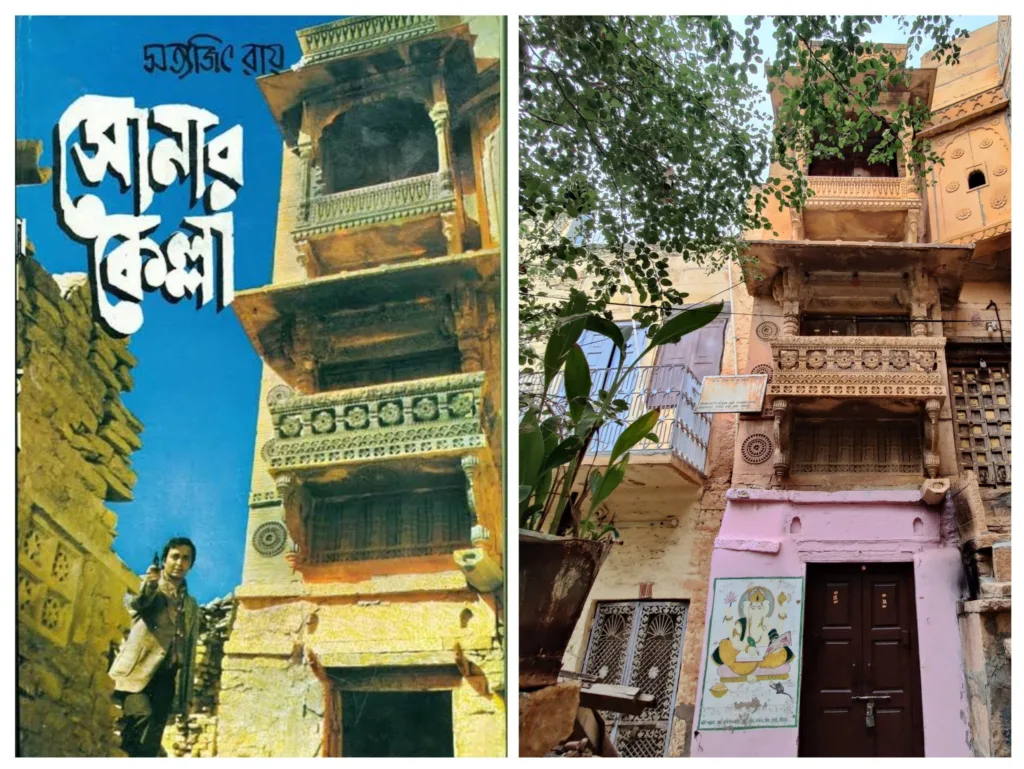
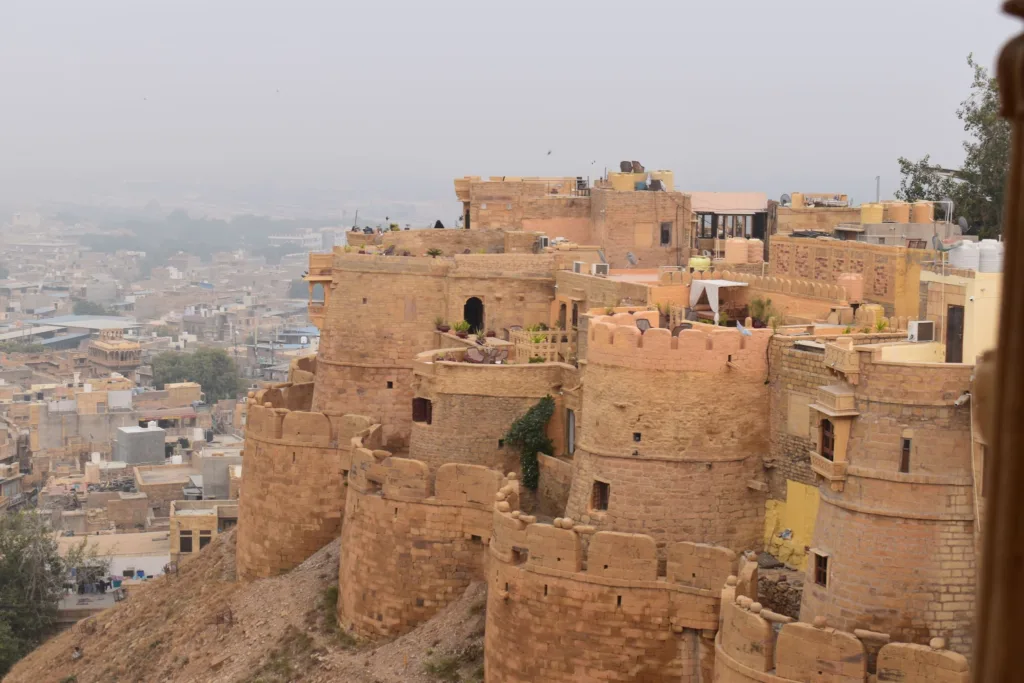
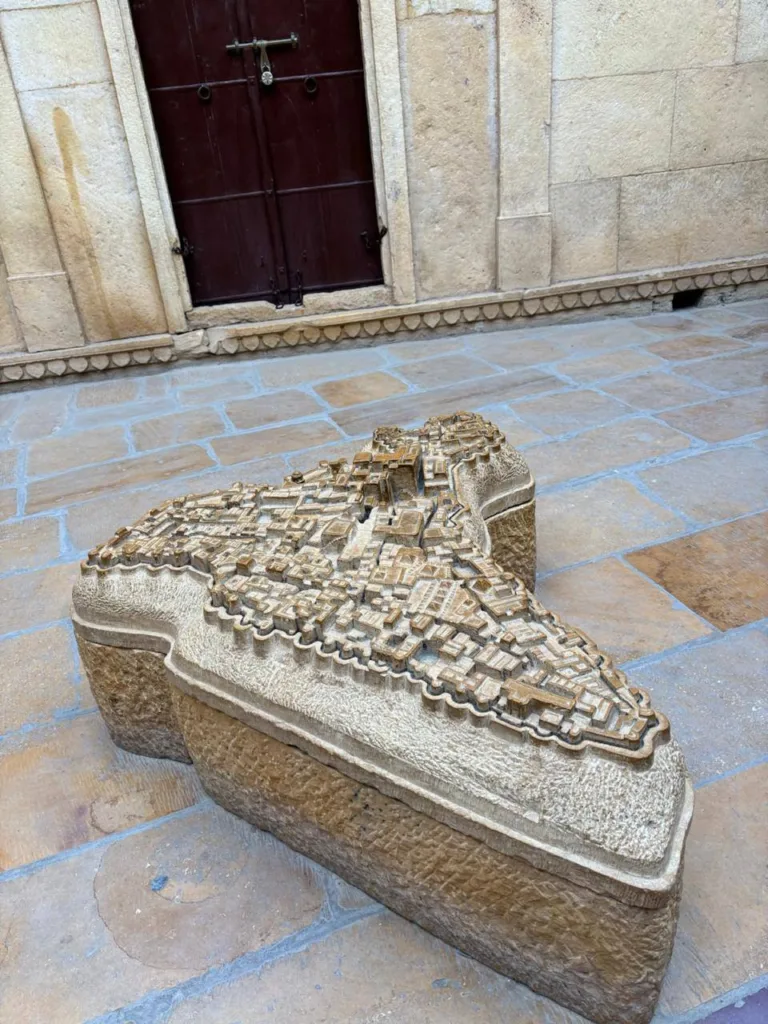
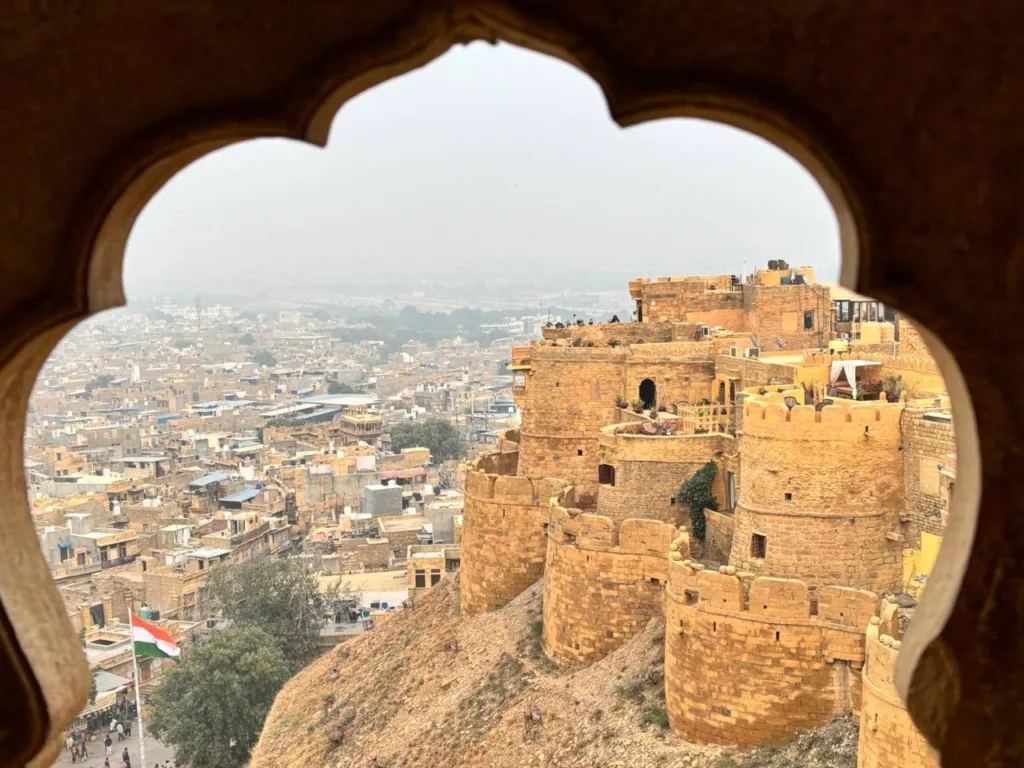
Built in 1156 AD by Rawal Jaisal on Trikuta Hill, Jaisalmer Fort is one of the world’s last “living forts” — around 3,000 people still live inside its walls. The winding lanes inside contain homes, Jain temples (which are extraordinary — don’t skip them), small guesthouses, rooftop cafes with desert views, and a general sense that history here has never stopped moving. Entry to the fort is free; the Jain temples inside have a small ticket fee.
Patwon Ki Haveli
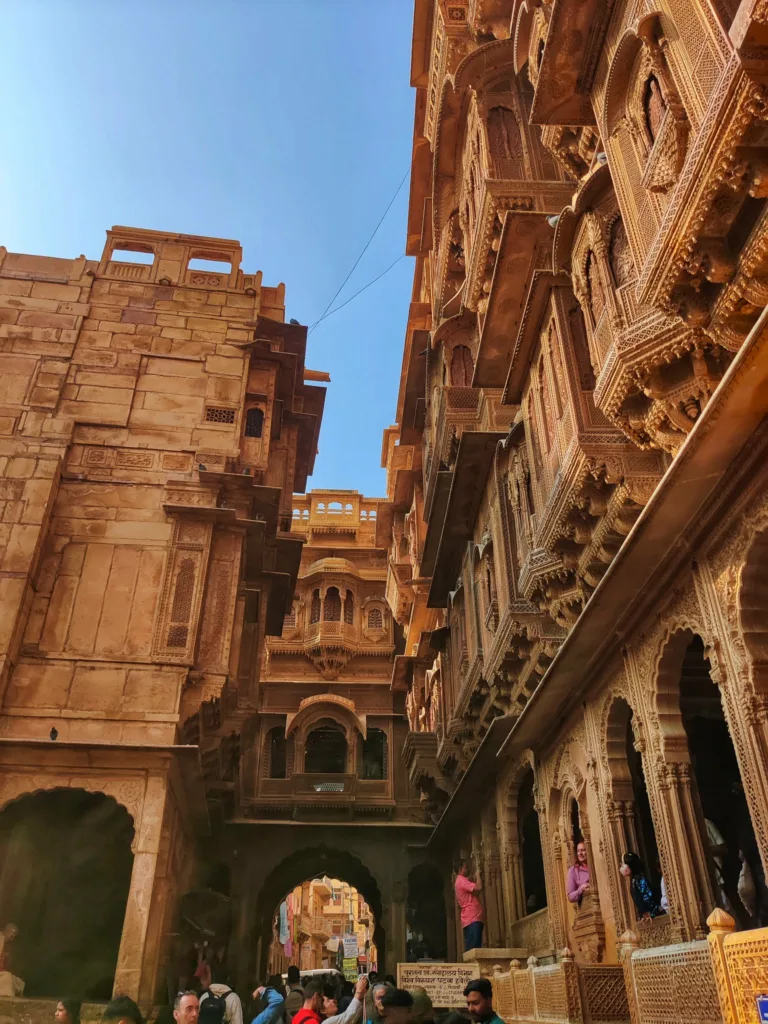
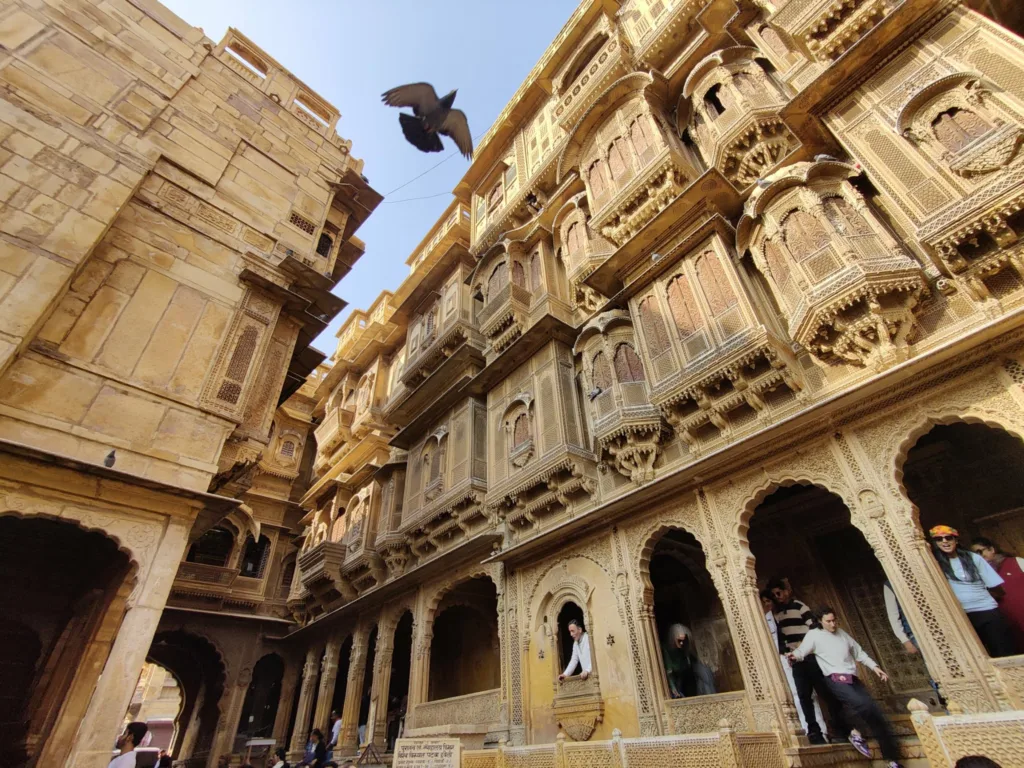
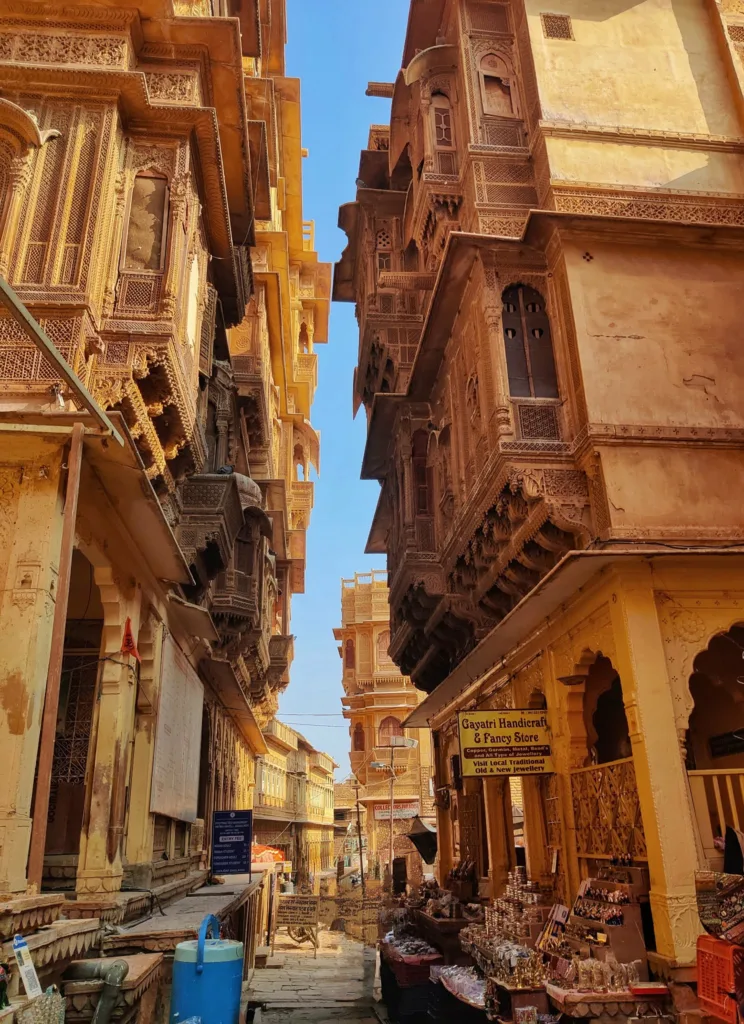
This cluster of five connected havelis was built in the early 19th century by a wealthy Jain merchant family. The sandstone carvings on the facades are almost absurdly detailed — every surface worked into lattices, floral patterns, and miniature scenes. Plan a slow hour here if you’re the kind of person who actually looks at things.
Gadisar Lake
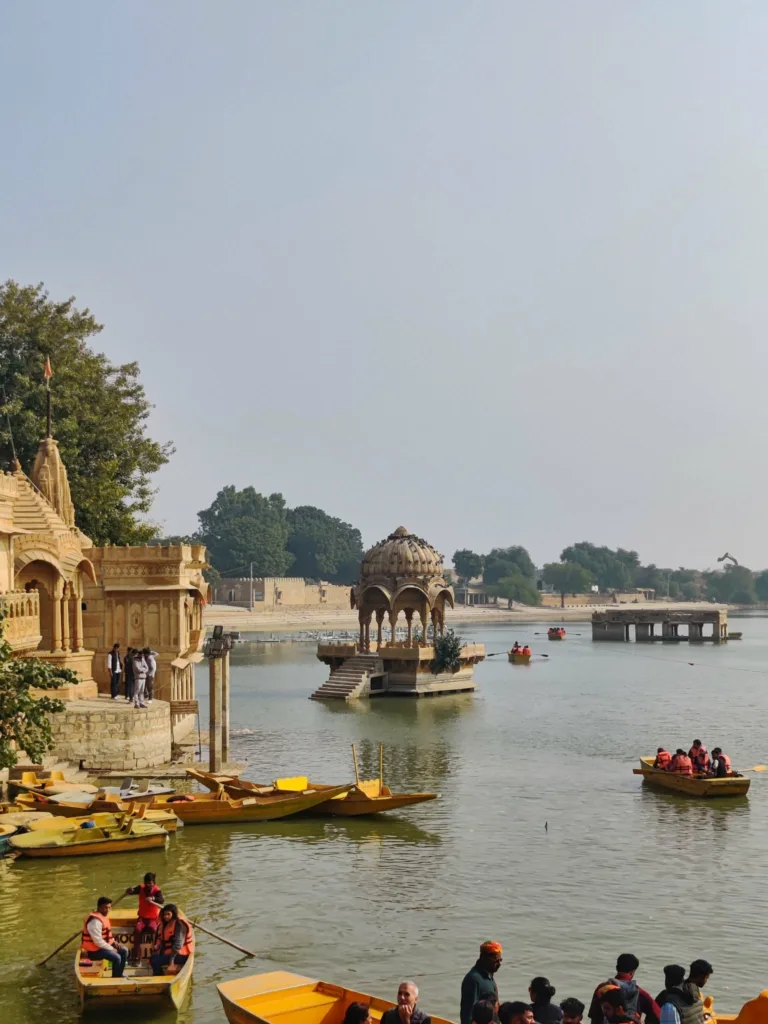
Built in the 14th century by Maharaja Gadsi Singh as the city’s water reservoir, Gadisar Lake is now a peaceful spot ringed by ghats, temples, and ornate gateways. We hired a small rowing boat and caught the sunset from the water. The light over the lake at that hour — golden city reflecting in golden water — is something you’ll describe to people for a long time.
Jaisalmer War Museum
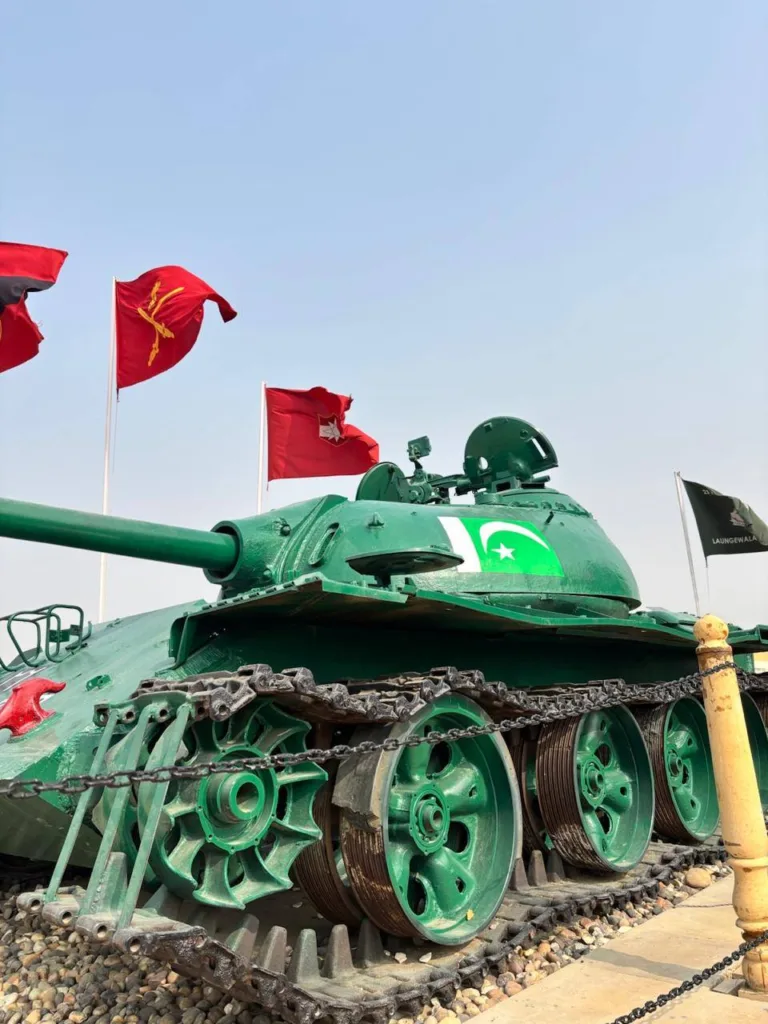
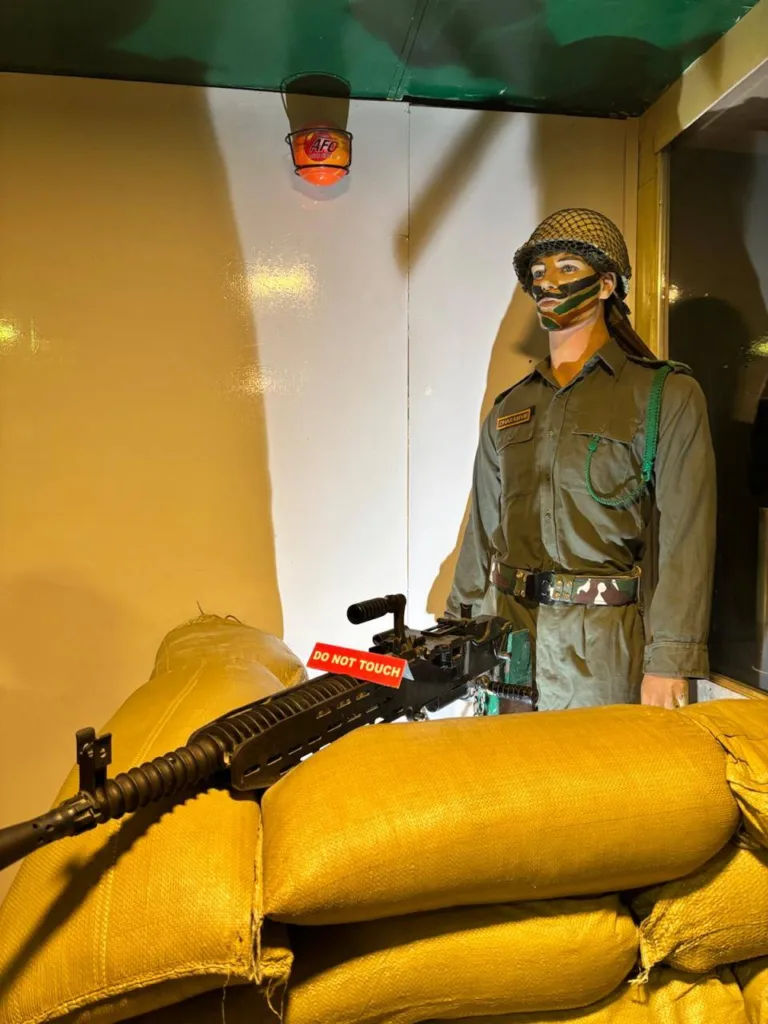
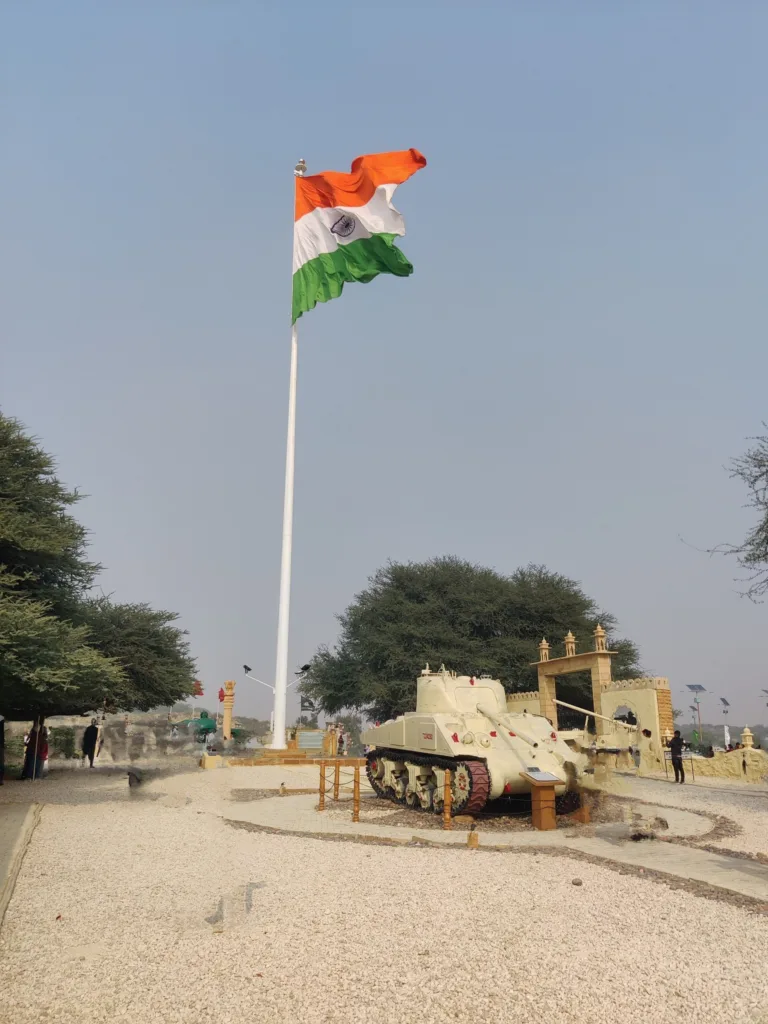
Located near the Sam road, this well-maintained museum covers the 1965 and 1971 Indo-Pakistani wars with an outdoor display of tanks, fighter jets, and artillery. It’s newer and more structured than Longewala, providing excellent context before the desert drive.
The Desert Day Trip: Longewala & Tanot Mata Mandir
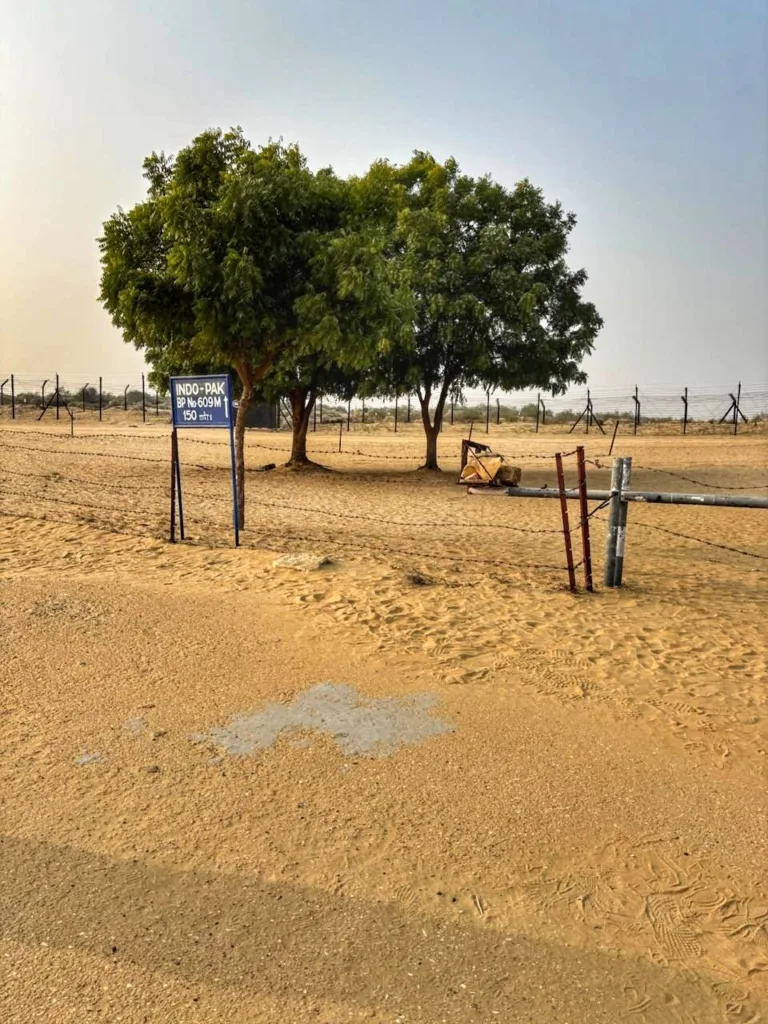
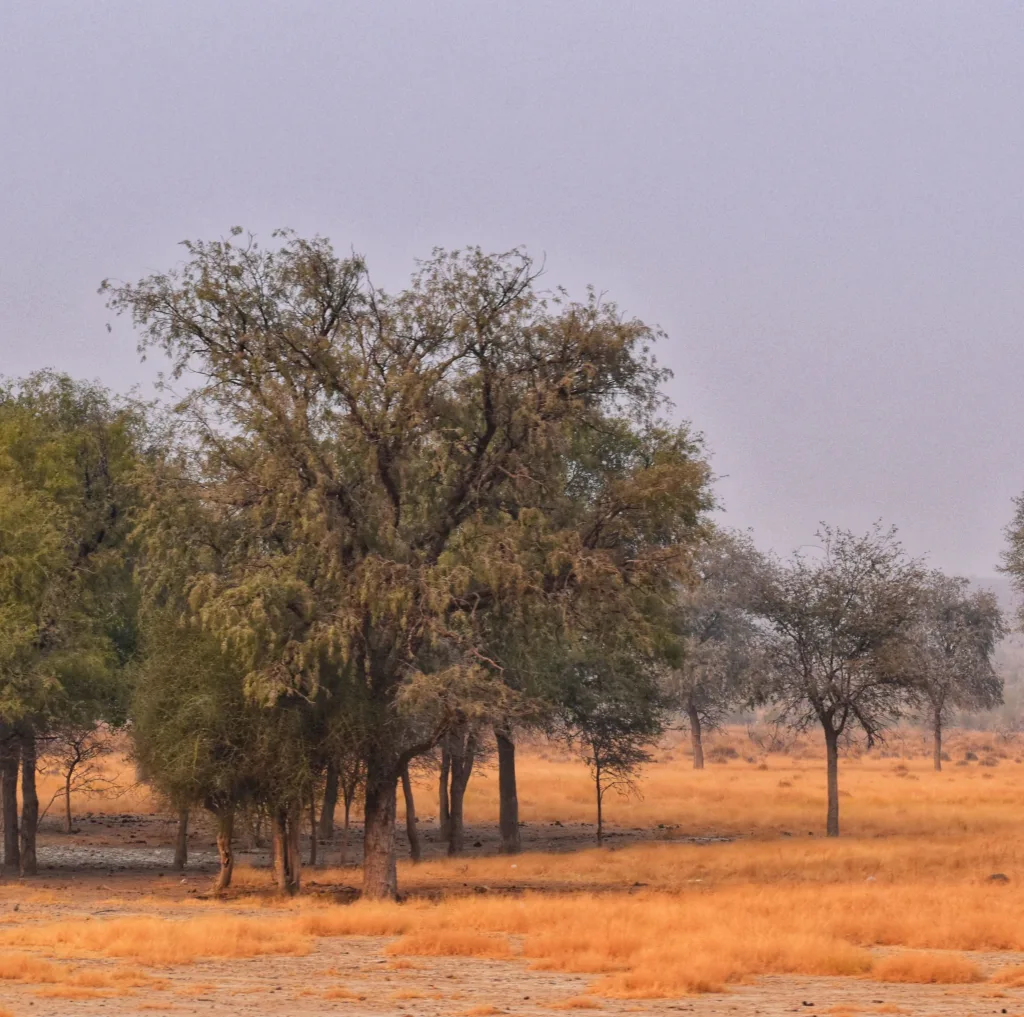
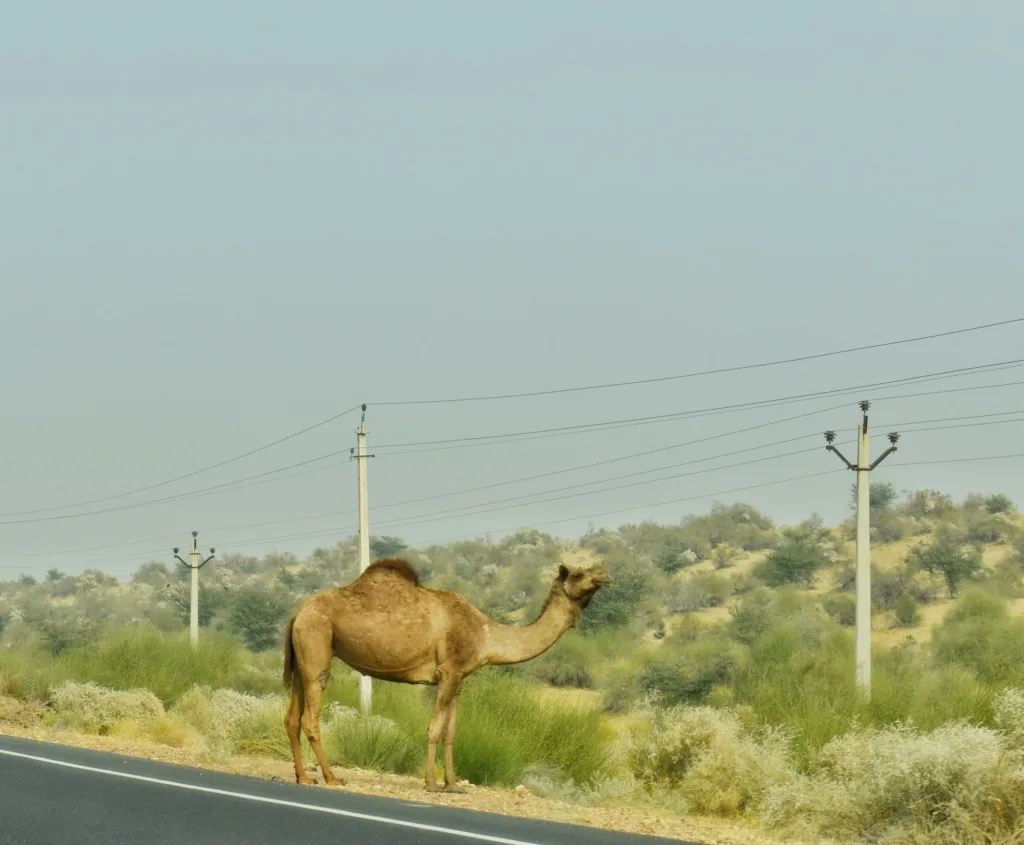
This was our most memorable day in Jaisalmer. We hired a car for the day and drove out towards the Pakistan border through some of the emptiest landscape either of us had ever seen.
Tanot Mata Mandir, about 120 km from Jaisalmer, carries a remarkable wartime story: during the 1971 war, Pakistani shells reportedly landed in the temple compound but failed to detonate. It’s now managed by the BSF and is a deeply significant pilgrimage site. The drive alone, through that vast silence, is worth the trip.
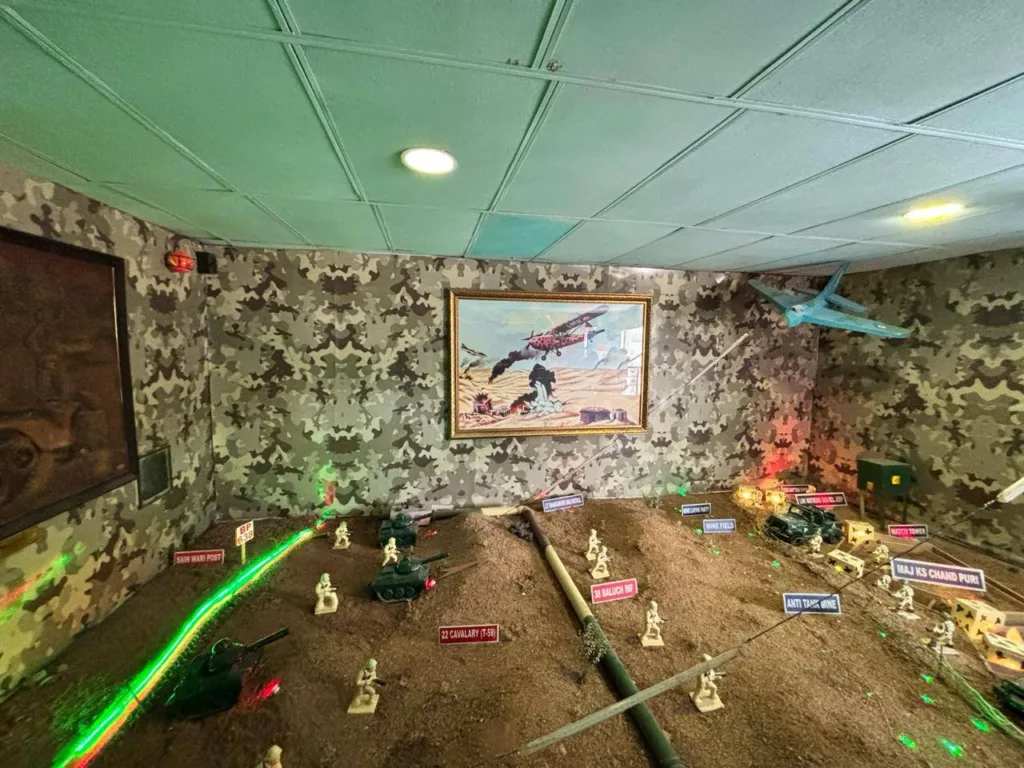
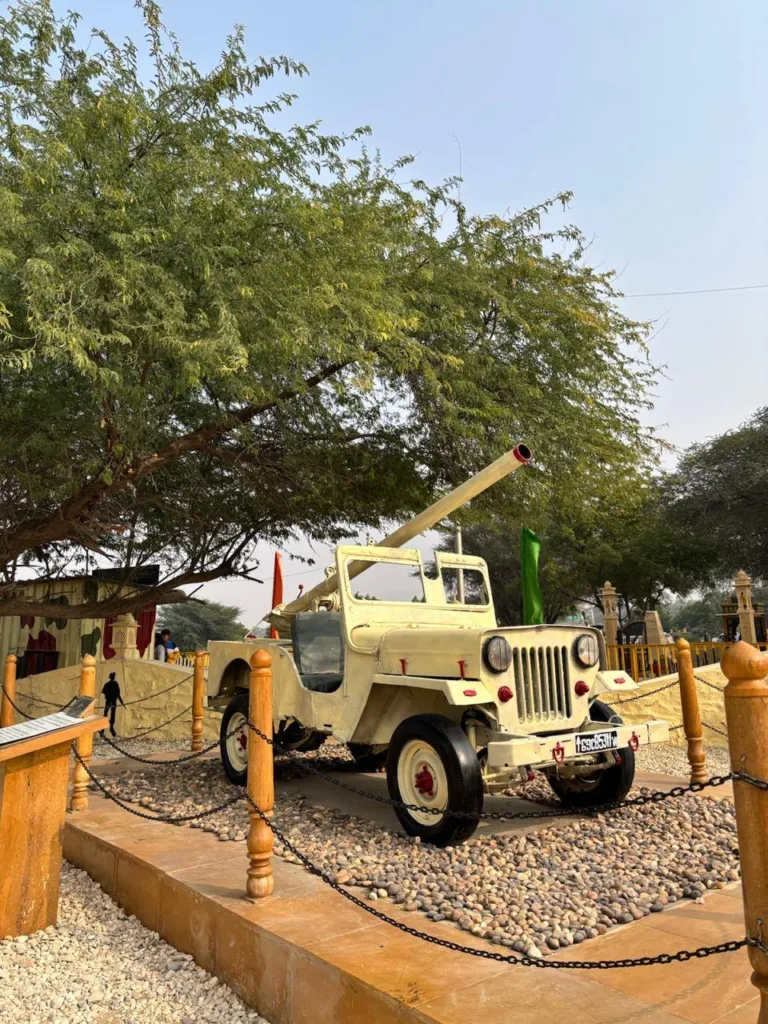
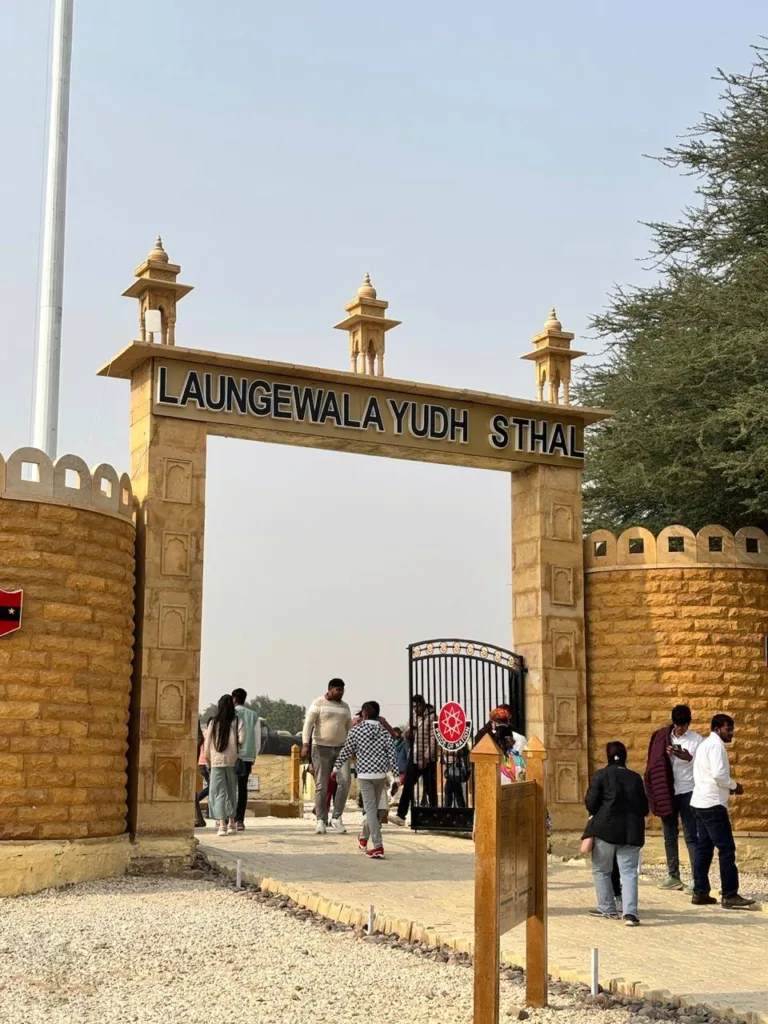
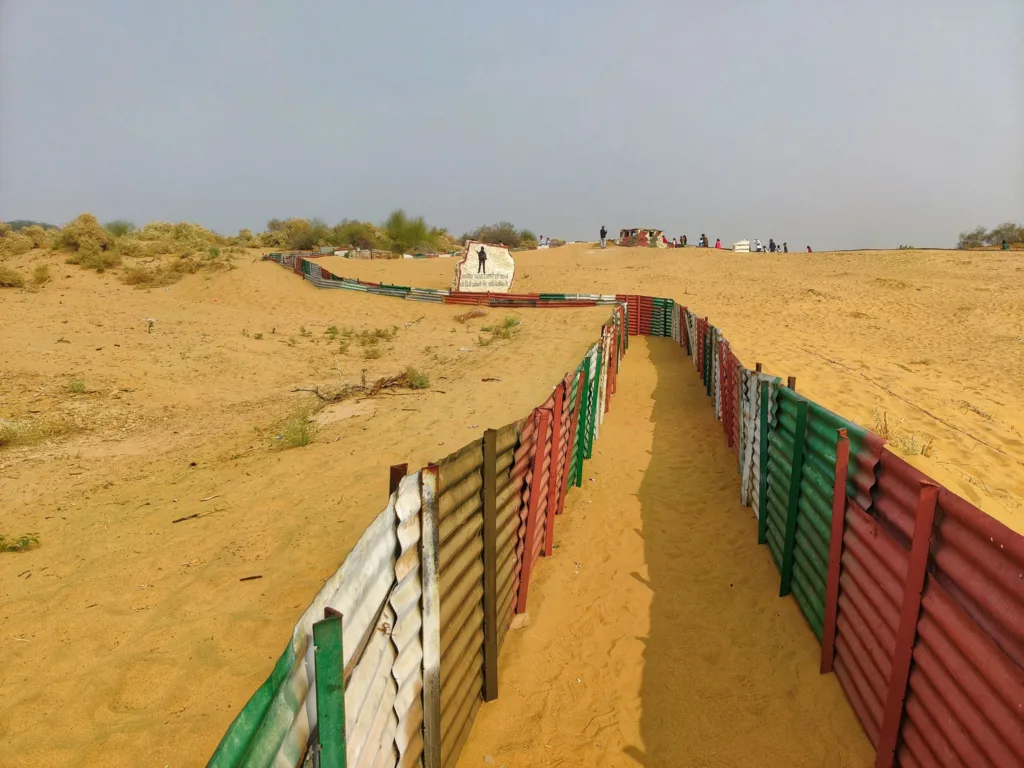
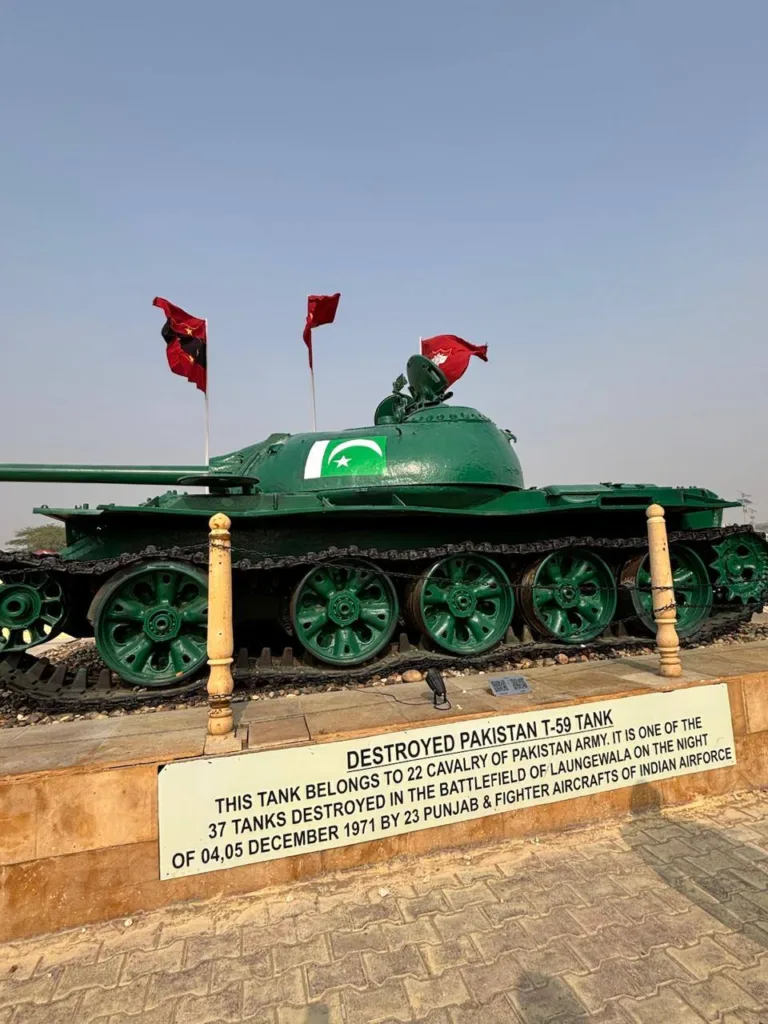
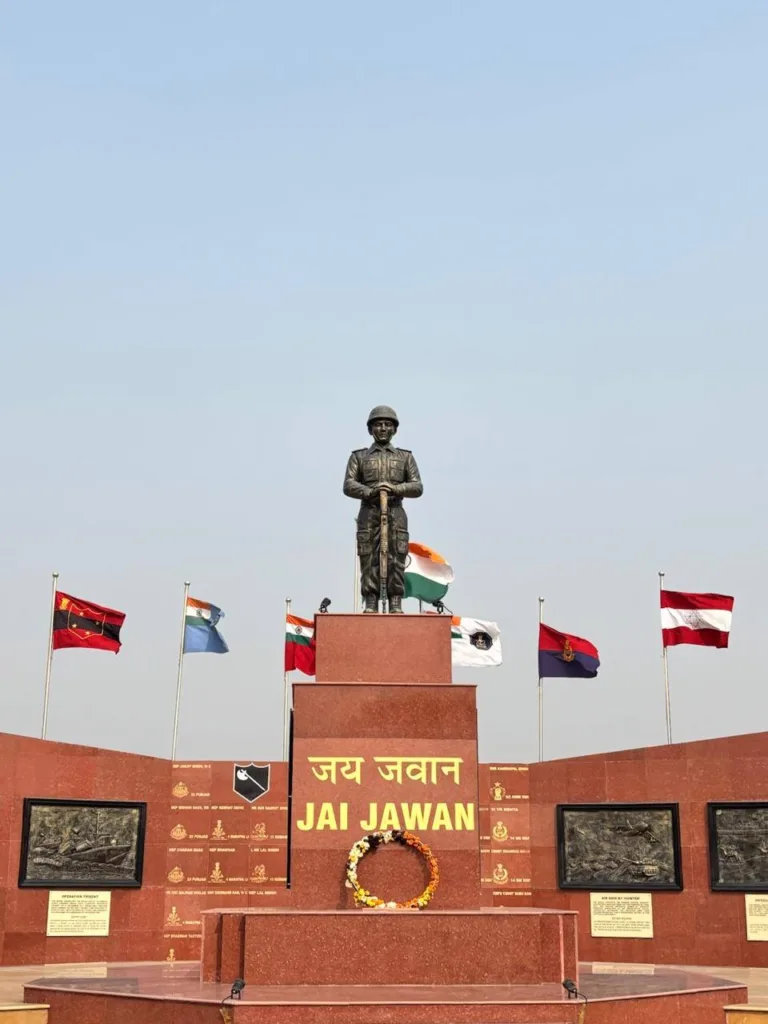
From Tanot we headed to the Longewala War Memorial, which commemorates the 1971 battle where around 120 Indian soldiers held off a Pakistani armoured column of nearly 2,000 troops through the night until the Air Force arrived at dawn. The Pakistani tanks are still sitting in the sand where they were stopped. Standing there, reading the names, is quietly humbling in a way that’s hard to put into words.
Budget: What This Trip Actually Costs
We did this trip as two people in December and spent roughly ₹10,000–₹15,000 per person across five days — covering trains, accommodation, all sightseeing, local transport, and food. The biggest saving was renting a scooty in Jodhpur (₹400–₹500/day covers everything including petrol) rather than booking autos or tours. In Jaisalmer, autos handle city sightseeing cheaply, and hired car for the desert day trip keeps it very manageable. Trains between cities are inexpensive if booked in advance — the total train cost for Delhi–Jodhpur–Jaisalmer–Delhi comes to roughly ₹1,500–₹2,500 per person depending on class. Eat thalis at local places, stay in guesthouses in the old towns, and this trip is very comfortably doable without spending big.
Approximate spend · 2 people · 5 days · Budget style
- Trains (all legs)₹1,500–₹2,500 / person
- Scooty rental, Jodhpur₹400–₹500 / day
- Autos, Jaisalmer₹50–₹150 / ride
- Car hire, desert day₹2,500–₹3,500 total
- Accommodation₹600–₹1,200 / room/night
- Food (per day)₹350–₹600 / person
- Estimated total per person ₹10,000–₹15,000
Where We Stayed
We kept accommodation simple and location-focused — and honestly, that made all the difference. In both cities, being close to the main sights meant we spent less time commuting and more time actually exploring.
Jodhpur – Old Town, Clock Tower Area – At the foothills of Mehrangarh Fort, right in the heart of the old city. Busy, noisy, full of life — and perfect. The fort is walkable, the stepwell is around the corner, and Sardar Market is at your doorstep. Budget guesthouses here run ₹600–₹1,200 per night and many have rooftop views of the fort.
Jaisalmer – Near Jaisalmer Fort – We stayed just outside the fort walls — close enough to walk up in minutes, but without contributing to the water damage that’s slowly affecting the fort’s foundations. Guesthouses here have rooftop cafes with unobstructed fort views and cost roughly ₹700–₹1,500 per night.
Tip on location
In both cities, paying slightly more to stay in the old town is worth it. You save on transport, wake up to a completely different atmosphere than the newer parts of town, and the guesthouses tend to have more character — courtyards, stone walls, rooftop terraces. Book directly where possible for better rates.
What We Ate — And What You Absolutely Must Try
Rajasthani food deserves its own itinerary. We ate almost entirely at local spots — dhabas, street stalls, and small restaurants tucked into the old town lanes — and it was some of the best food either of us has had anywhere in India. Here’s what stood out.
Mirchi Vada — Jodhpur’s Signature Snack
If you eat one thing in Jodhpur, make it this. A thick green chilli stuffed with spiced potato filling, dipped in chickpea batter and deep fried until golden. The heat sneaks up on you. Every tea stall near the clock tower sells them fresh, and they cost almost nothing. We had them for breakfast twice and have zero regrets.
Street Snacks & Samosas
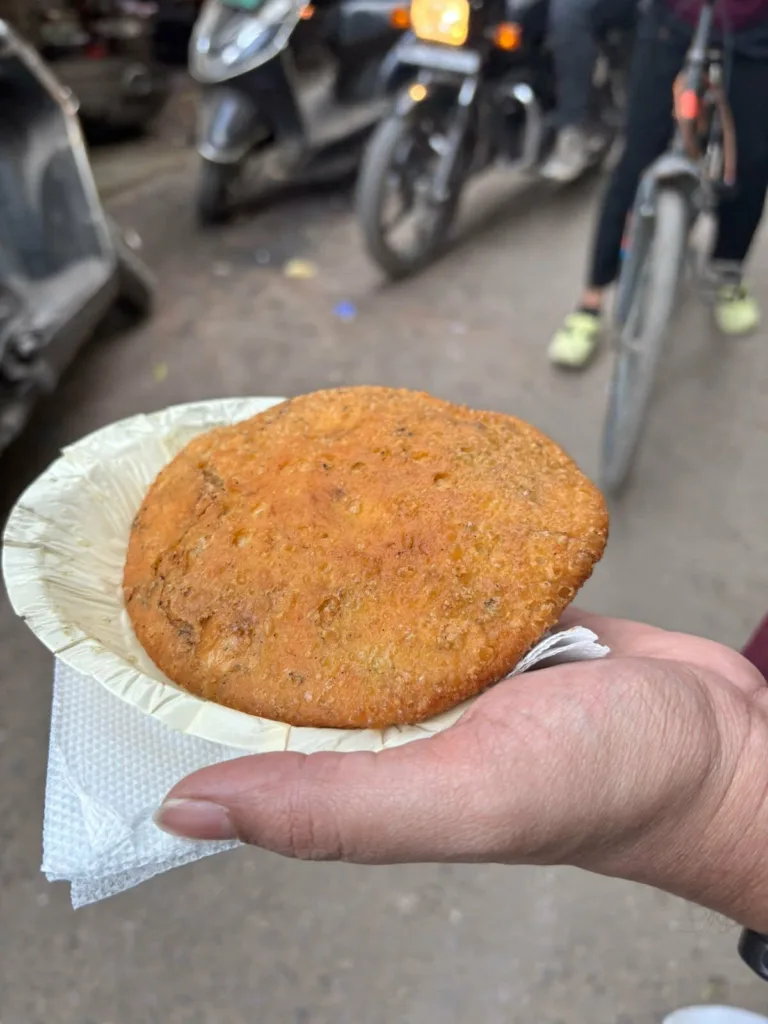
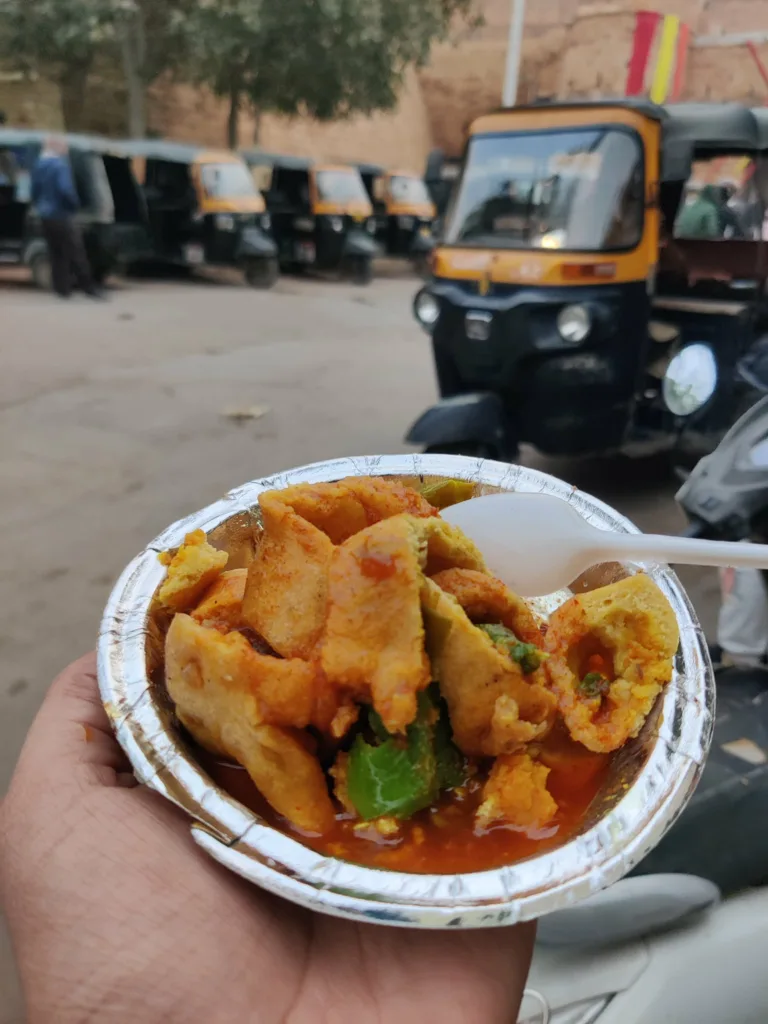
The lanes around Sardar Market in Jodhpur and the fort bazaar in Jaisalmer are lined with stalls selling pyaaz kachori, samosas, and various fried things we couldn’t identify but ate anyway. This is where you slow down, order something with chai, and just watch the city move around you. Budget ₹50–₹100 for a proper snack session and consider it well spent.
Laal Maas — The One Dish You Can’t Leave Without Trying
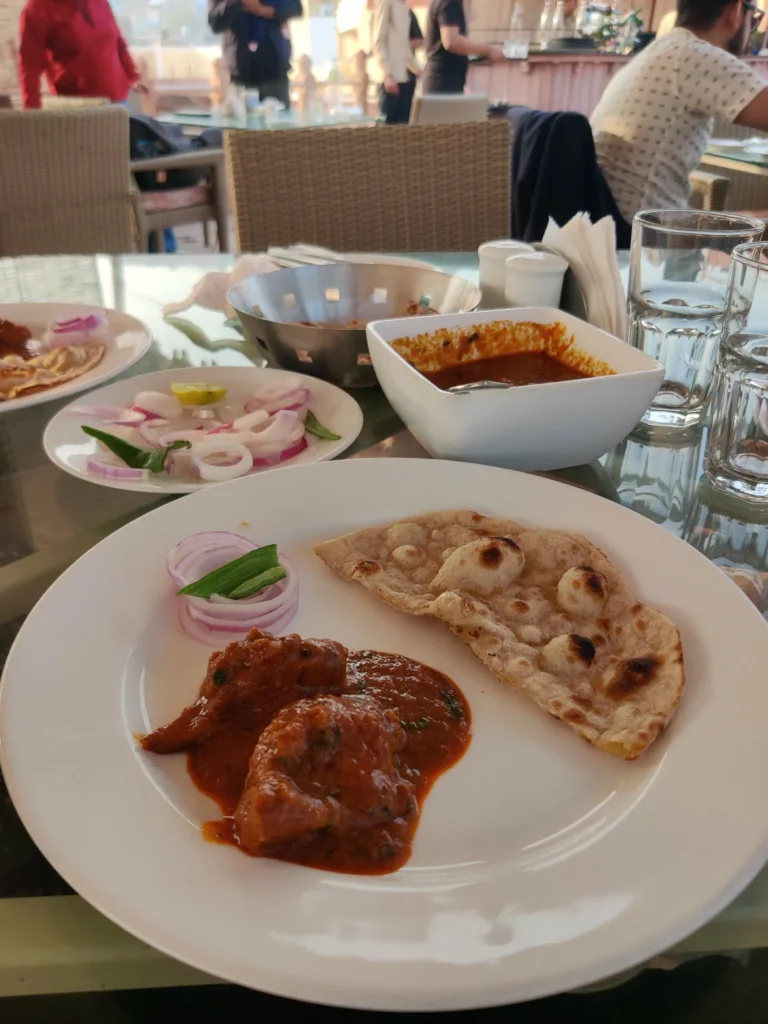
Laal maas is Rajasthan’s most iconic meat dish — a slow-cooked mutton curry made with dried mathania chillies that gives it a deep red colour and a heat that builds slowly and lingers long. It’s nothing like the generic “red curry” you might expect. Rich, smoky, complex, and best eaten with missi roti. We had it for dinner in Jaisalmer and it was genuinely one of the best things we ate on the entire trip. Most mid-range restaurants in the old town serve a good version; ask locals where they’d go rather than picking the first rooftop tourist menu you see.
How much does food cost?
Eating local keeps costs very low. Street snacks and chai will run you ₹50–₹100. A full thali lunch at a local place is ₹120–₹180. Dinner with laal maas at a decent sit-down restaurant is ₹250–₹400 per person. You can eat extremely well in Rajasthan for under ₹600 a day per person if you skip the tourist-facing rooftop menus.
A Few Practical Things Before You Go
- When to visit – October to February is ideal. December is lovely — cool days, cold nights (the Thar drops to 4–7°C after dark, so pack layers), and manageable crowds compared to peak festive season.
- How many days – Two full days in Jodhpur and two in Jaisalmer is the minimum to do both justice. If you can stretch to three days each, do it — you’ll want the slower pace.
- Where to stay – In Jodhpur, a guesthouse in the old town near the clock tower puts you walking distance from everything. In Jaisalmer, stay just outside the fort walls — better for the fort’s fragile foundations, and the views are just as good.
- Desert safari – We skipped it — December nights in the Thar are genuinely cold and camping didn’t appeal. If you’re visiting in October–November or February–March, budget ₹2,500–₹5,000 per person for a decent camp near Sam Sand Dunes. Read recent reviews and book directly with the camp.
Final Thoughts
Rajasthan doesn’t let you be a passive tourist. Every fort has a siege story. Every haveli has ambition carved into its face. Every lake was built because someone understood that water, in the desert, is survival. You feel that weight everywhere — not in a heavy way, but in the way that makes you want to keep walking, keep asking, keep looking.
We came back with sand in every bag, a list of things we ran out of time for, and an immediate urge to plan the next leg — Udaipur, Bikaner, Shekhawati. Rajasthan has a way of making you feel like you’ve barely started, no matter how much you’ve seen.
Which is probably true.
Planning this trip?
Drop your questions in the comments — happy to share hotel names, the exact trains we booked, or what we would do differently on a second visit.
If you enjoy detailed travel journeys, you can explore more of our Travel Blogs here.