Planning your first time India travel guide can feel exciting and overwhelming at the same time. India can either feel magical… or chaotic — and most of that depends on where you go first.. This post is part of our Travel Blogs series.
We will be honest — India can either feel magical… or completely overwhelming. And most of that depends on where you go first.
A lot of people jump straight into Delhi, Agra, Jaipur, Varanasi. It looks great on Instagram, but in reality, it can feel intense if you’re not used to the chaos.
If you want a smoother, more enjoyable first experience, we would suggest something different — start with places that feel easier, slower, and more welcoming.
Visa – Quick and Simple
All foreign visitors need a valid passport (with at least 6 months’ validity) and an Indian visa before arrival. Many travelers apply online for an e-Tourist Visa (check eligibility on IndianVisaOnline.gov.in). The e-Tourist Visa allows stays up to 60 days (double entry). Apply for your Indian visa at least a few months in advance – official advice is to apply up to 120 days before travel. Note that visas must be obtained before coming to India (unless you qualify for Visa-on-Arrival, which is only for very limited nationalities). Always carry a printed copy of your visa and entry form, and keep photocopies of your passport ID page separately in case of loss. Official visa website – https://indianvisaonline.gov.in
What to Wear & Pack
- Dress modestly – Indians tend to dress conservatively, especially outside of beach resorts. It’s best for both men and women to cover shoulders and knees in public. Loose cotton clothes (long skirts, loose trousers, tunics, or salwar-kameez) are comfortable in the heat and respectful of local customs. Carry a light scarf or shawl: it’s handy for covering up at temples and shrines. (Exception: Goa’s beach scene is very relaxed, so shorts and sundresses are fine there.) Shoes should be easy to slip off, since you’ll often remove them at temples or someone’s home. In winter, northern hill stations (e.g. Himachal, Uttarakhand) require warmer layers, but most of south India stays warm year-round.
- Toiletries & Health – India’s stores sell all basic medicines, but bring your own sunscreen (India’s is expensive or hard to find). Carry a basic first-aid kit (pain relievers, bandages, anti-diarrheal, rehydration salts). If you have prescription drugs, bring enough with you (or get prescriptions emailed). Malaria risk is low in most cities but can exist in rural areas – use DEET insect repellent and netting for forest or Assam/Meghalaya trips. Dogs on the street may carry rabies; avoid stray dogs and get immediate care for any animal bite.
- Essentials to Pack – Light cotton clothes and layers are key. Include a lightweight rain jacket if visiting during monsoon (June–Sept). Bring a travel plug adapter – India uses type C/D/M outlets – and a portable charger/power bank. Other useful items: travel-sized toilet paper/tissues (many public toilets lack it), wet wipes, hand sanitizer, and ear plugs (noisy streets/hotels). Flip-flops or sandals are good for city walks, plus one pair of sturdy walking shoes. Women should consider carrying a small pepper spray (legal in India) and a secure sling-bag rather than a backpack to deter theft.
- Money & Documents – Use credit cards where possible. Carry only a few days’ cash (ATMs are widely available). Keep digital and paper copies of your passport/visa. A tip: remove the “fragile” luggage tags from your checked bag before leaving the airport to avoid unwanted attention from scammers (advice often given to first-time India visitors).
Where to Go – First Time India Travel Guide
Southern and eastern India are just… easier to travel. Or North east India if you have more number of days.
Kerala, Tamil Nadu, Karnataka, Goa, Maharashtra — these places give you culture, food, and beauty without constant stress.
And then there’s one place people seriously underestimate — Kolkata.
1) West Bengal – Underrated, Raw, and Full of Soul
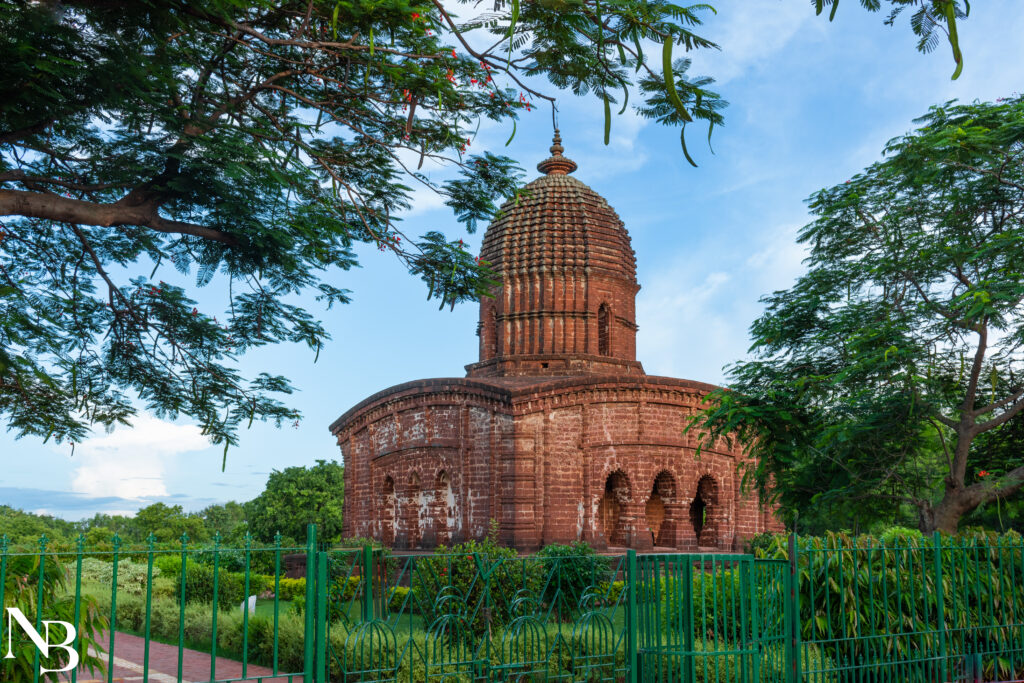
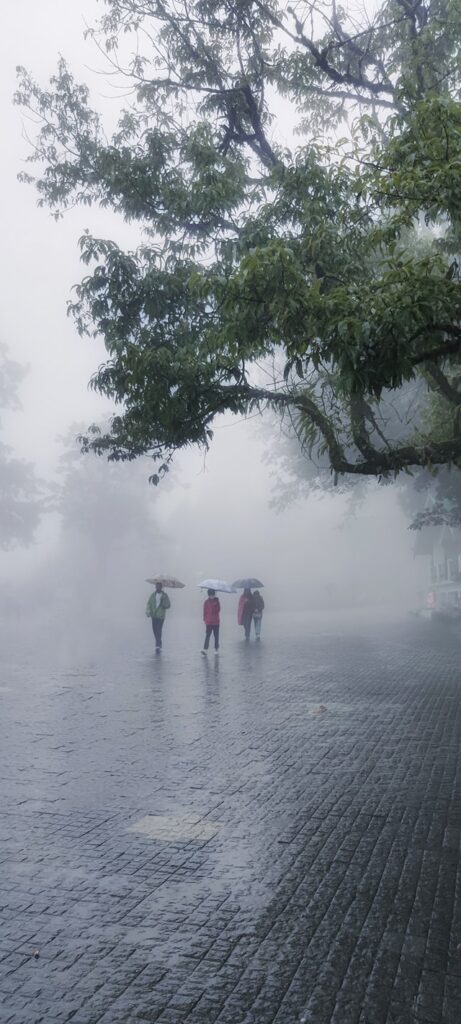
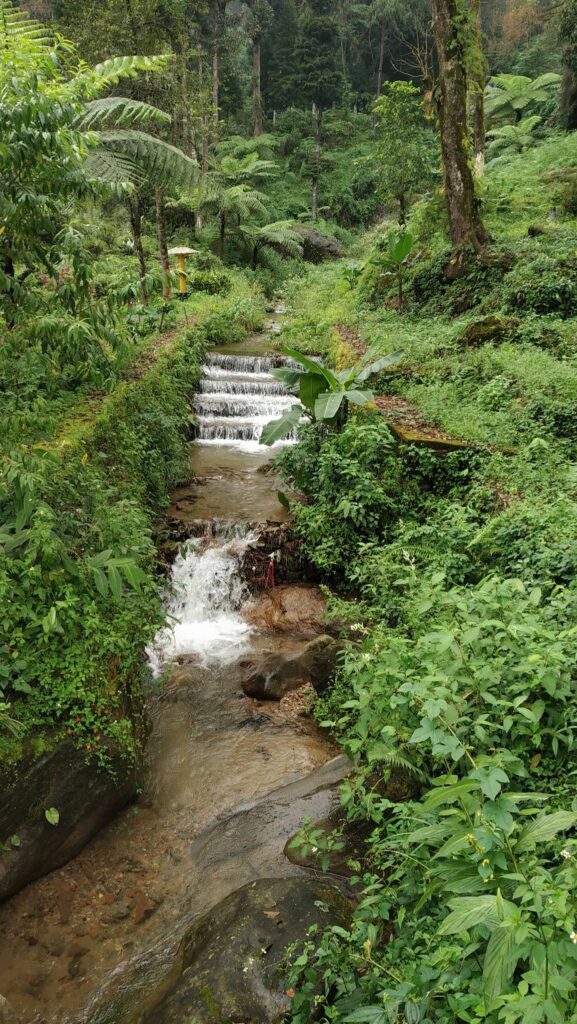
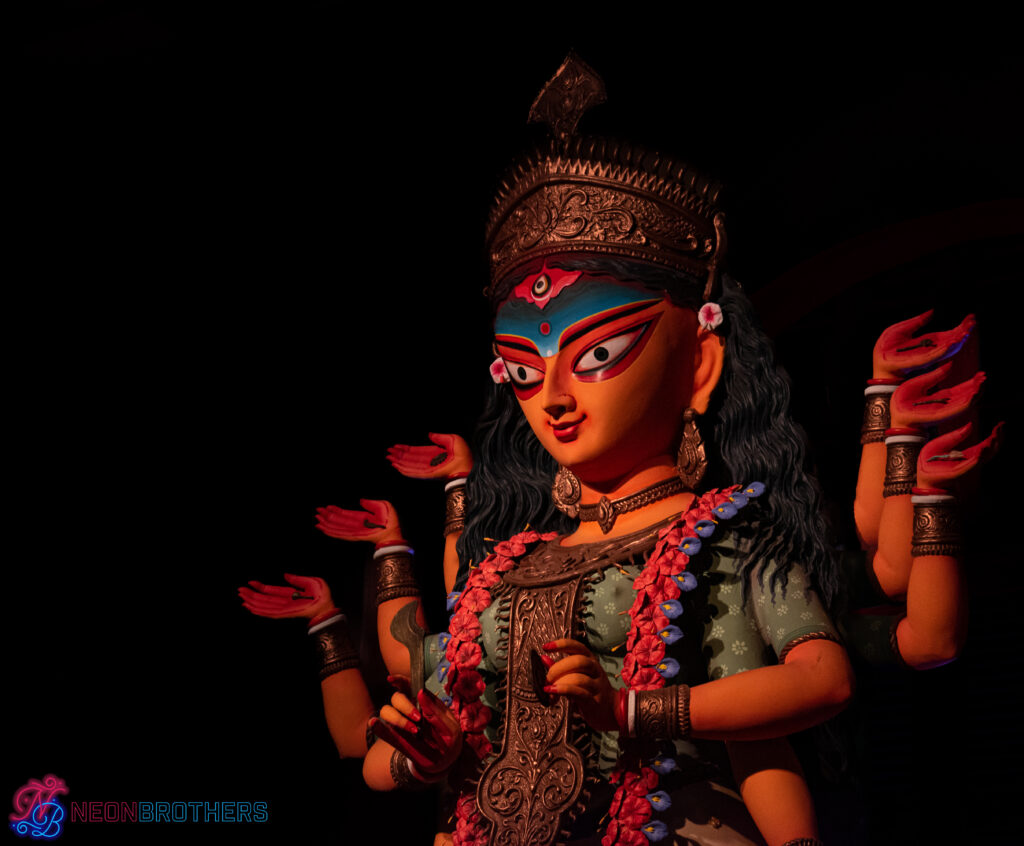
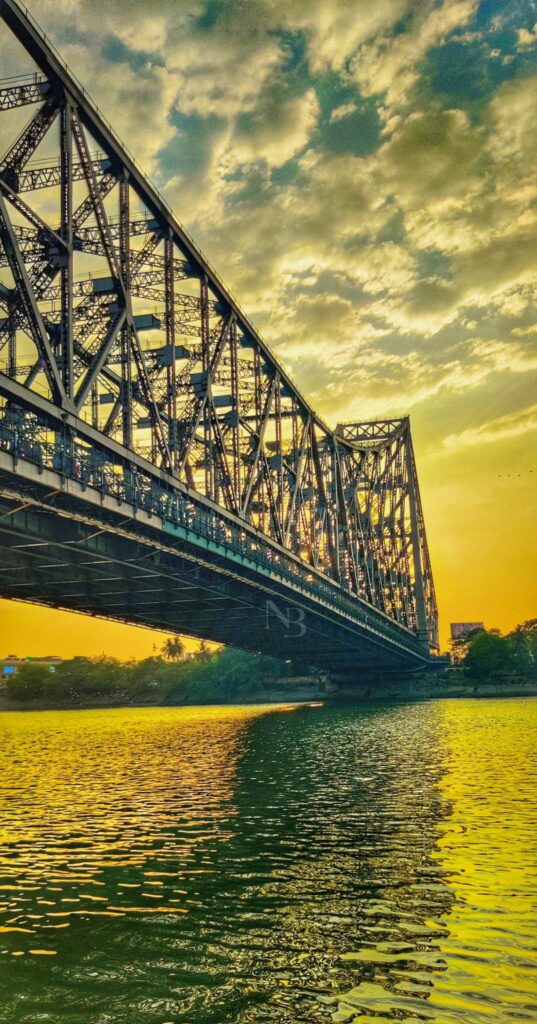
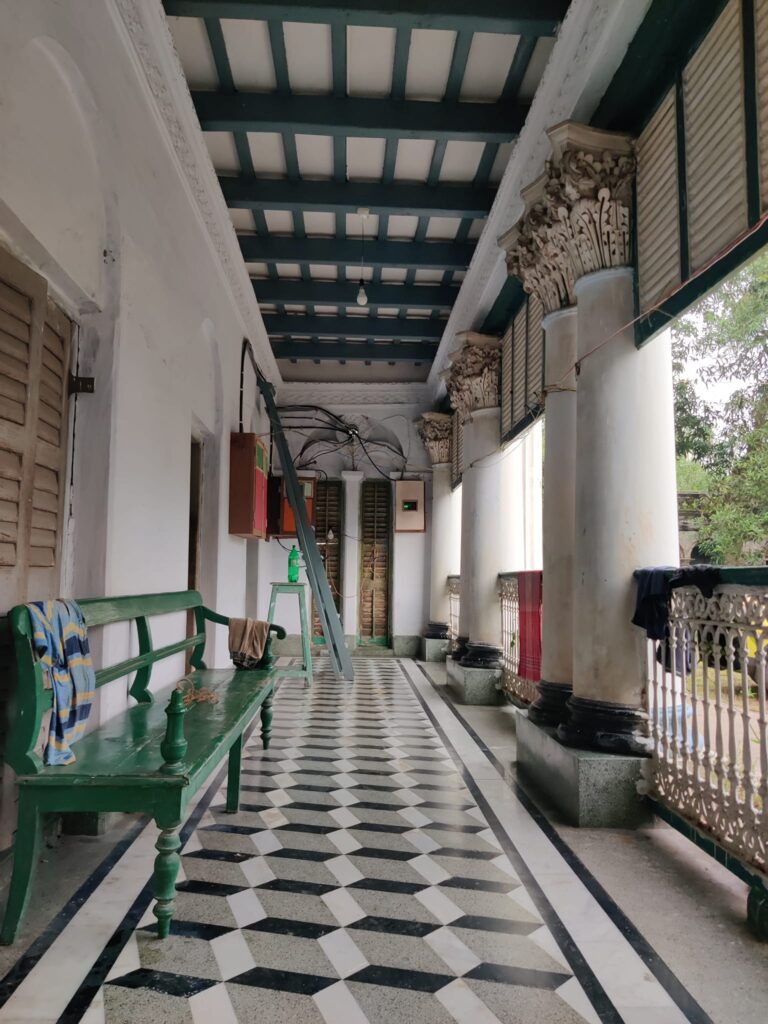
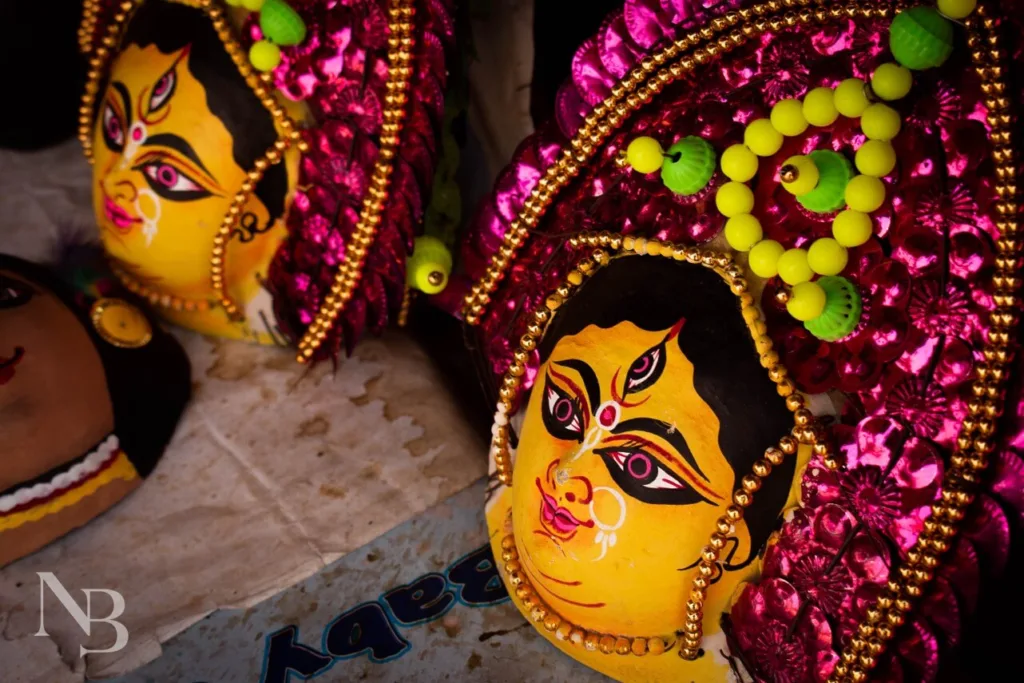
West Bengal doesn’t try to impress you — and somehow that’s why it does. In Kolkata, you’ll find old colonial buildings, yellow taxis, local markets, and a slower pace compared to other big cities. It feels more personal.
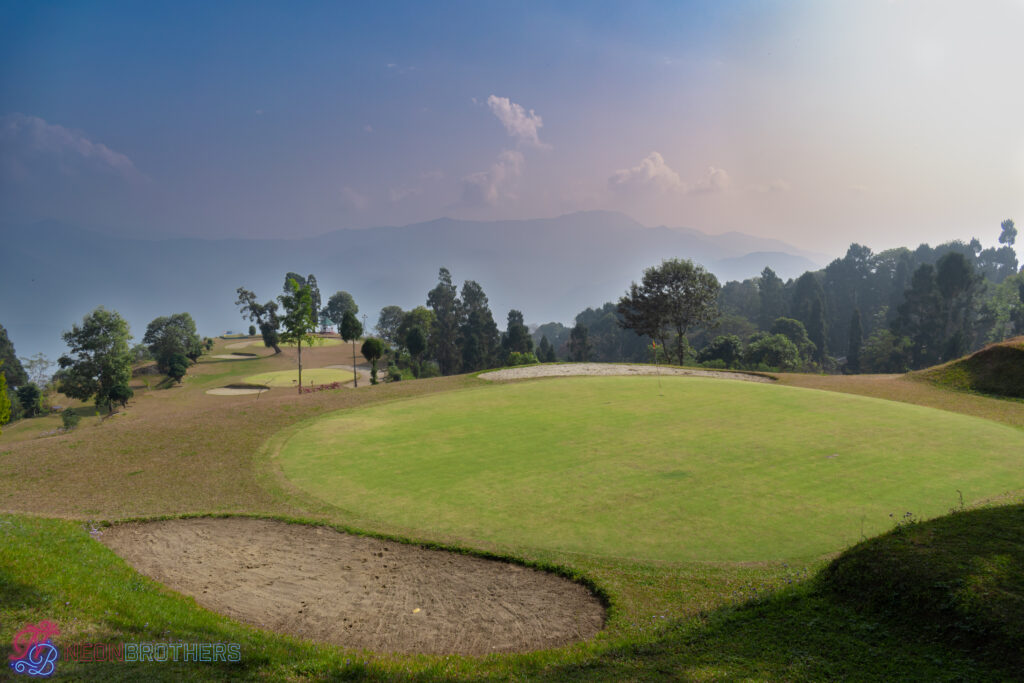
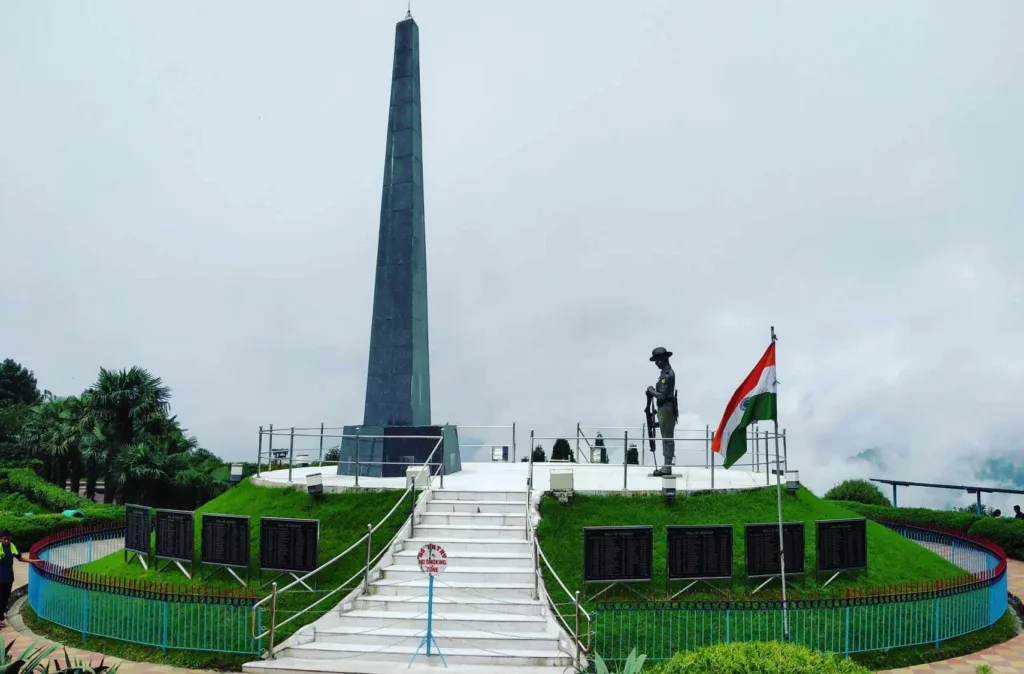
If you want to explore beyond the city, Darjeeling gives you mountains and tea gardens, while the Sundarbans offer something completely wild and unique.
Food here is on another level.
Try the famous Kolkata Biryani (yes, it has potato and yes, it’s amazing), street-side Puchka, and rolls you’ll probably end up eating every day. And don’t leave without desserts like Rosogolla or Mishti Doi.
If you enjoy food even a little bit, Kolkata will stay with you.


2) Andaman & Nicobar – A Different Side of India
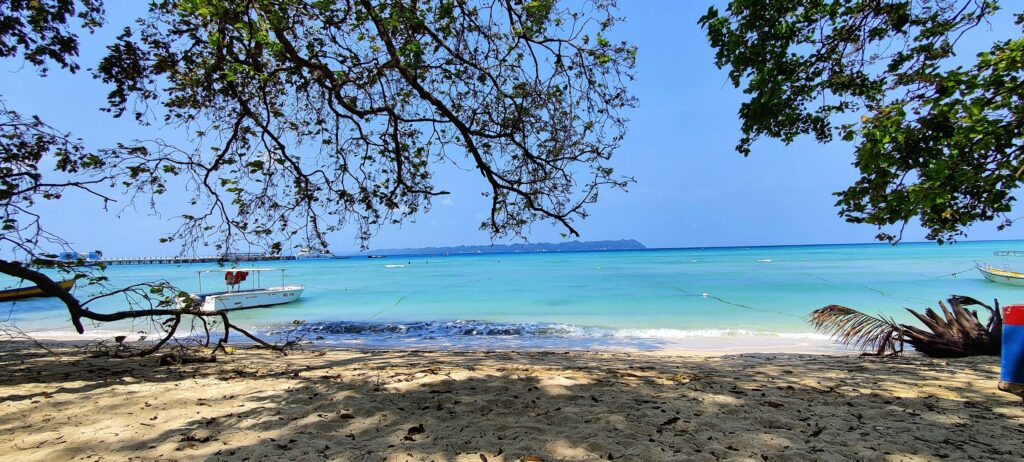
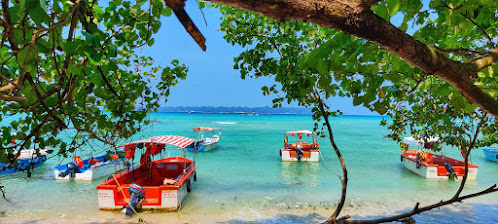
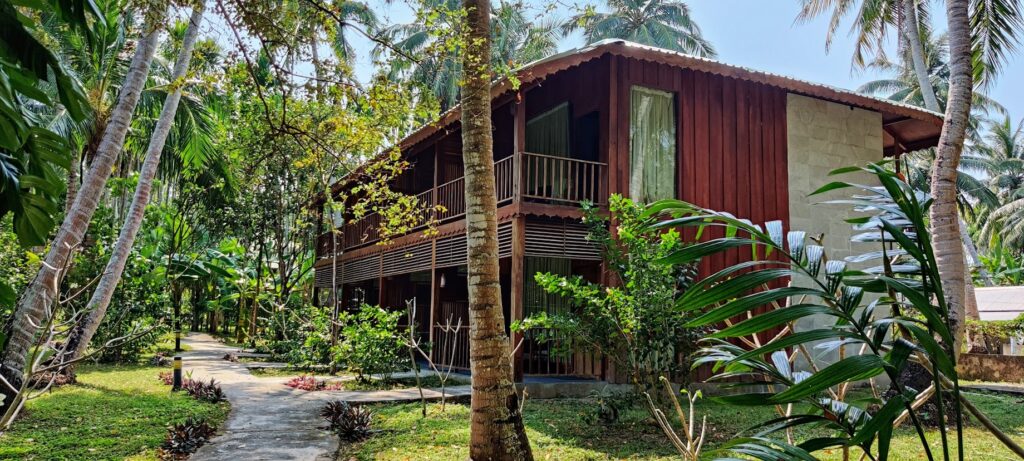
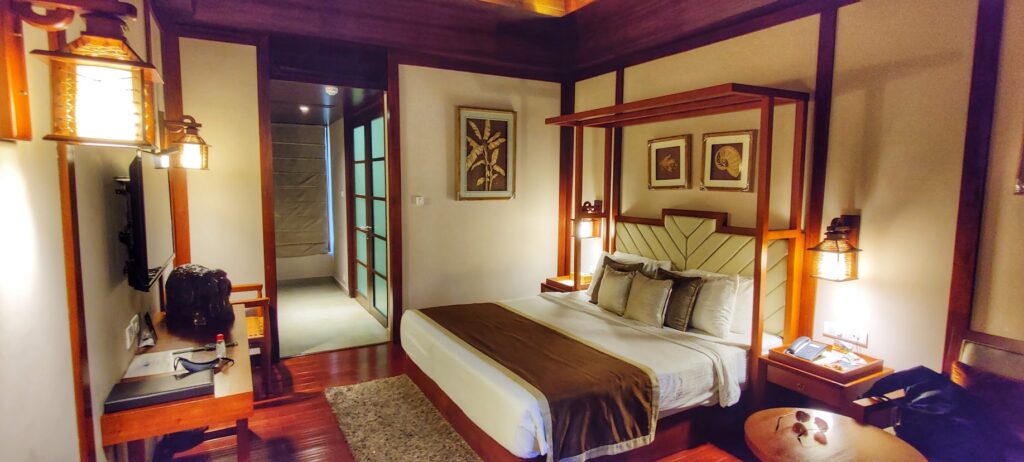
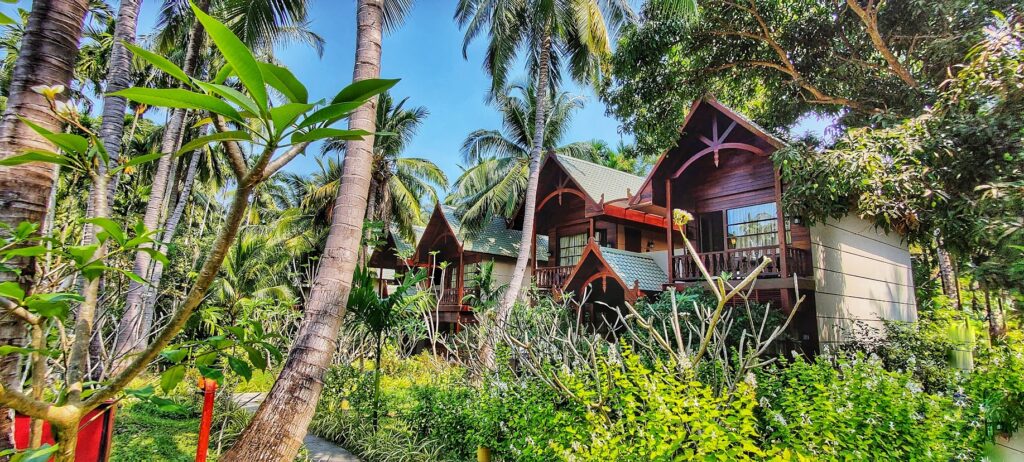
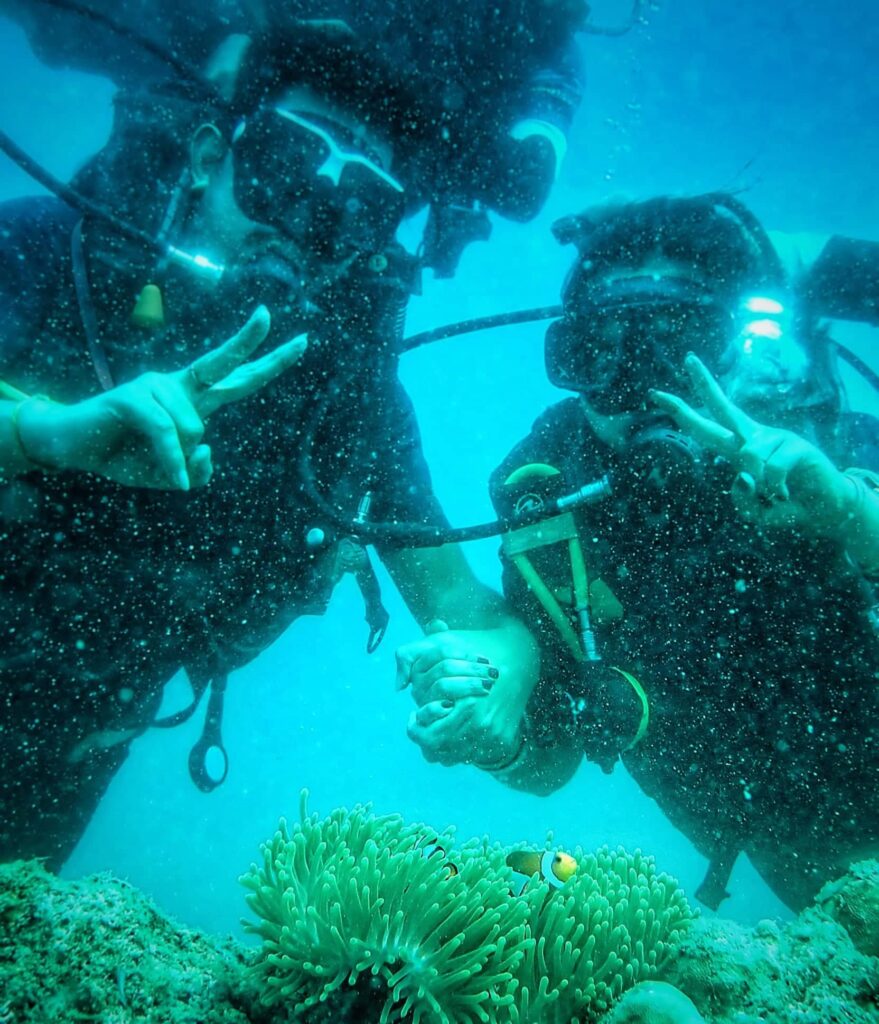
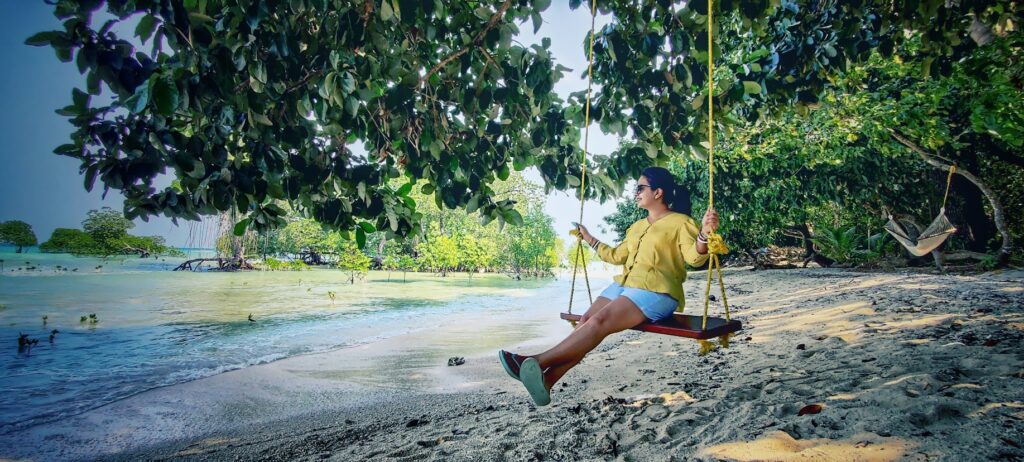
Andaman and Nicobar Islands doesn’t feel like mainland India at all. Think clear blue water, quiet beaches, and slow island life. Places like Havelock Island are perfect if you want to just relax after traveling through cities.
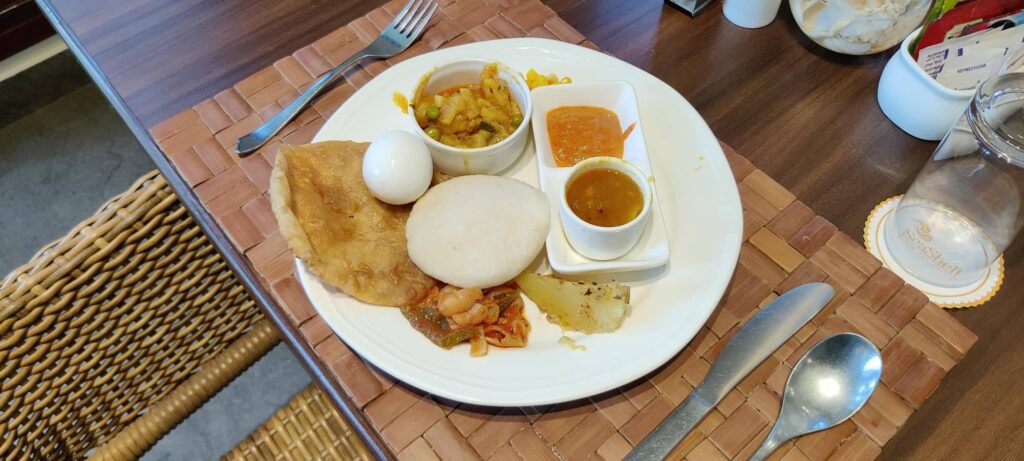
Seafood is fresh and simple — grilled fish, prawns, light curries. Nothing fancy, just really good.
If your trip feels too hectic, this is where you reset. Read our Andaman blog here.


3) Kerala – Slow Travel Done Right
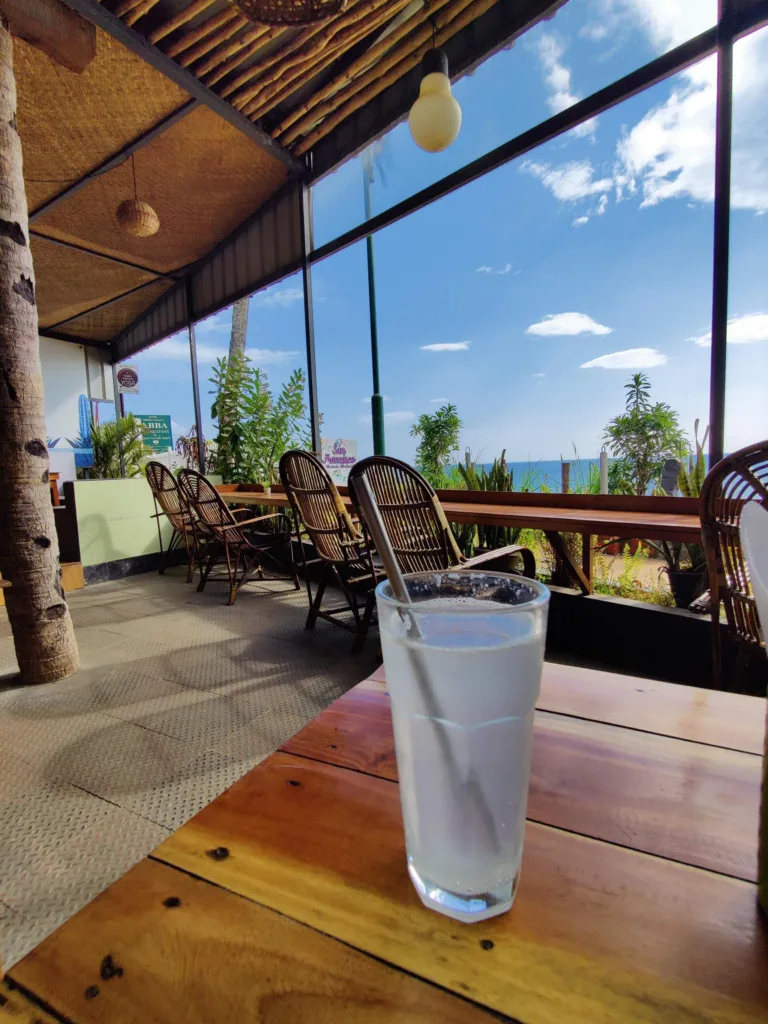
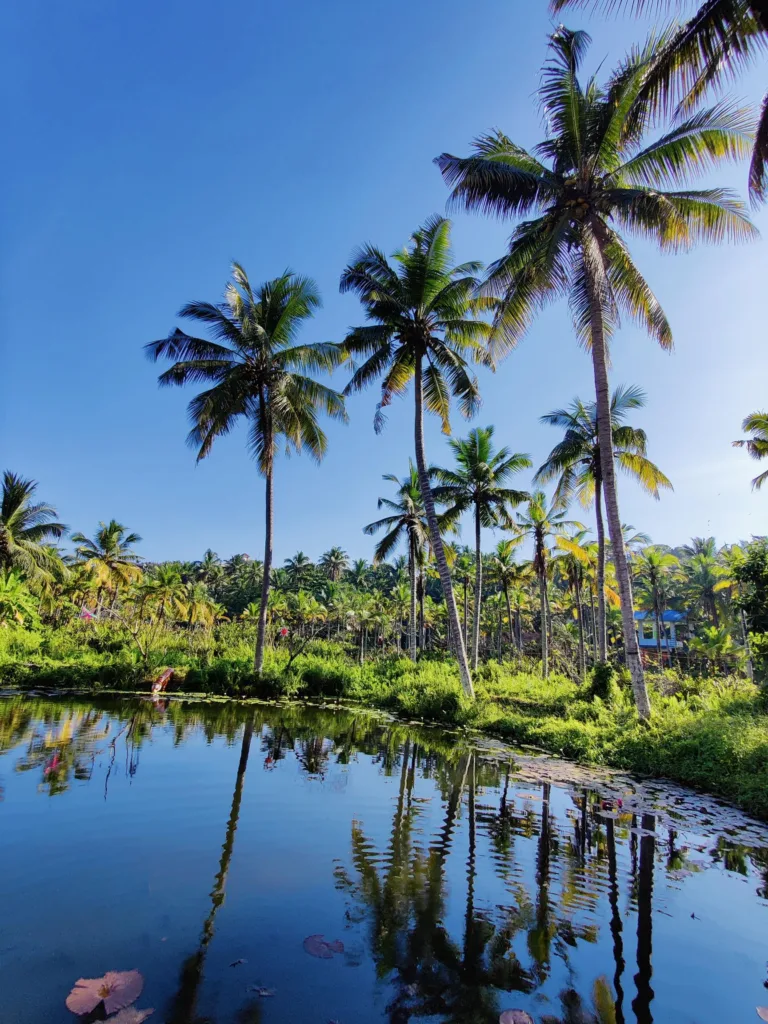
Kerala is where you go when you want to slow down. Backwaters, greenery, tea plantations — everything feels calm. You’re not rushing here.
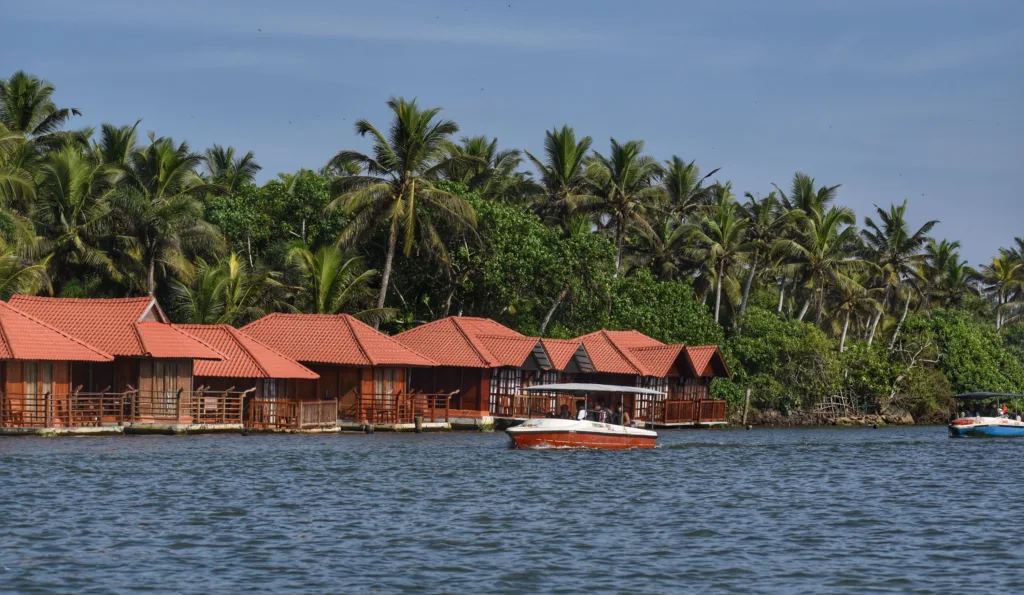
A houseboat stay in Alleppey or a quiet sunset in Varkala is usually all it takes to understand the vibe. Even the cities feel less chaotic compared to the rest of India. Munnar for hillstations.
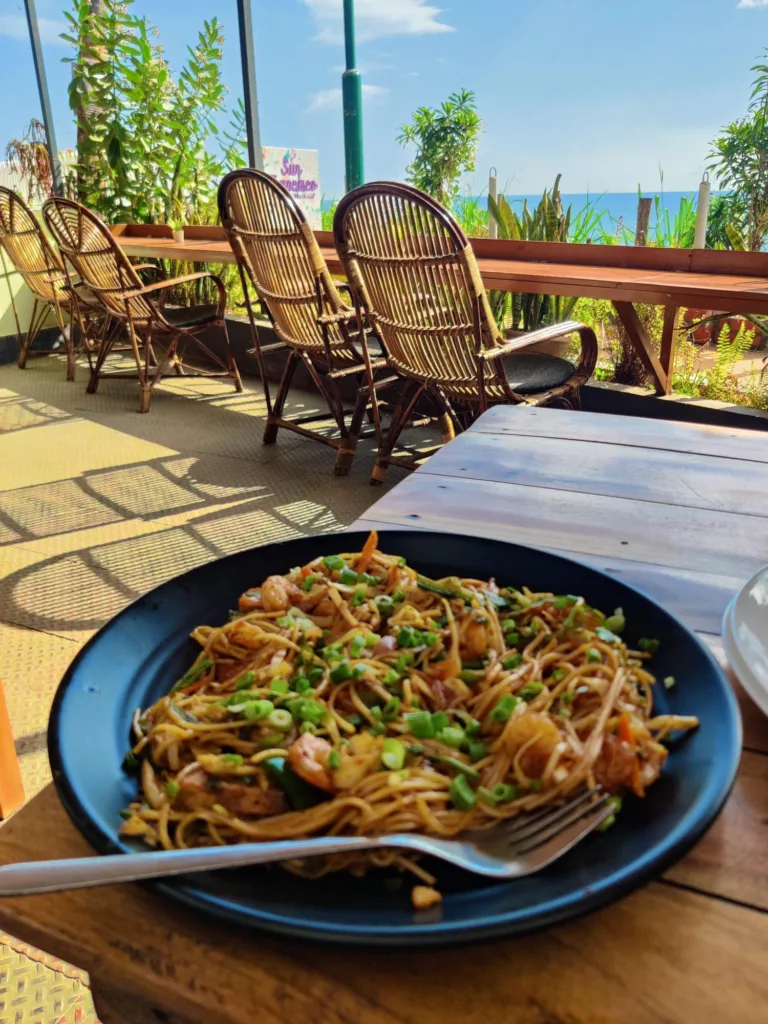
Food is simple but comforting — appam, fish curry, coconut-based dishes. It’s one of those places where you don’t do much, but still enjoy every day. Read our offbeat Kerala blog here
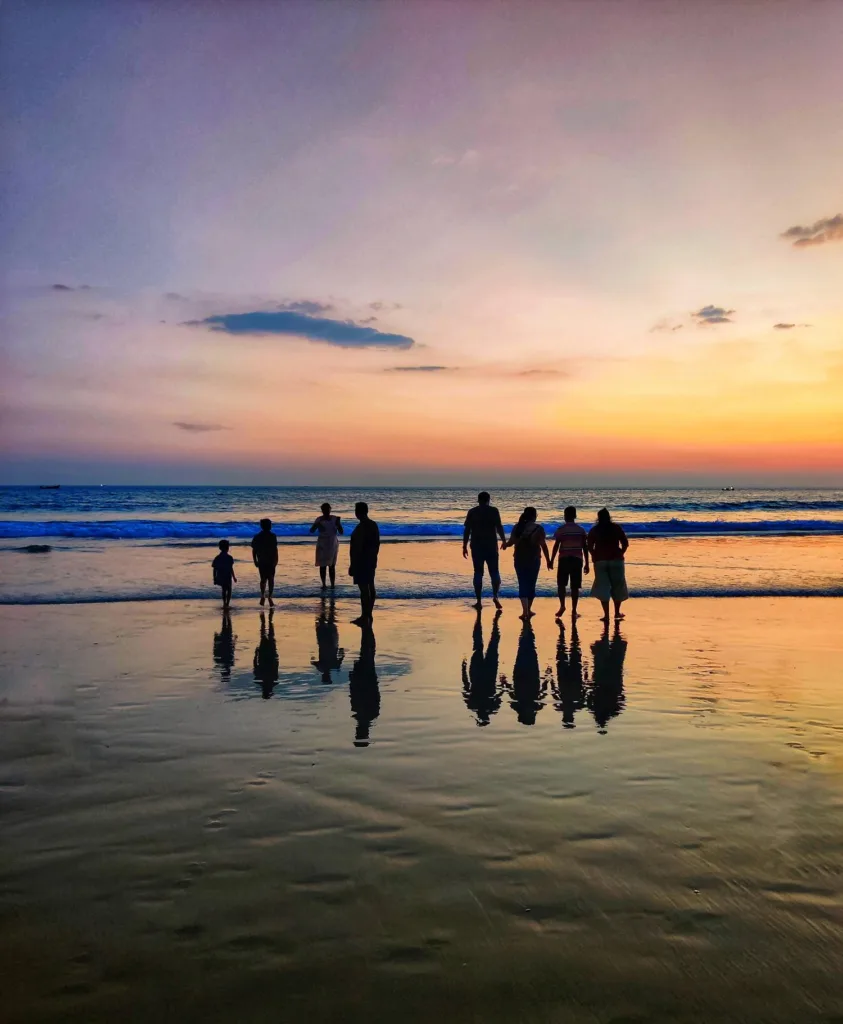
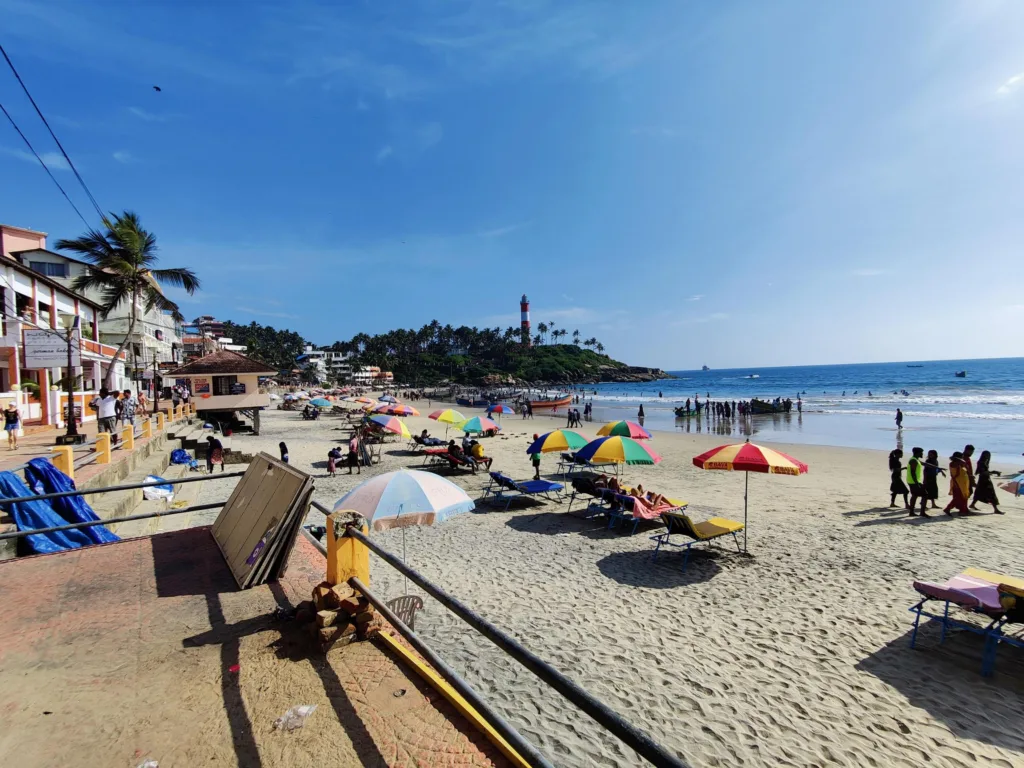
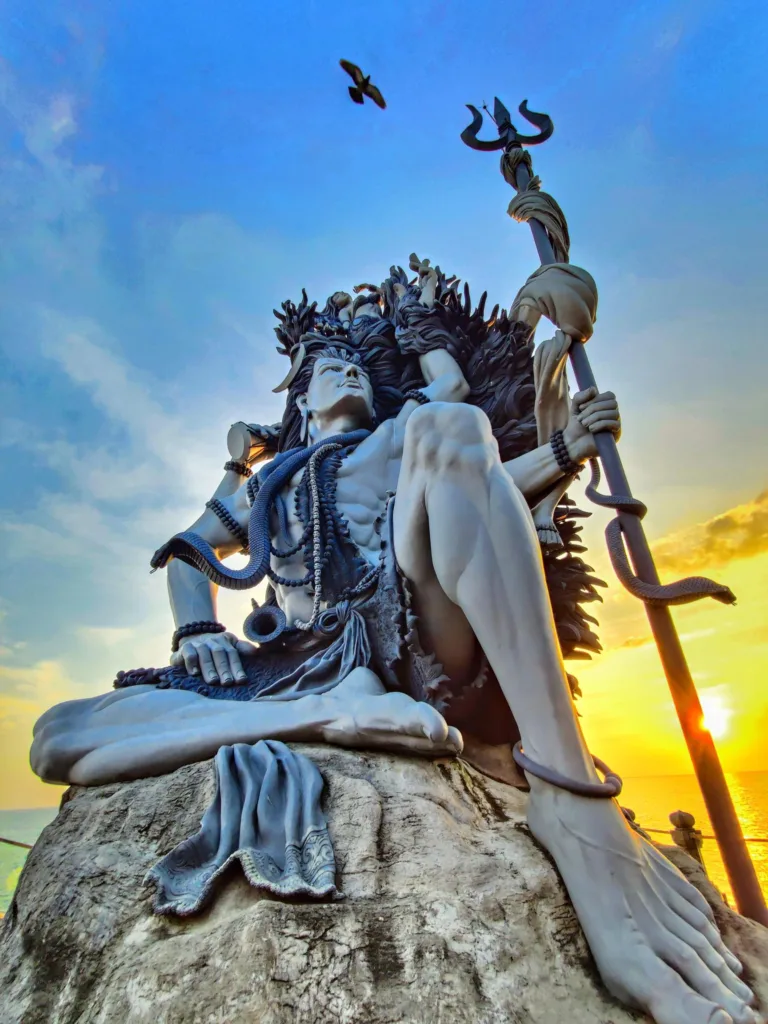
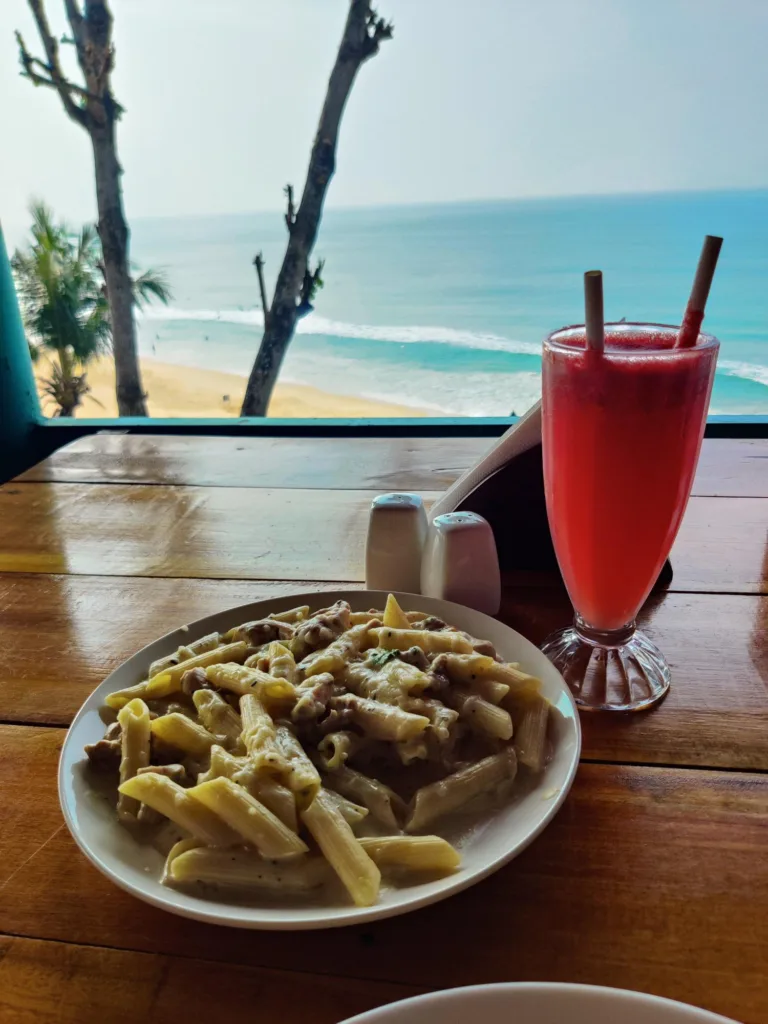

4) Tamil Nadu – Culture You Can Feel
Tamil Nadu is deeply cultural.
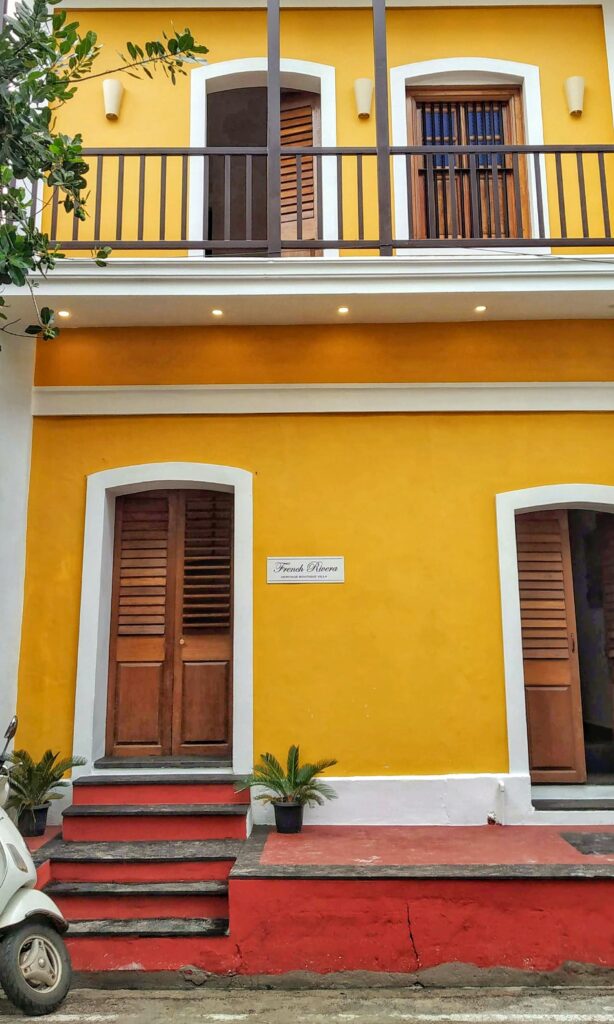
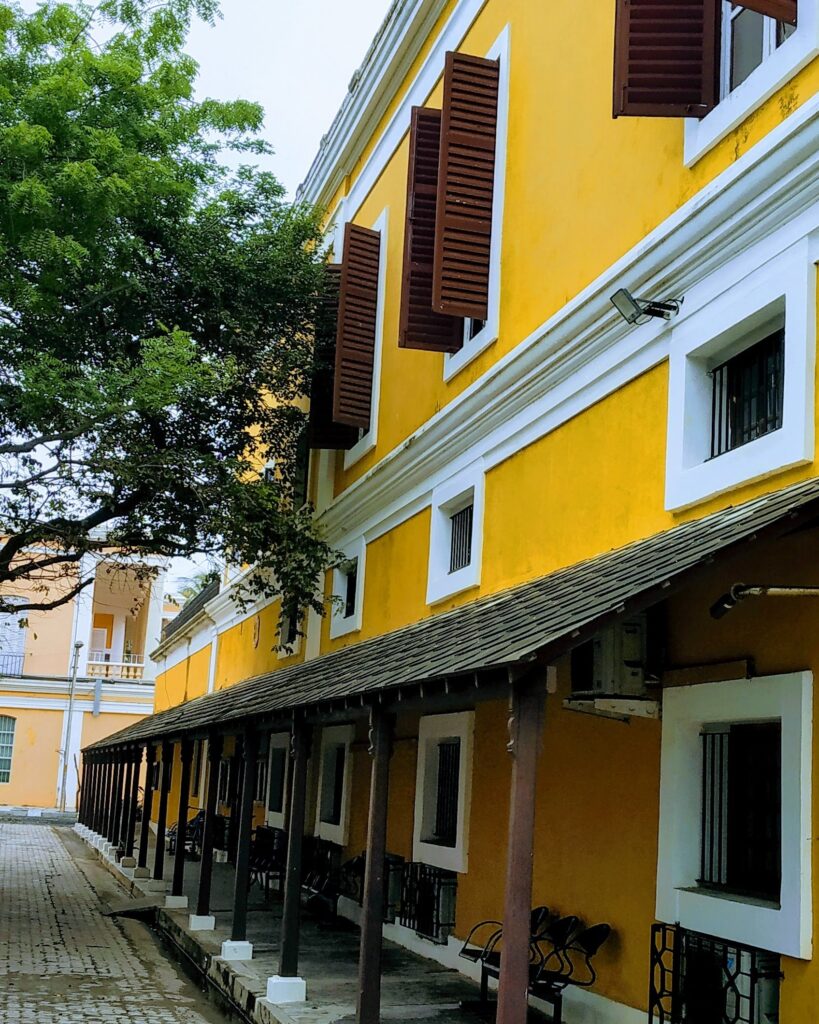
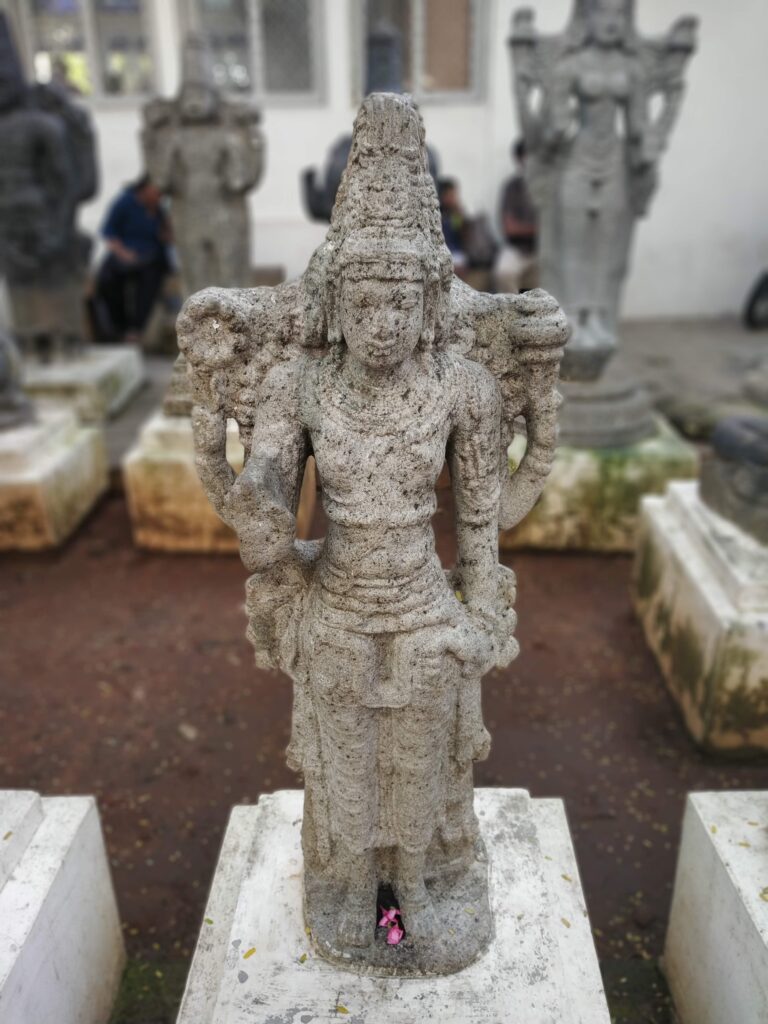
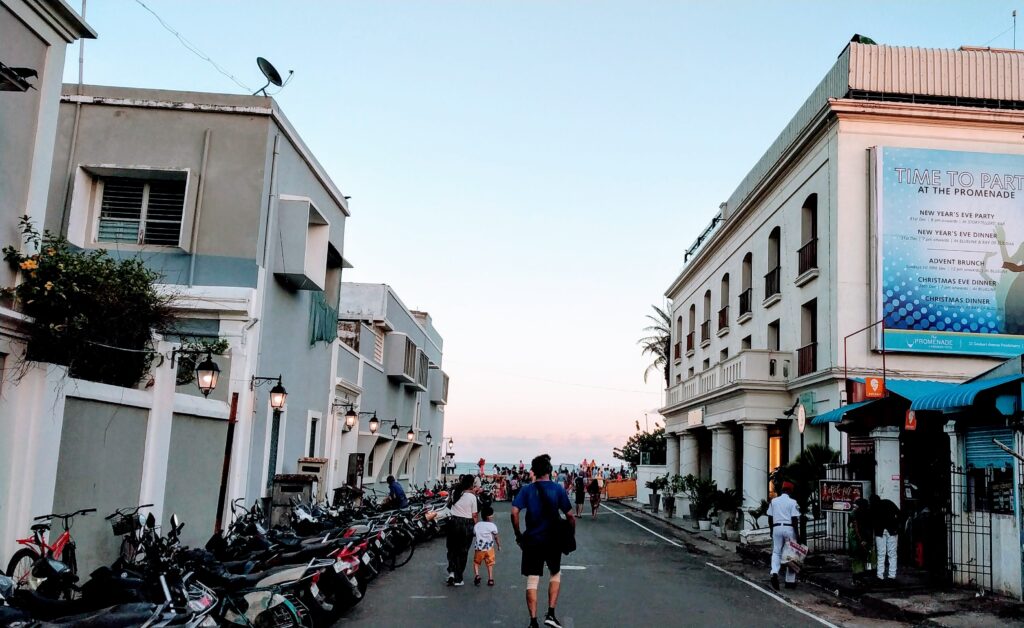
Temples in Madurai and Mahabalipuram aren’t just tourist spots — they’re still very much alive. You’ll feel it when you visit. You can try Pondicherry as well which is a small union territory beside it. Or hill stations of Ooty or Kodaikanal
Food is mostly vegetarian, light, and addictive — dosa, idli, and strong filter coffee that somehow tastes better there.




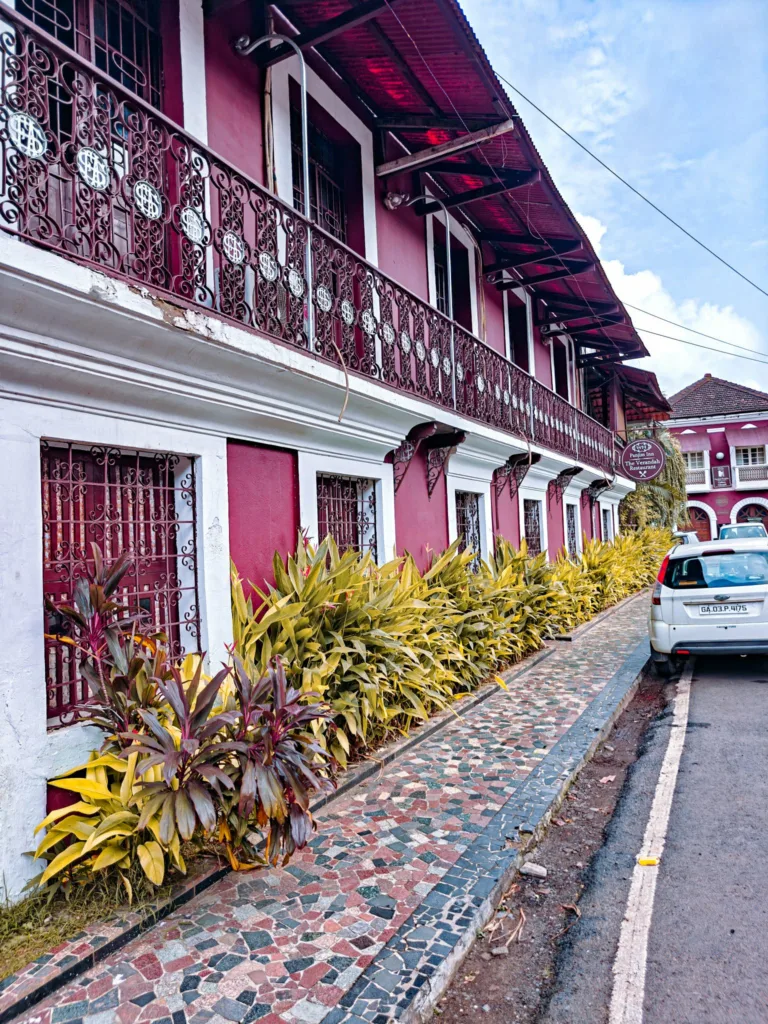
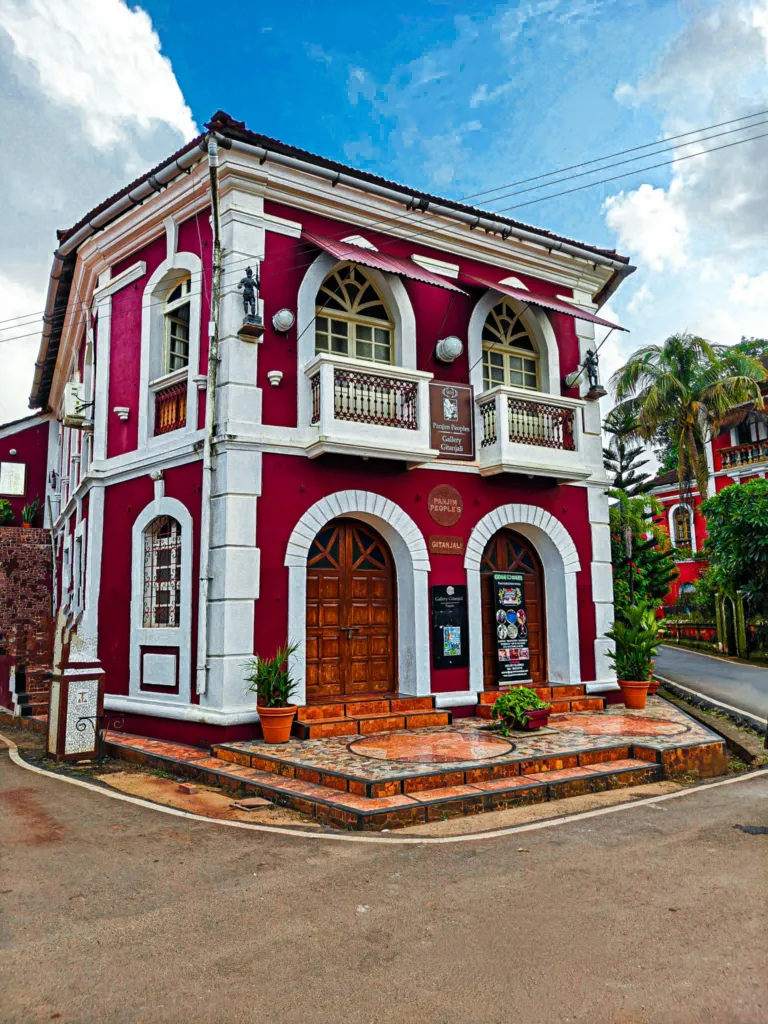
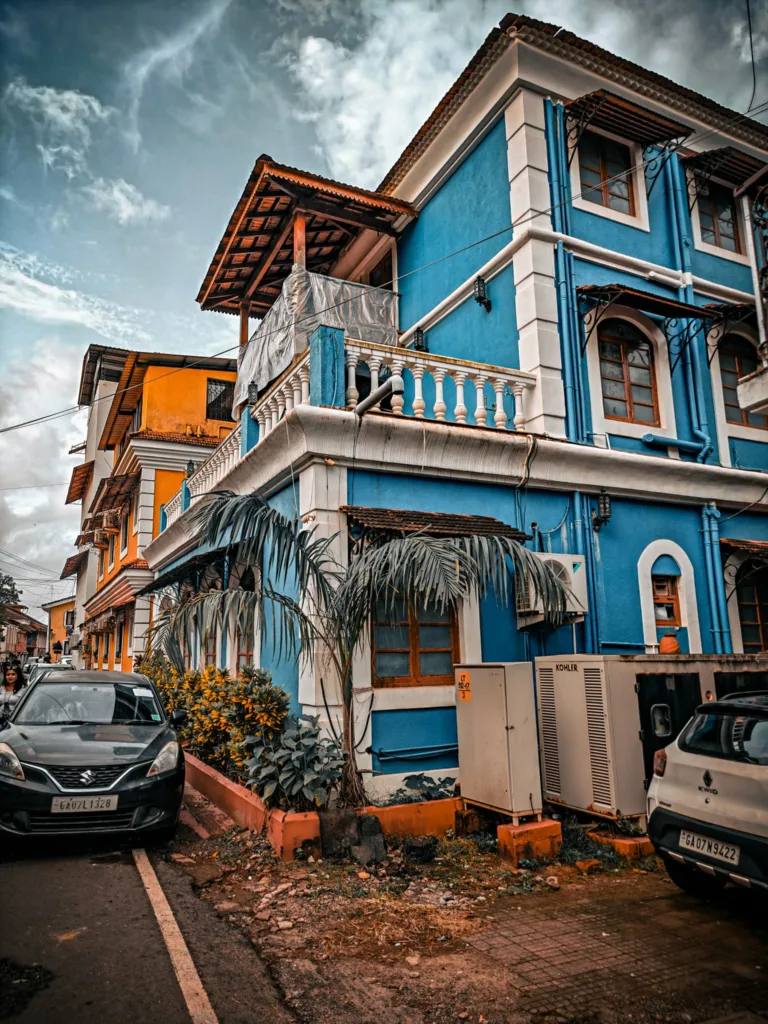
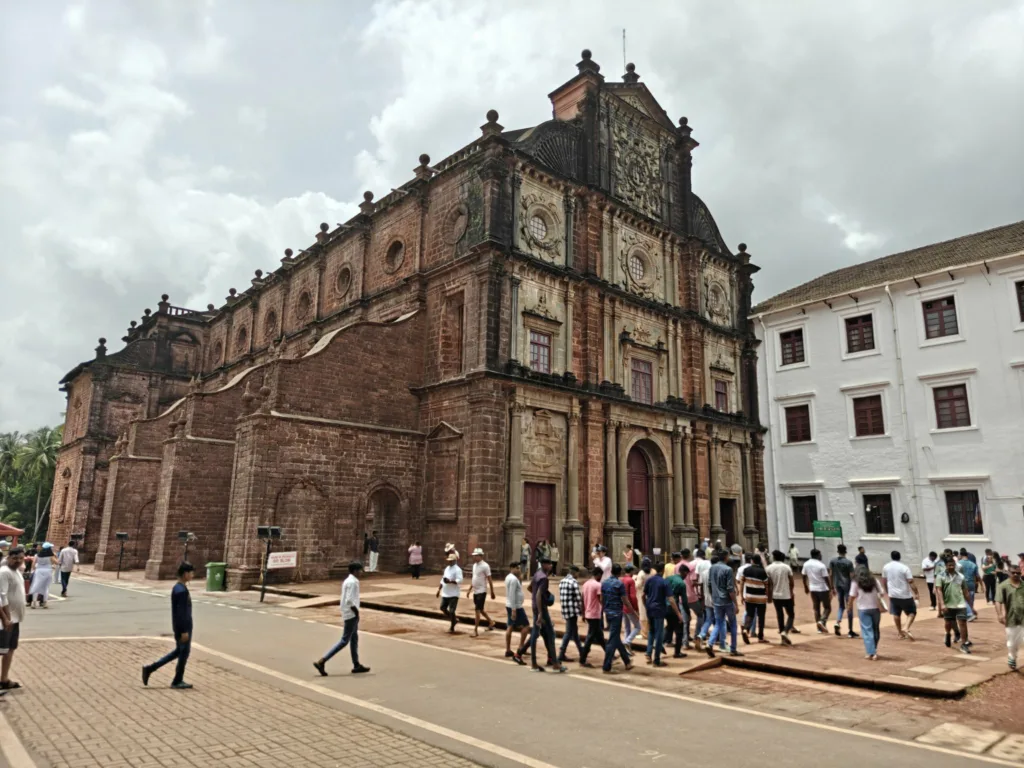
5) Goa – Just Pause and Breathe
Goa is your break. After all the traveling, Goa is where you slow down. Beaches, sunsets, cafés — that’s the vibe.
Seafood is a highlight here, especially Goan curries and prawns. Read our South and North Goa blog.

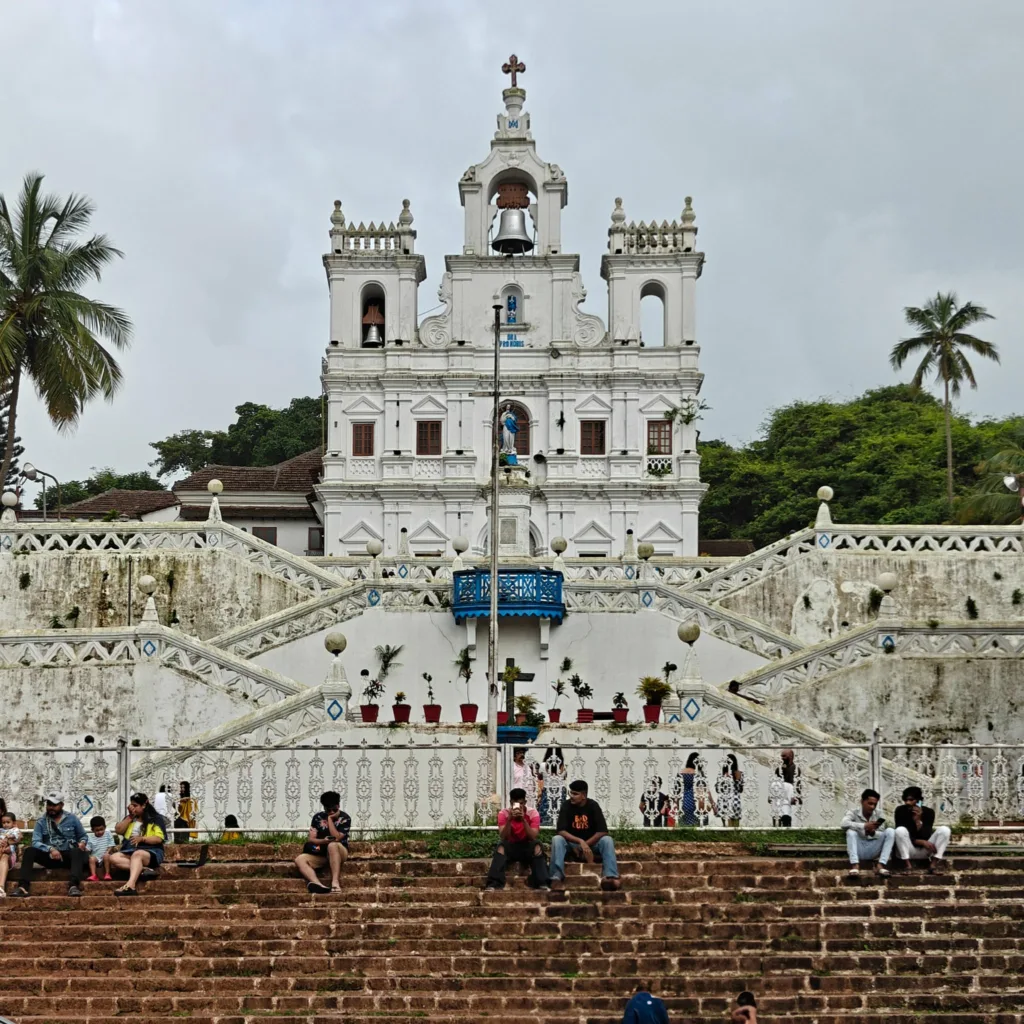
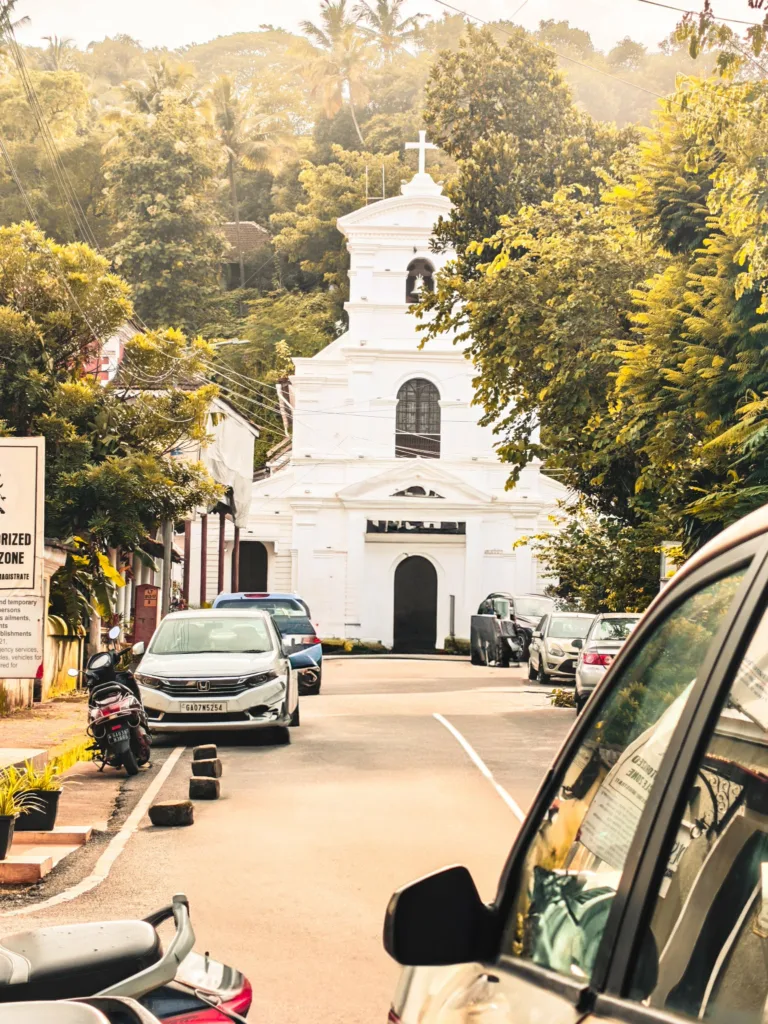
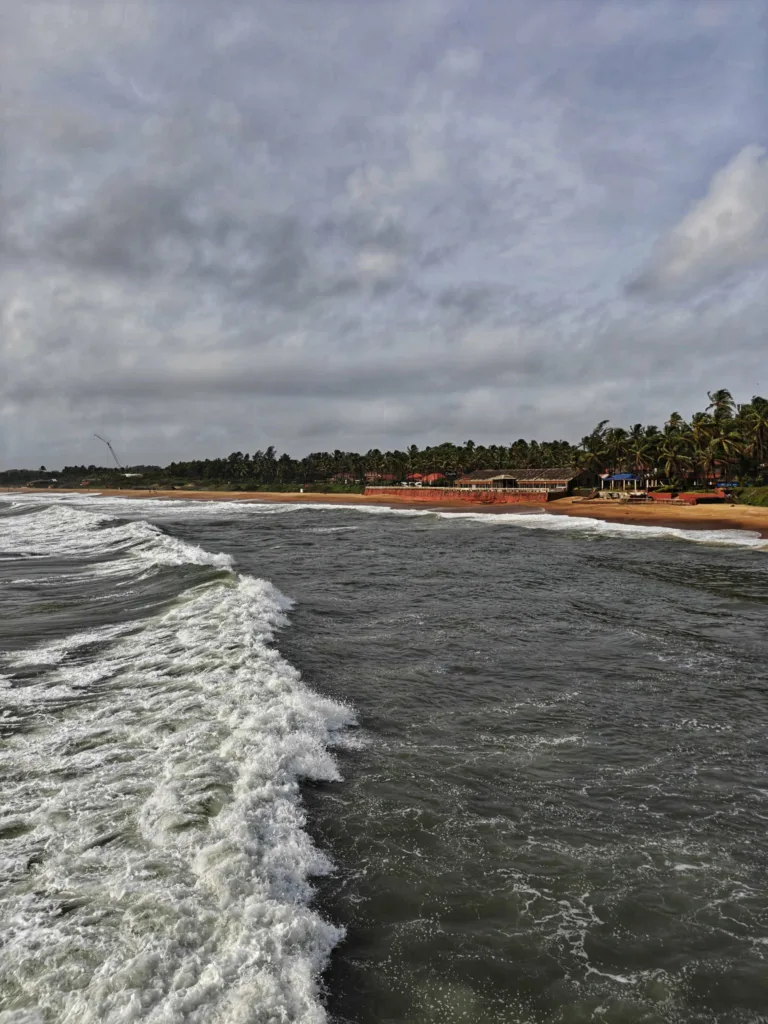
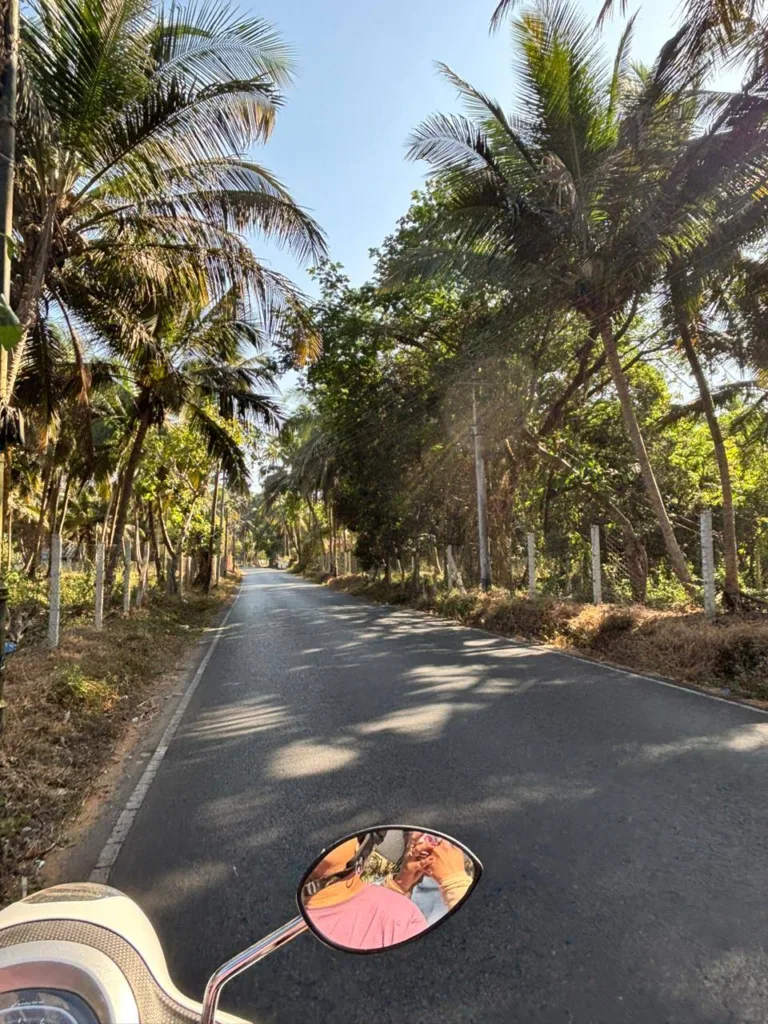
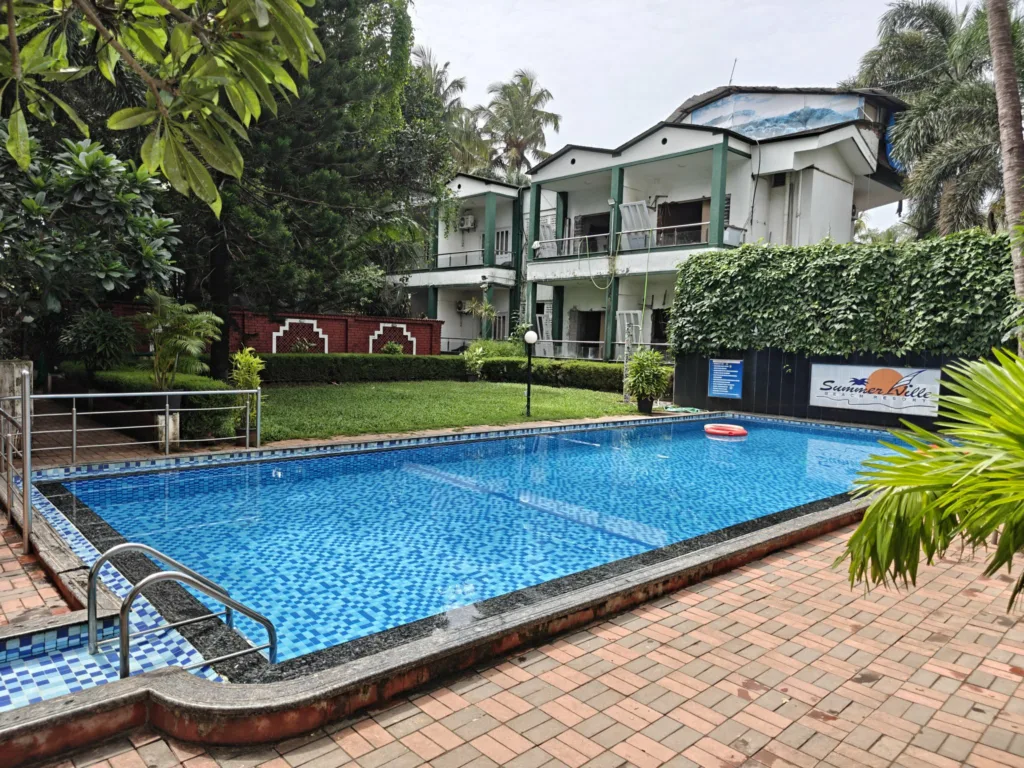
6) Karnataka & Maharashtra – A Bit of Everything
Karnataka gives you a mix — modern Bangalore and the historic ruins of Hampi. Or Coorg as well.
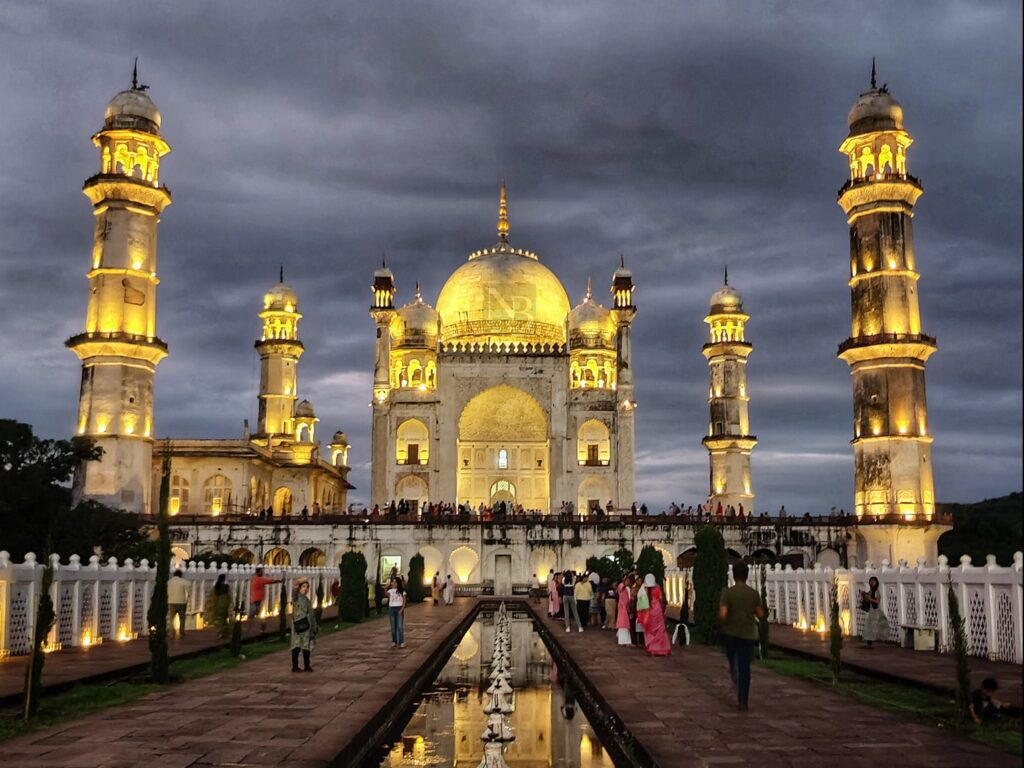
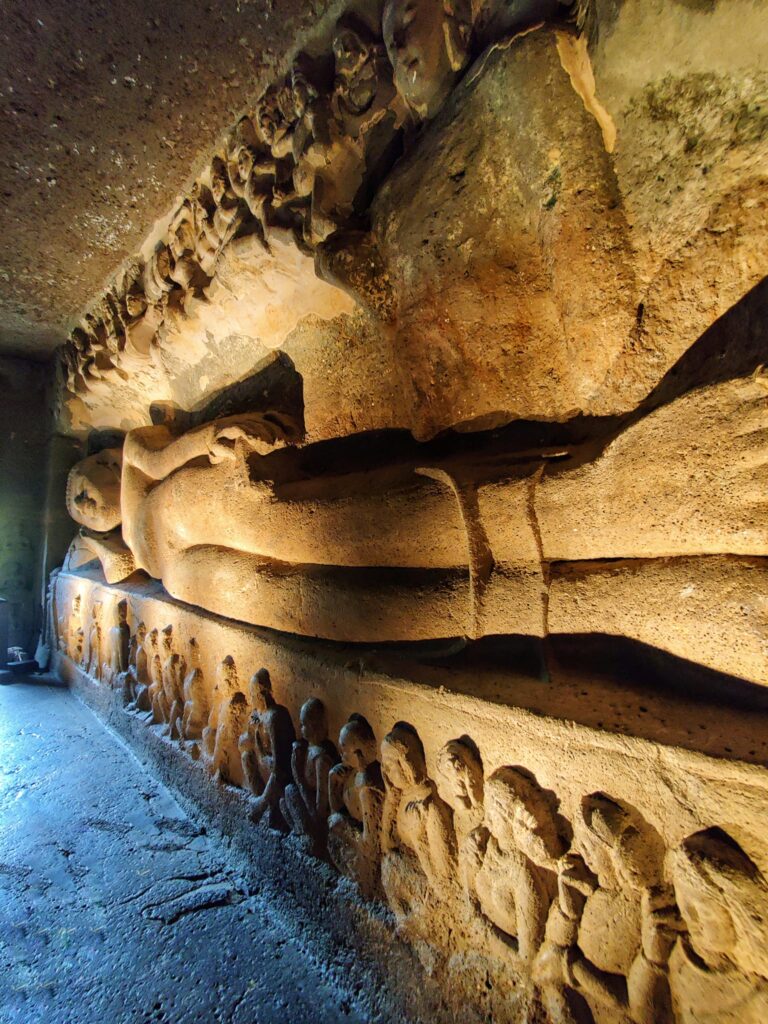
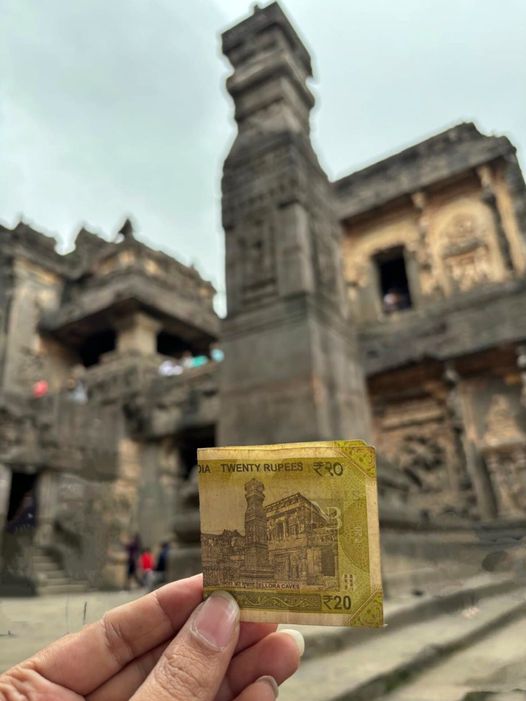
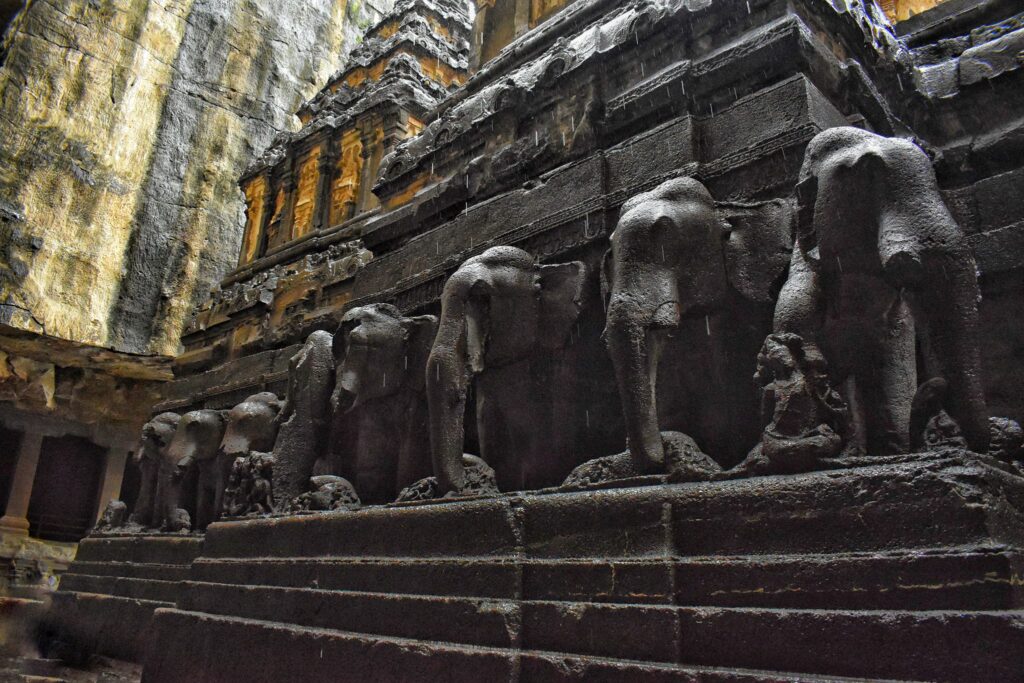
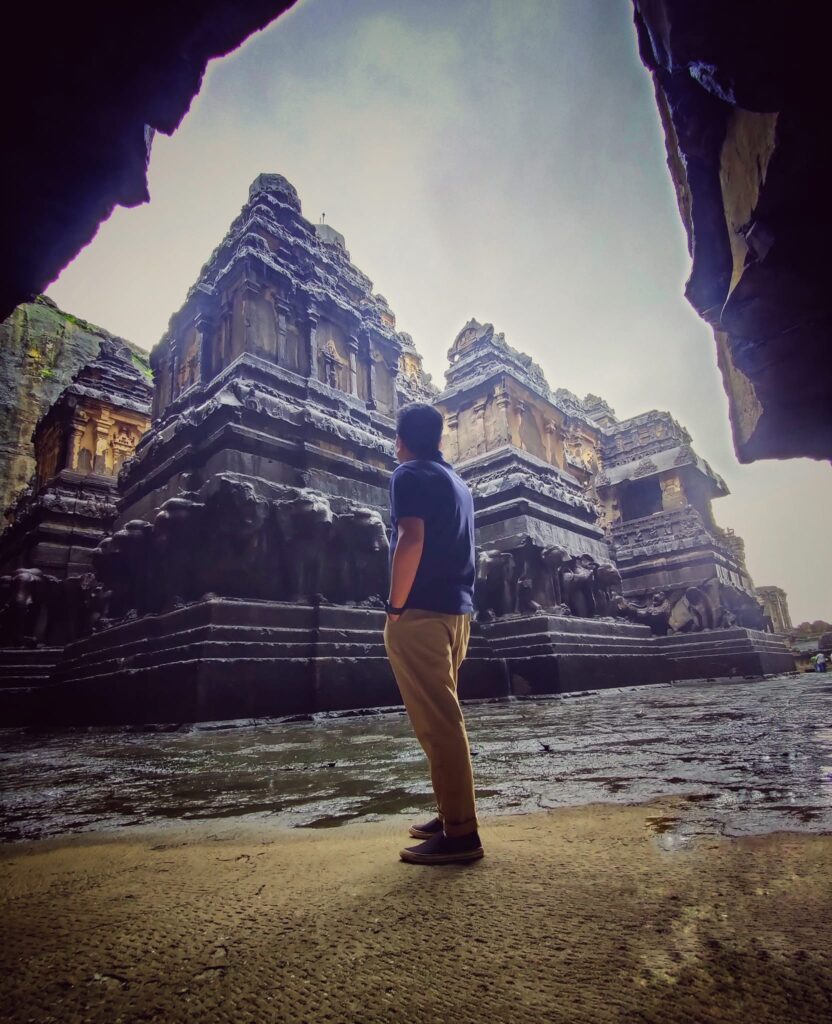
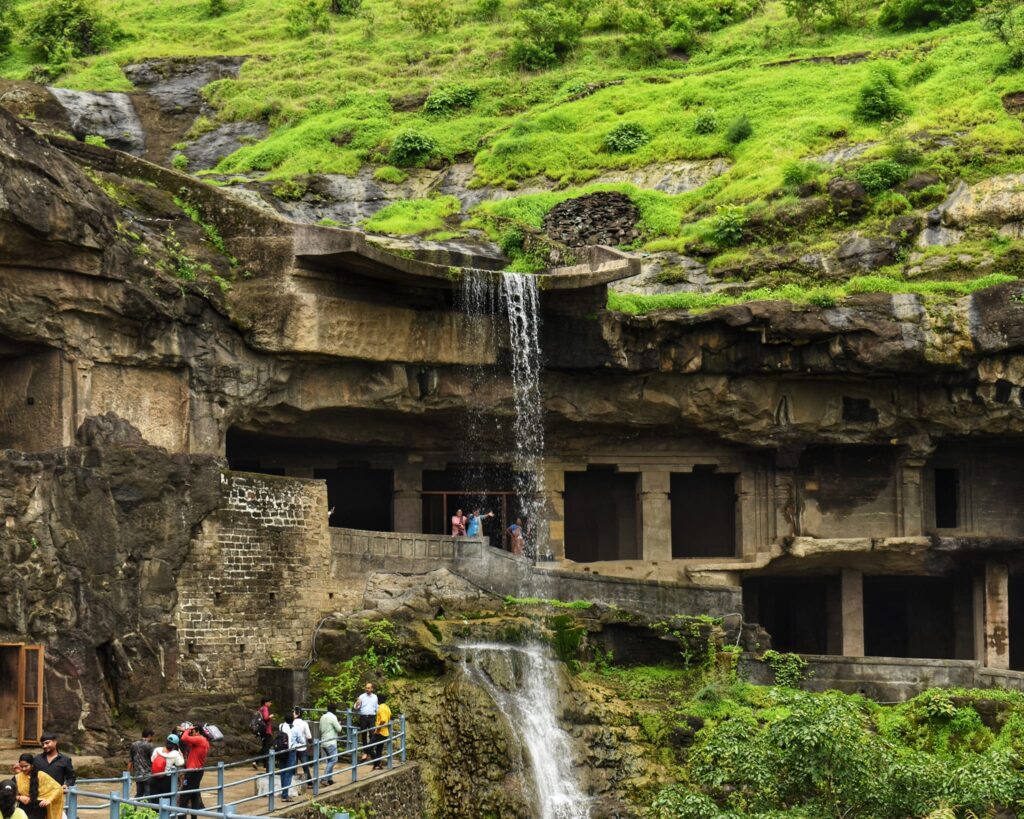
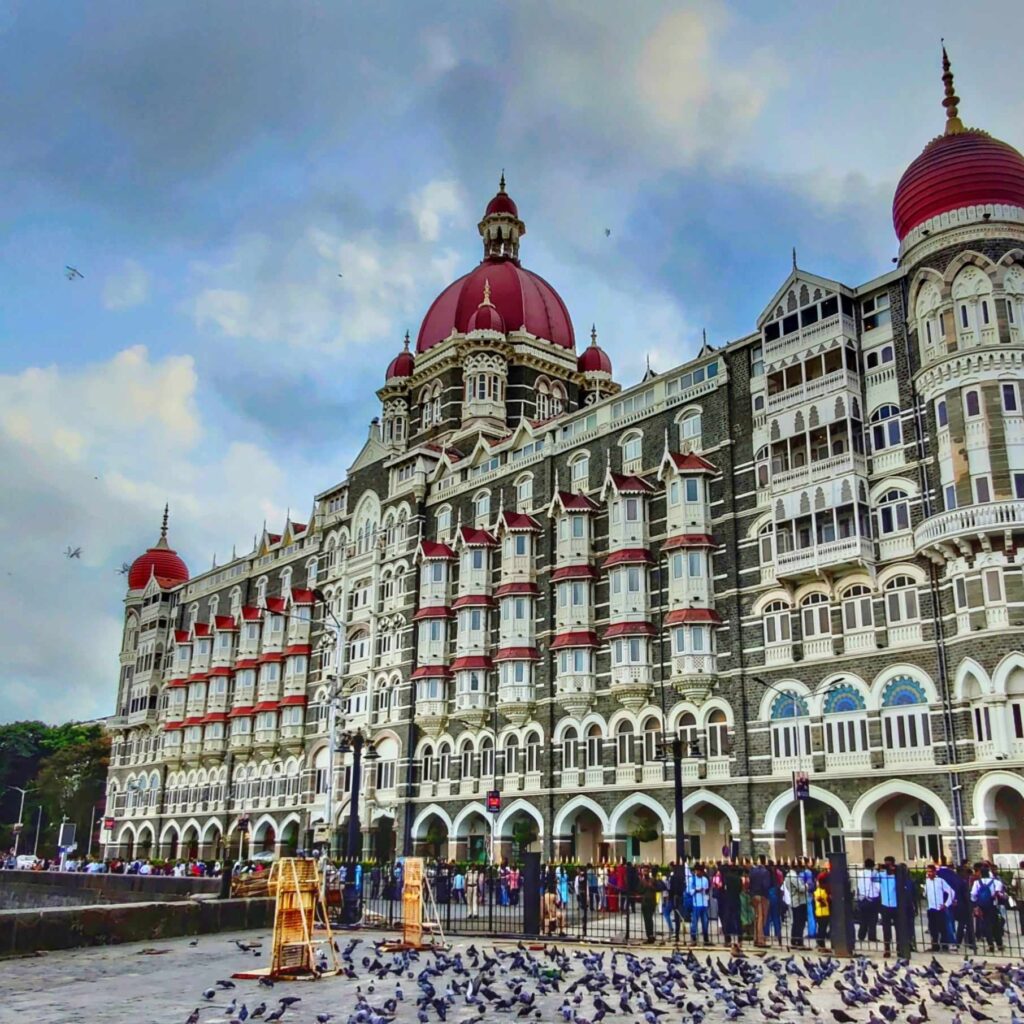
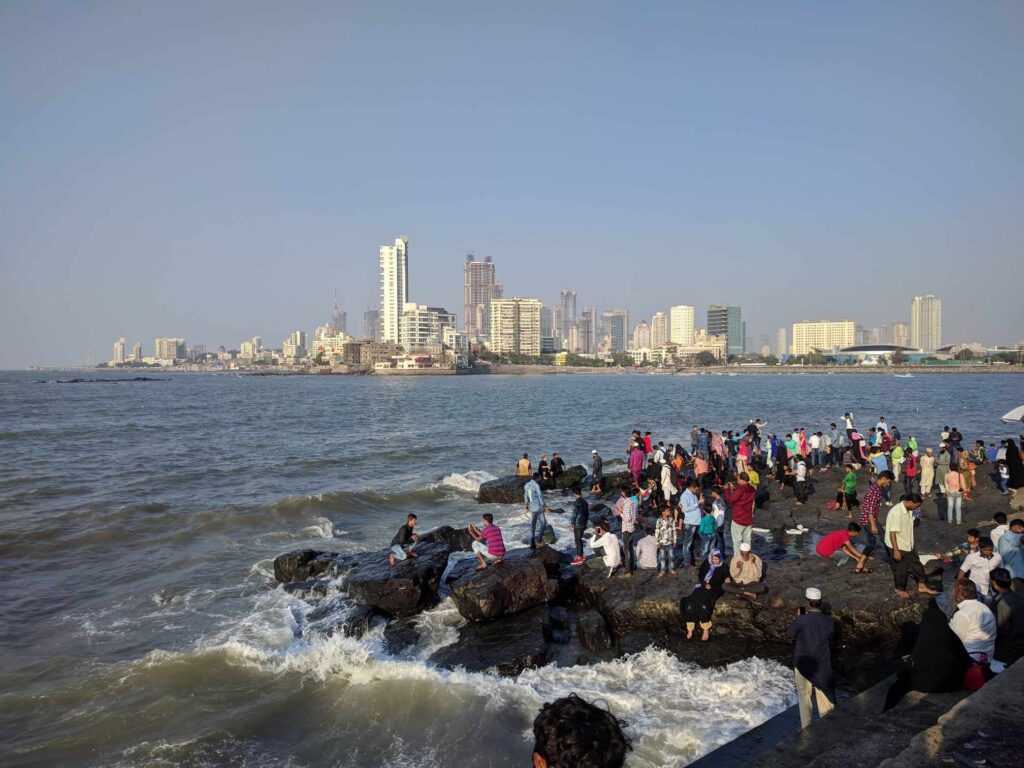
Maharashtra is where you’ll likely land first (Mumbai). It’s busy, but it’s also one of the easiest cities for foreigners to navigate. Aside from Mumbai, don’t miss the Ajanta/Ellora cave temples or hill stations like Mahabaleshwar if time allows. This is where you would be able to see the Kailasa Temple. Read more here to get the itinerary.
7) Northeast (e.g. Arunachal Pradesh, Assam, Meghalaya):
This “Seven Sisters” region offers dramatic mountains, tribal cultures, and rainforests. (Note: Arunachal and some hill states require special Inner Line Permits, so plan ahead.)
This first time India travel guide focuses on easier, safer regions for a smoother experience.
What About North India?– First Time India Travel Guide
You don’t have to skip it completely — just don’t overdo it.
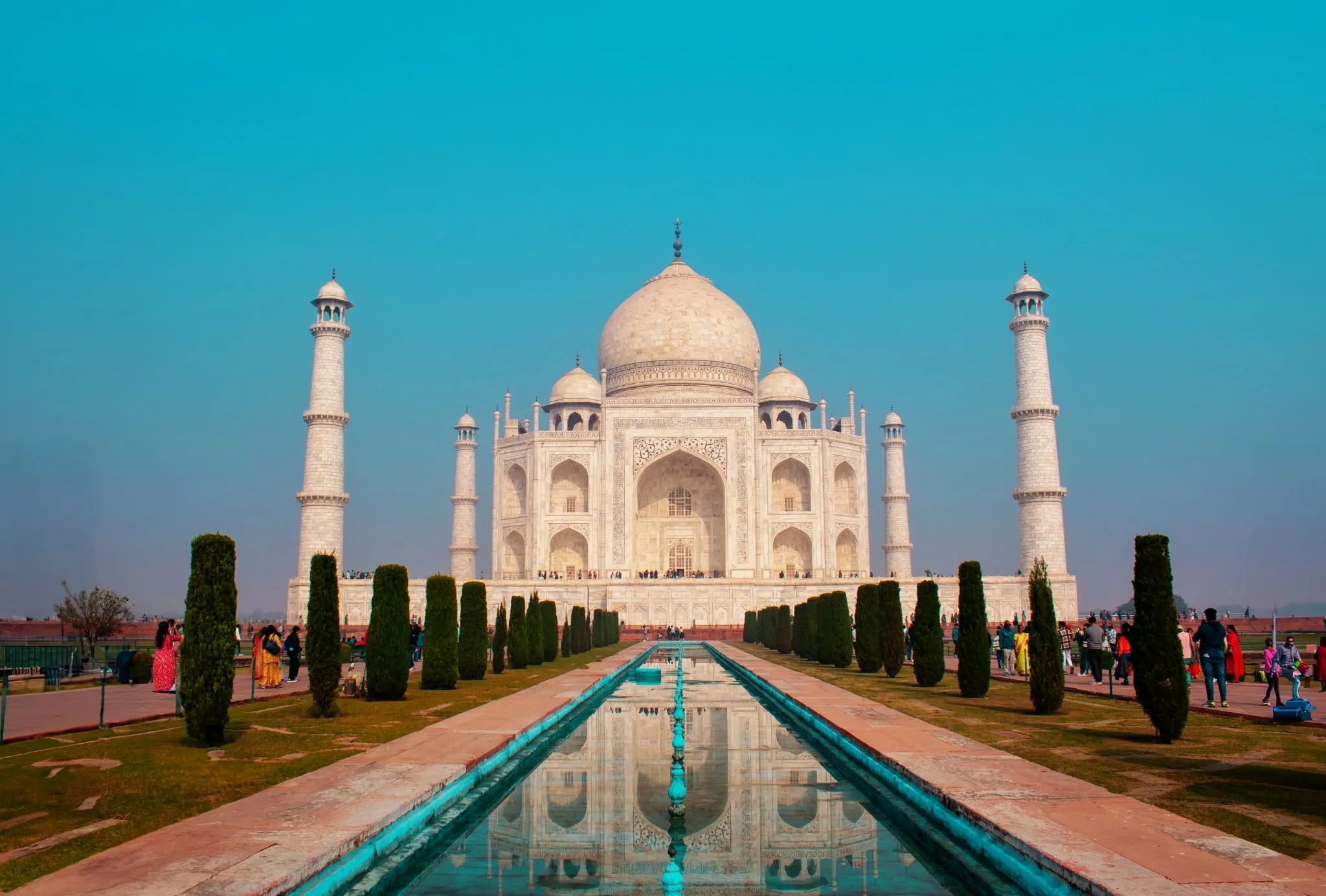
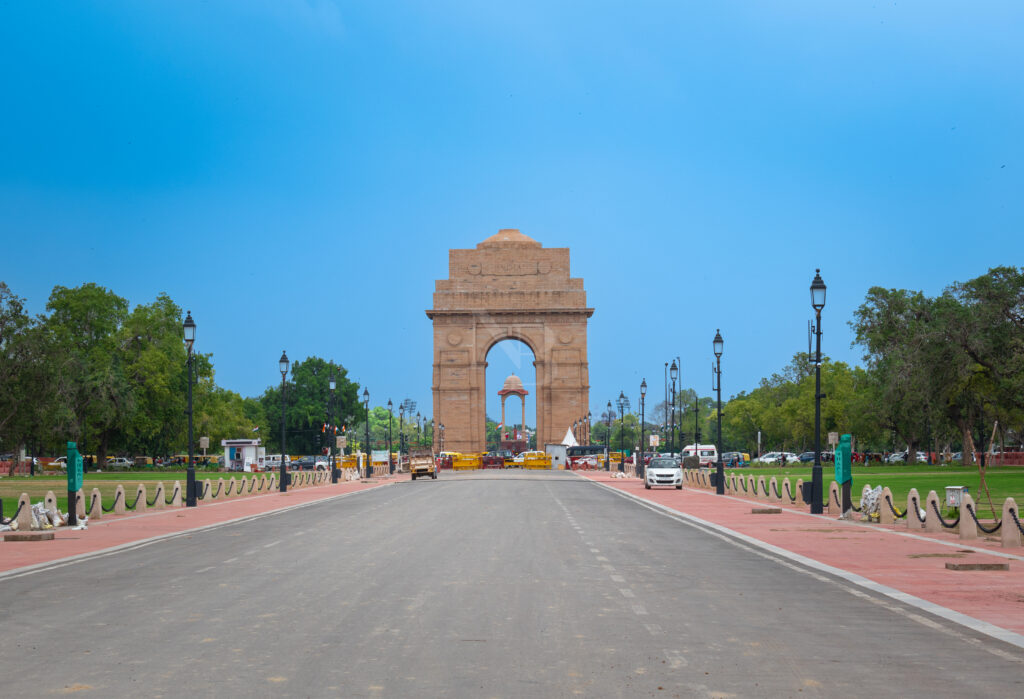
Delhi and Agra can be seen in a brief visit. Delhi is India’s capital with monuments like the Red Fort and Qutub Minar, but it can be smoggy and chaotic. Agra’s Taj Mahal (in Uttar Pradesh) is a bucket-list site; consider a sunrise tour. However, many travelers limit Delhi/Agra to 1–2 days, then move on. Kashmir (north of Delhi) is beautiful but currently has security concerns, so it’s best avoided for now. The Golden Triangle circuit (Delhi-Agra-Jaipur) is famous, but it’s very touristy – you may only want Jaipur’s highlights or to skip it entirely on your first trip.
Cultural Note: Always remove shoes and cover heads when entering temples, gurudwaras or mosques. Public displays of affection are frowned upon. Greet locals with folded hands (“Namaste”) and a smile; Indians are often friendly and curious about foreigners.

Scams – Just Stay Aware
India is generally safe for tourists who use common sense. Violent crime against travelers is rare, but petty theft can happen in crowded places. Keep valuables secured in busy markets, trains, and festivals. For example, pickpocket attempts have been reported during big events like Holi, so stay vigilant and keep an eye on bags.
Tourist scams typically involve overcharging. Tuk-tuk and taxi drivers often quote inflated fares or refuse meters – always insist on the meter or agree on a fare beforehand. Market vendors likewise expect polite bargaining; don’t pay the first price they quote. In Rajasthan and Delhi, common traps include fake “tour guides,” overpriced camel rides or gem shops. In these areas, use licensed tour operators and confirm all prices in writing. Be especially cautious if a stranger offers you special deals or gives unsolicited advice (a classic “holy man” trick is to pretend to bless you and then demand a big donation).
Children begging on the streets can be heartbreaking, but giving money can fuel exploitative rings. It’s kinder to offer something practical (like food) instead of cash.
High-Risk Areas: Some parts of India have security advisories. For instance, the U.S. State Department warns of violence in tourist spots in Kashmir (Srinagar, Gulmarg, etc.), and of Maoist (Naxalite) activity in central/eastern states like Chhattisgarh, Jharkhand, and eastern Maharashtra. Foreign tourists generally need special permits to visit remote border states (e.g. Arunachal Pradesh and Sikkim). As a first-time visitor, consider focusing on safer regions (below) and checking current travel advisories if you plan to venture into conflict zones or remote border areas. Always register with your embassy (STEP or consular services) and have local emergency numbers handy.
Final Thought
With thoughtful planning and awareness, your first trip to India can be a once-in-a-lifetime adventure. Focus on the welcoming south, east and hill regions, immerse yourself in local culture, and use common sense to stay safe. Follow the visa rules, watch out for common scams, and dress modestly. We hope these tips help you experience India’s beauty (from Kerala’s backwaters to Udaipur’s palaces) without unnecessary hassle. If you follow this first time India travel guide, you’ll avoid most common mistakes travelers make.
If you enjoy detailed travel journeys, you can explore more of our Travel Blogs here.
Safe travels and Namaste 🙏


Pingback: One Day in Trivandrum: A Perfect 1-Day Itinerary | NeonBrothers