Deoria Tal Tunganath itinerary : Our Haridwar Circuit
This post is part of our Travel Blogs series with Deoria tal & Tunganath itinerary. Just couple of months back in December 2025, five of us travelled from Mumbai to Haridwar by train (22659 from Panvel) to begin a winter road trip through Uttarakhand. The plan was not to rush between destinations but to cover a well‑balanced circuit that included spiritual towns, Himalayan treks, and mountain scenery, all within six days.
After reaching Haridwar around 1 PM, we hired an Ertiga for the entire trip, which turned out to be one of the best decisions we made, especially given the winter conditions. Our route included Ukhimath, Chopta, Deoria Tal, Pipalkoti, Auli, and Kalpeshwar, before returning back to Haridwar.
This itinerary is based entirely on how we actually travelled — road conditions, winter challenges, realistic timelines, and what worked (and what didn’t) during a December trip to Uttarakhand.
If you love slow hill travel and scenic road journeys, you may also enjoy our other Uttarakhand experiences like Nainital and Mukteshwar.
Trip Overview
- Month of travel: December 2025
- Duration: 5 nights / 6 days
- Group: 5 friends
- Reached Haridwar: By train (22659 from Panvel, arrival ~1 PM)
- Local transport: Ertiga hired for complete circuit
- Route covered:
Haridwar → Ukhimath → Chopta → Deoria Tal → Tunganath→ Auli (day trip) → Kalpeshwar → Haridwar
This route is suitable even in winter, provided weather conditions are monitored and nights in higher-altitude regions are planned carefully.
Day 1: Mumbai to Haridwar – Journey and First Night
We travelled overnight from Panvel to Haridwar by train and reached around 1 PM. After a long journey, we checked into Hotel Alpana, which is a convenient and no‑nonsense option for travellers arriving by train.
Since we reached in the afternoon, the day was kept simple. In the evening, we visited Har Ki Pauri for the Ganga Aarti. Despite the crowd, the atmosphere is powerful and sets the tone for a trip that is as spiritual as it is adventurous.
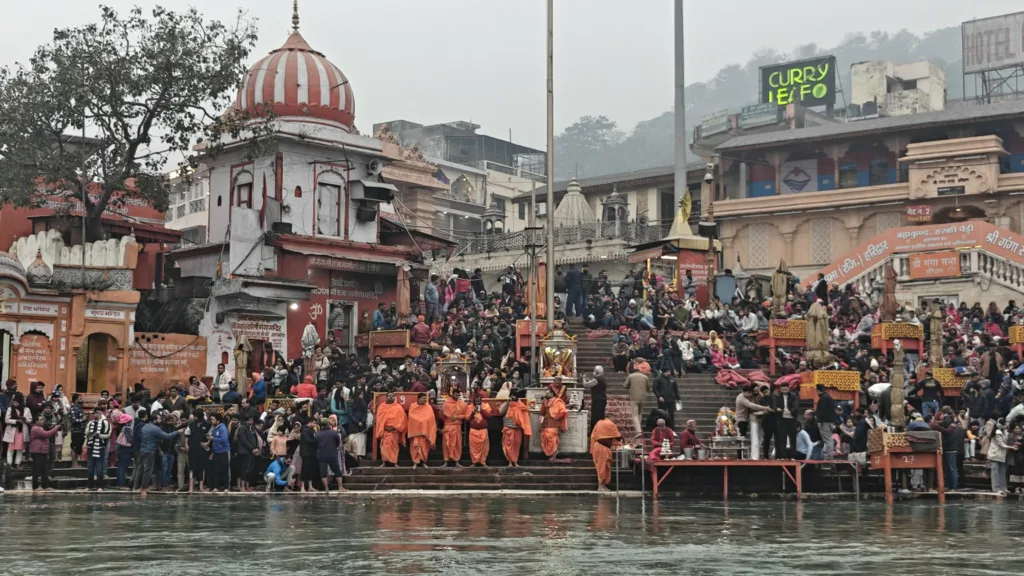
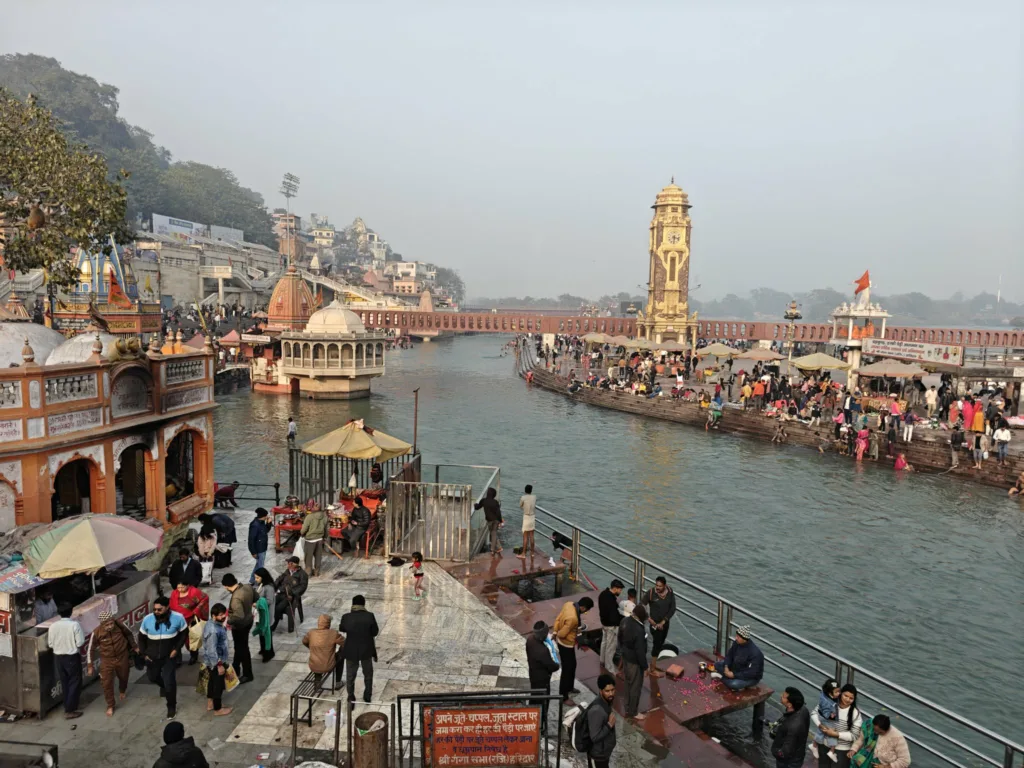
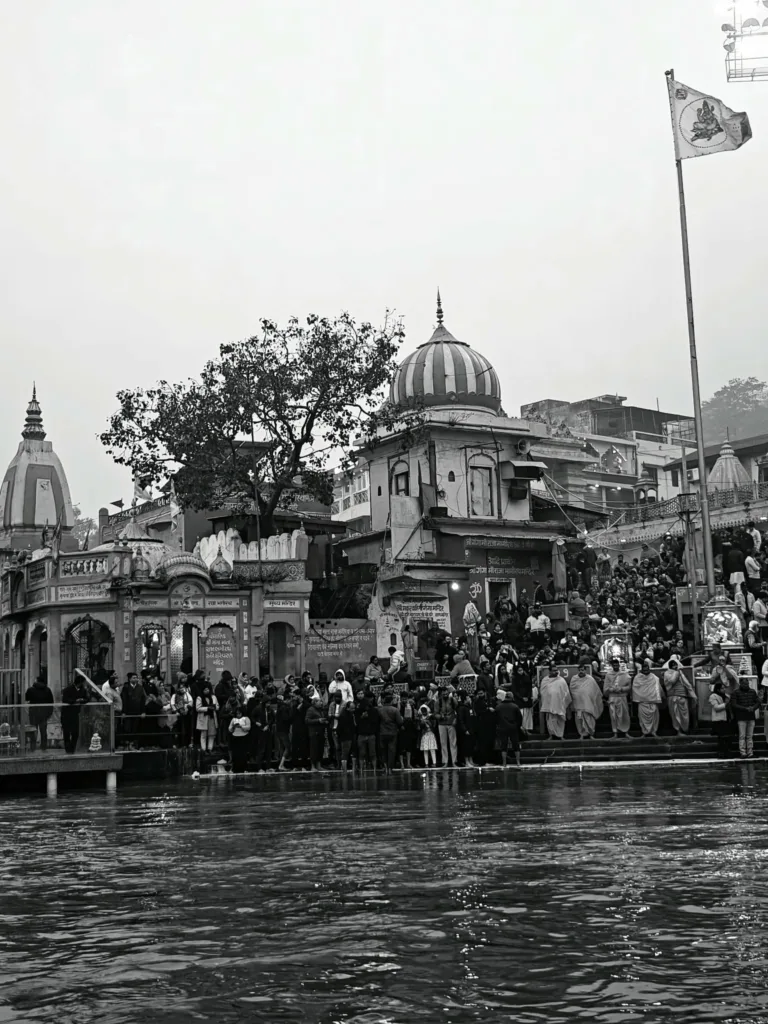
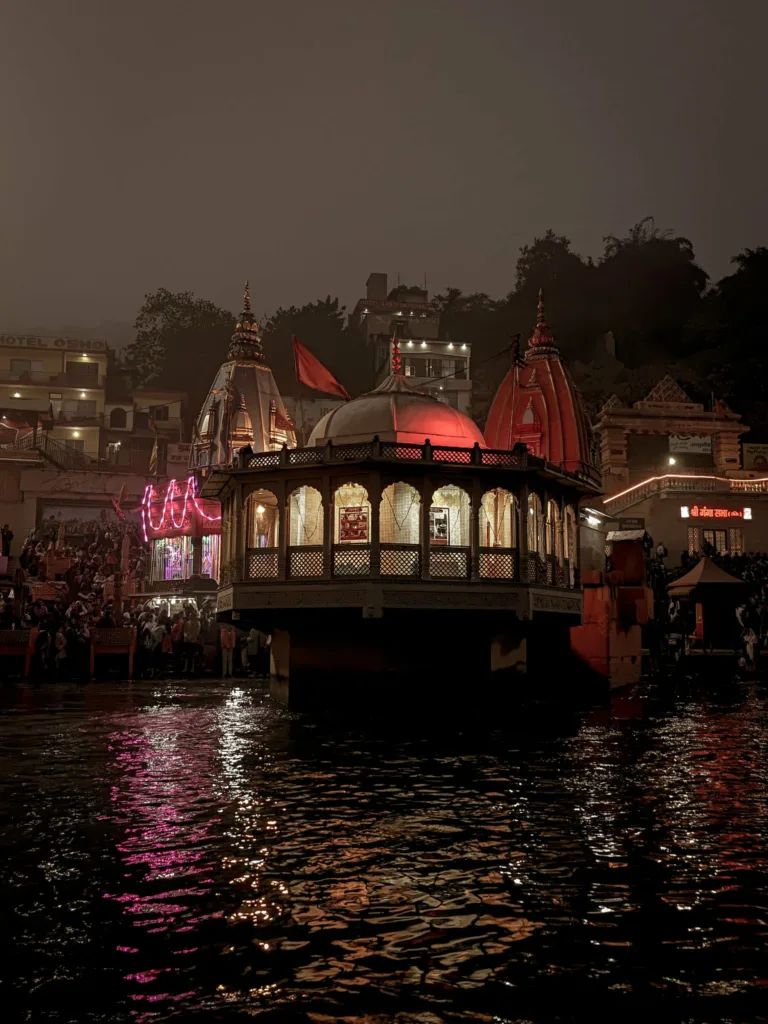
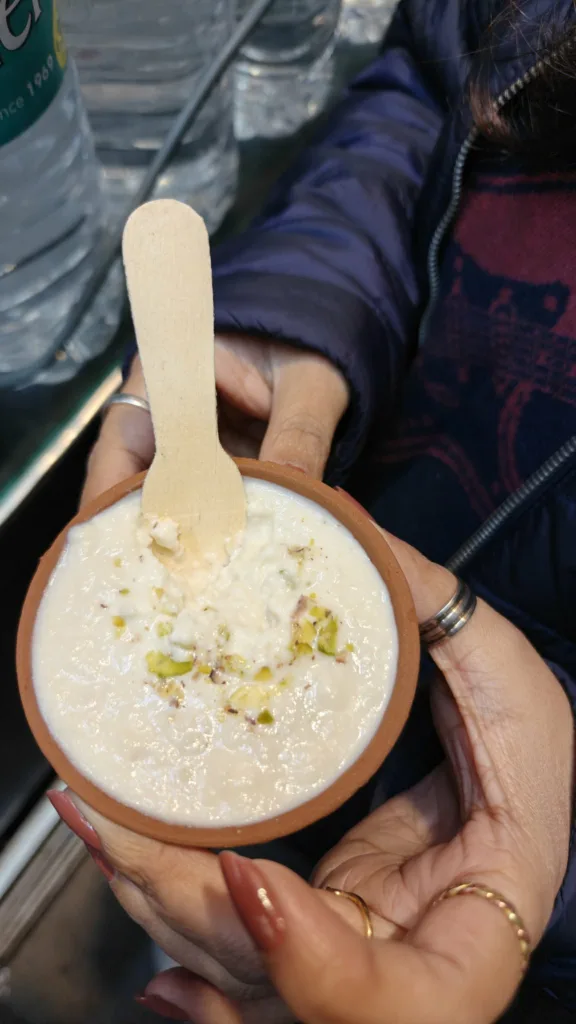
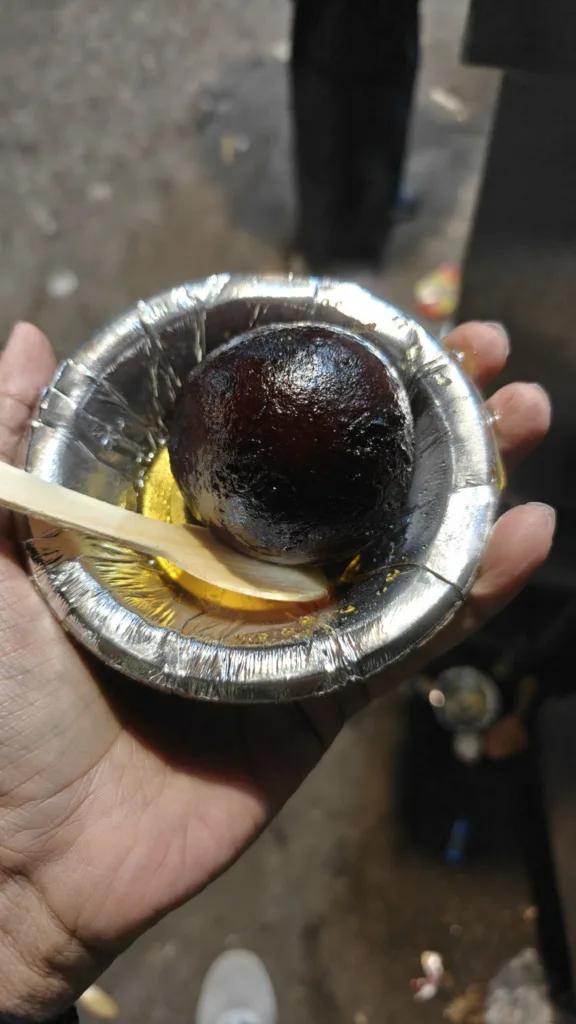
Day 2: Haridwar to Ukhimath – Entering the Mountains
Early the next morning, we began our road journey towards the Garhwal region. Having a single vehicle for the entire trip helped hugely — no waiting, no negotiating at every stop, and complete flexibility to pause wherever we wanted.
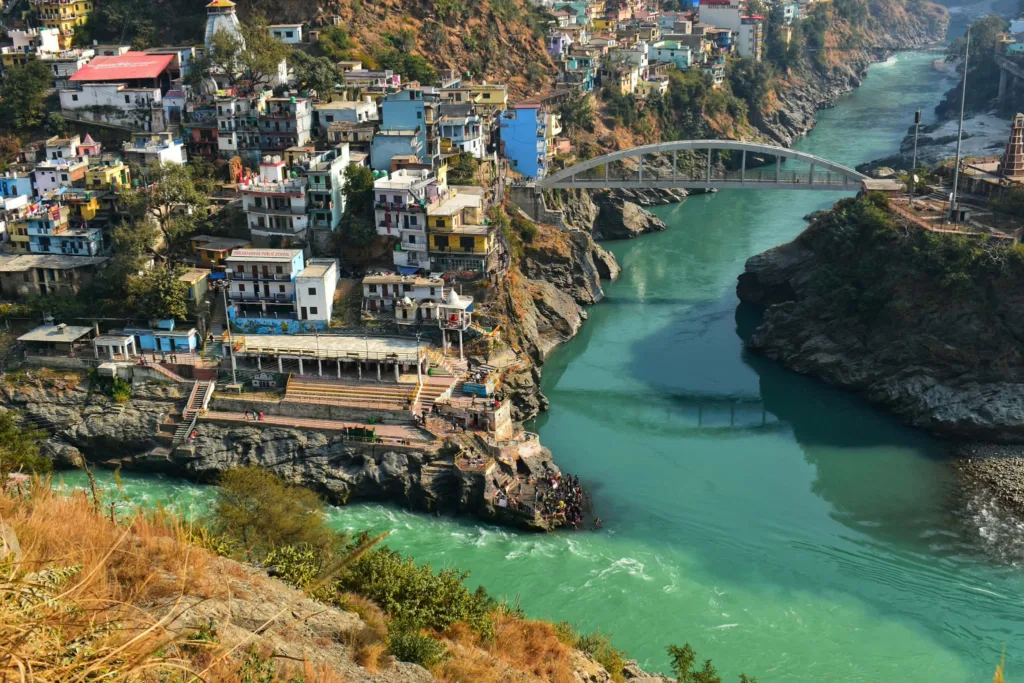
The drive from Haridwar to Ukhimath is long but incredibly scenic, with the plains slowly giving way to winding mountain roads and river valleys. We made our first major stop at Devprayag, the sacred confluence where the Alaknanda and Bhagirathi rivers meet to officially form the Ganga. Watching the two rivers merge, each a different shade, is one of those moments that quietly reminds you that the journey itself is the destination.
Further ahead, we passed through Rudraprayag, another important confluence town, before making a brief stop at Dhari Devi Temple, dramatically located on a rock outcrop in the middle of the Alaknanda river. The temple has a powerful, almost raw presence, and stopping here added a spiritual pause to an otherwise long drive.
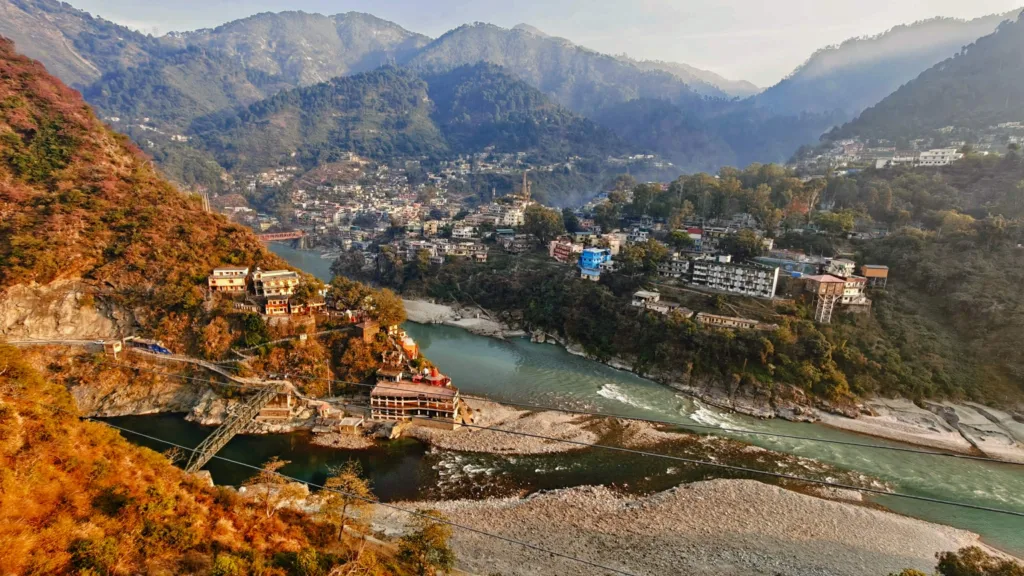
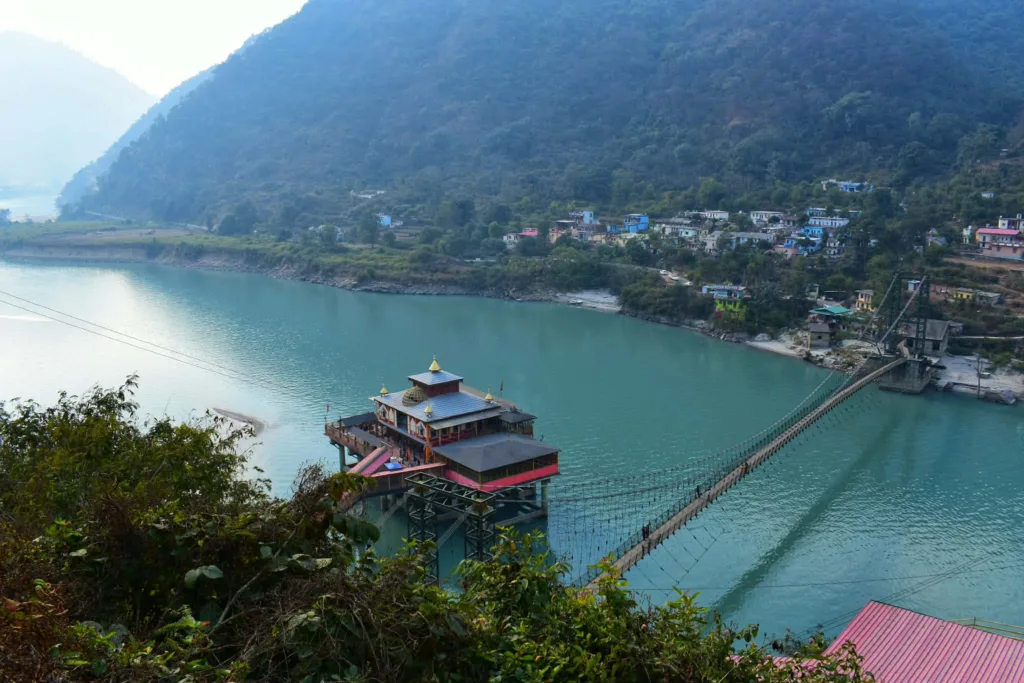
By the time we reached Ukhimath, the crowds had thinned noticeably. The town was quiet, noticeably colder in December, and far less touristy compared to Chopta. Staying here on our first night in the mountains helped us ease into higher altitudes without fatigue, making the next day’s trek to Deoria Tal far more comfortable.
Day 3: Ukhimath to Chopta and Deoria Tal Trek
Our day from Ukhimath began on a deeply spiritual note. Before heading towards Deoria Tal, we attended the early morning aarti at Omkareshwar Temple, where Lord Kedarnath is worshipped during the winter months when the Kedarnath shrine is closed. The atmosphere during the aarti was calm and powerful — quiet chants echoing through the cold mountain air, with locals joining in devotion. Experiencing this felt special, almost grounding, before the physical demands of the day ahead.
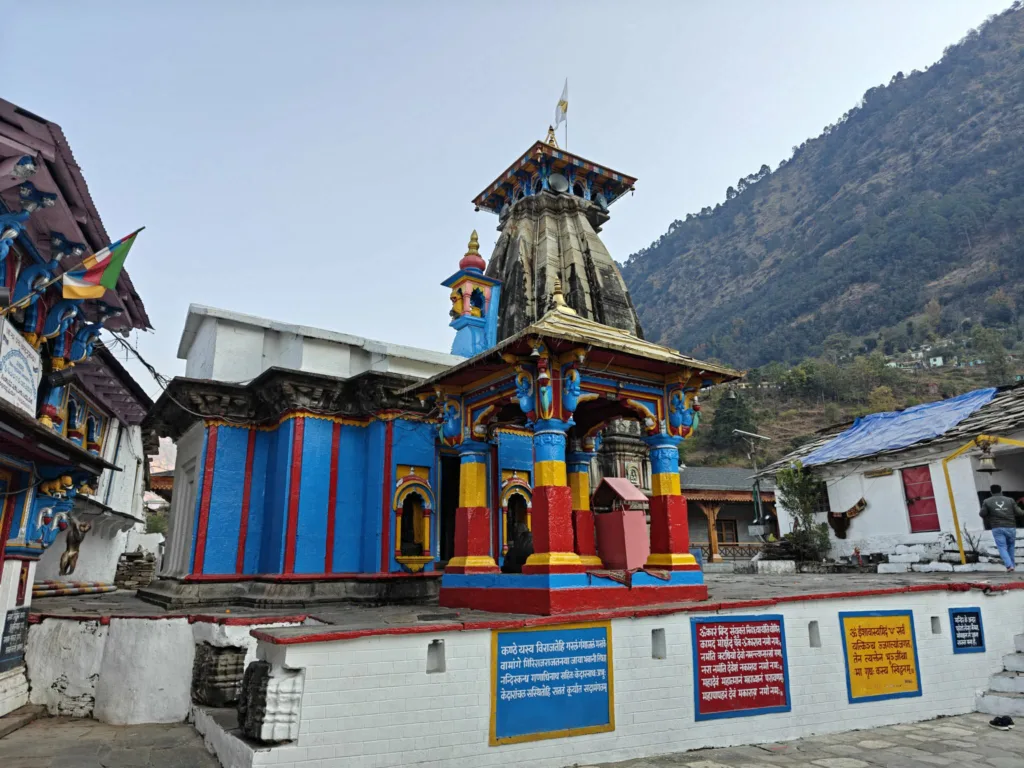
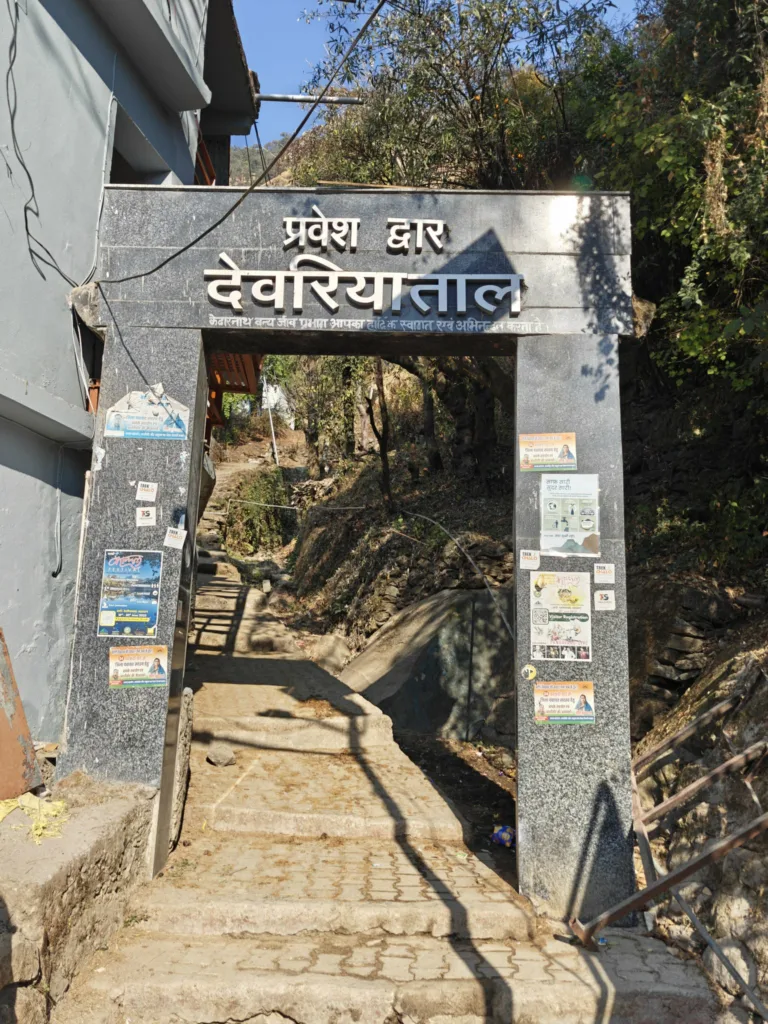
After the aarti, we drove towards Sari village, the base point for the Deoria Tal trek. The road journey up to Sari is smooth and scenic, gradually climbing through forested stretches and small mountain settlements. From Sari village, the trek to Deoria Tal begins.
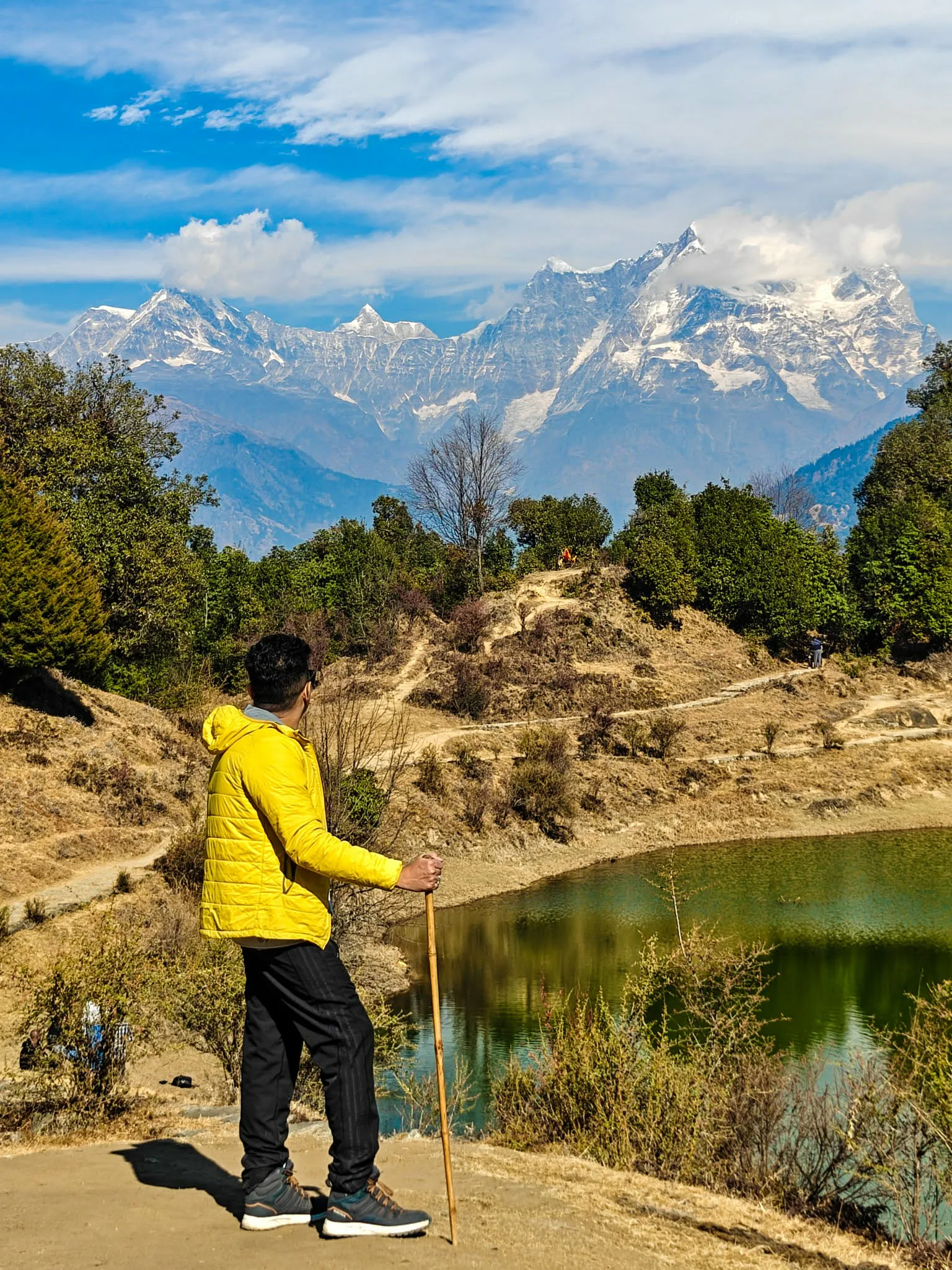
The trek itself isn’t very long, but it is physically demanding, especially in winter. The trail becomes rocky and uneven near the top, with steep sections that require proper trekking shoes and patience. While the distance is manageable, the combination of altitude, cold weather, and incline makes it more challenging than it appears on paper.
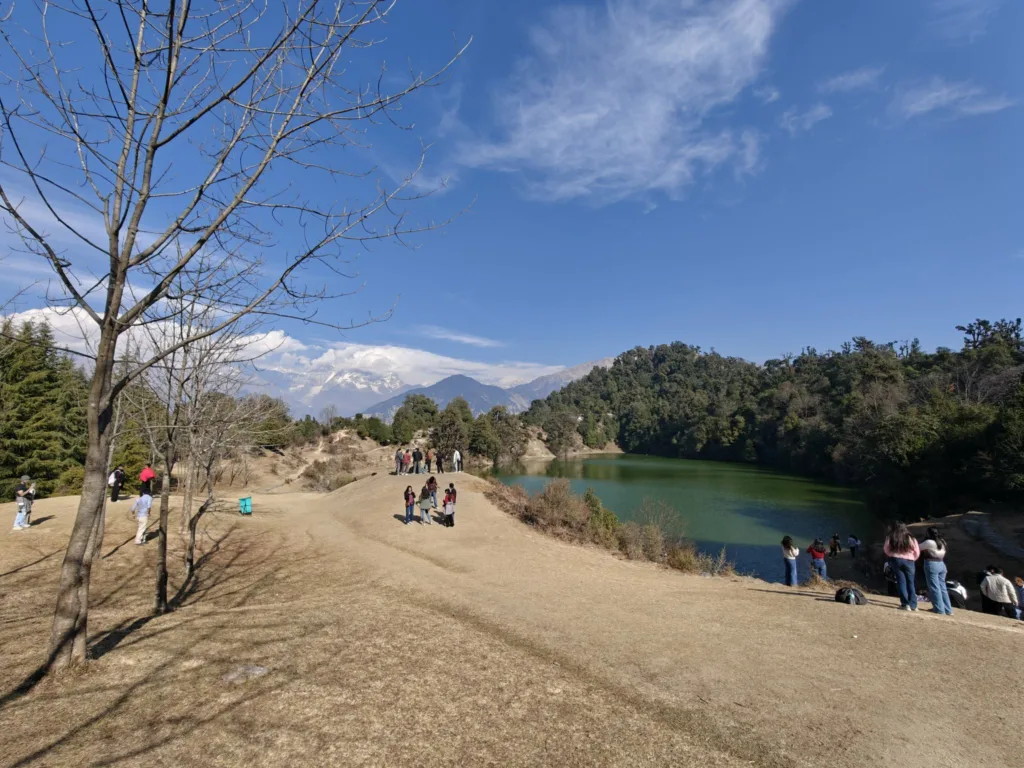
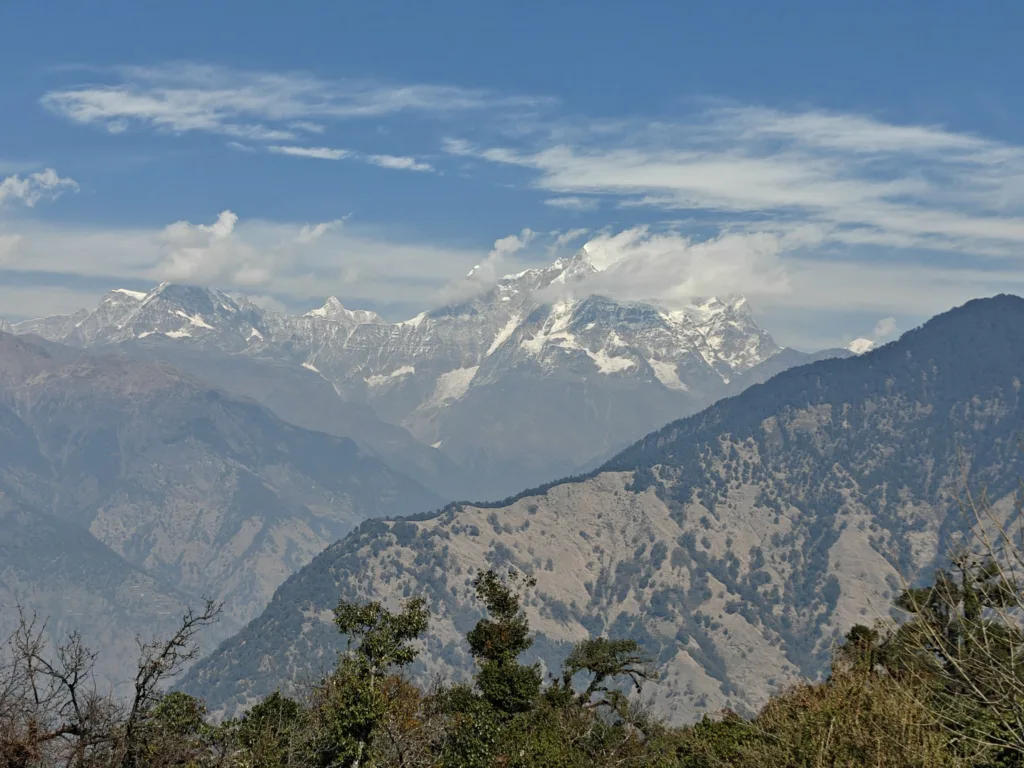
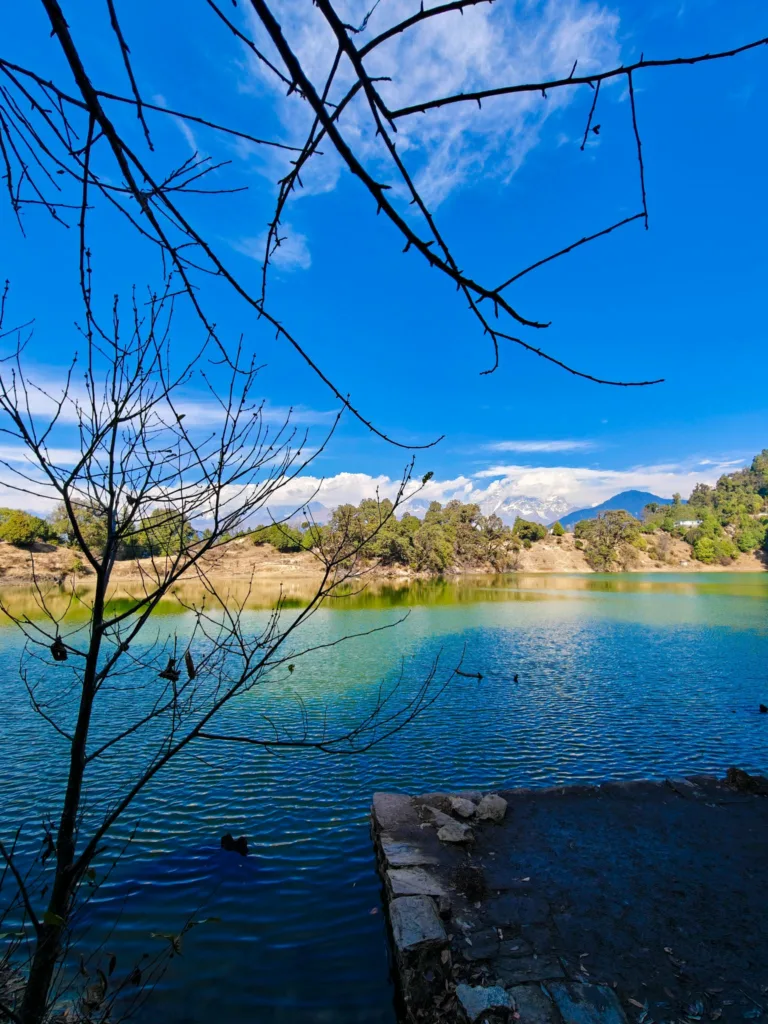
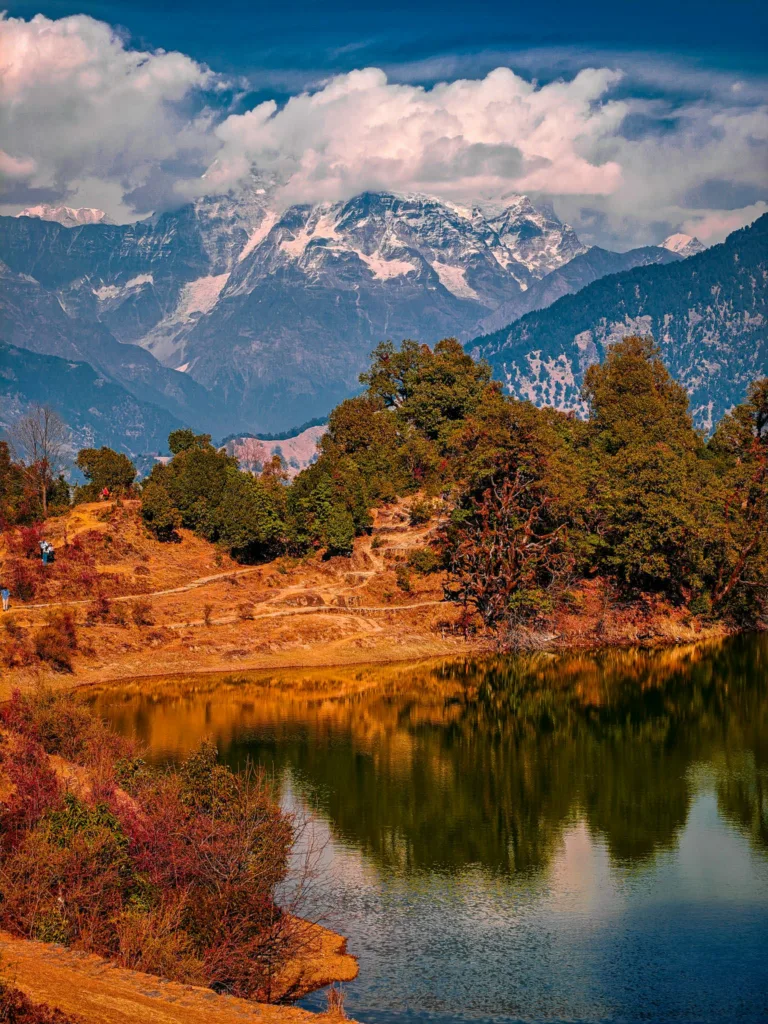
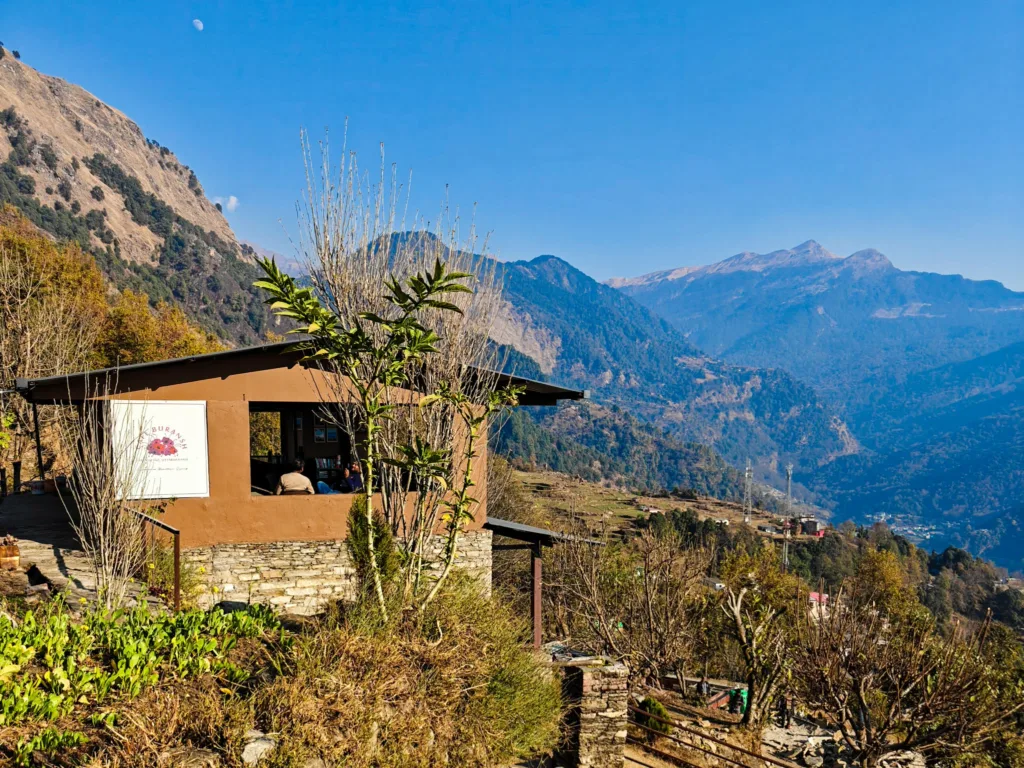
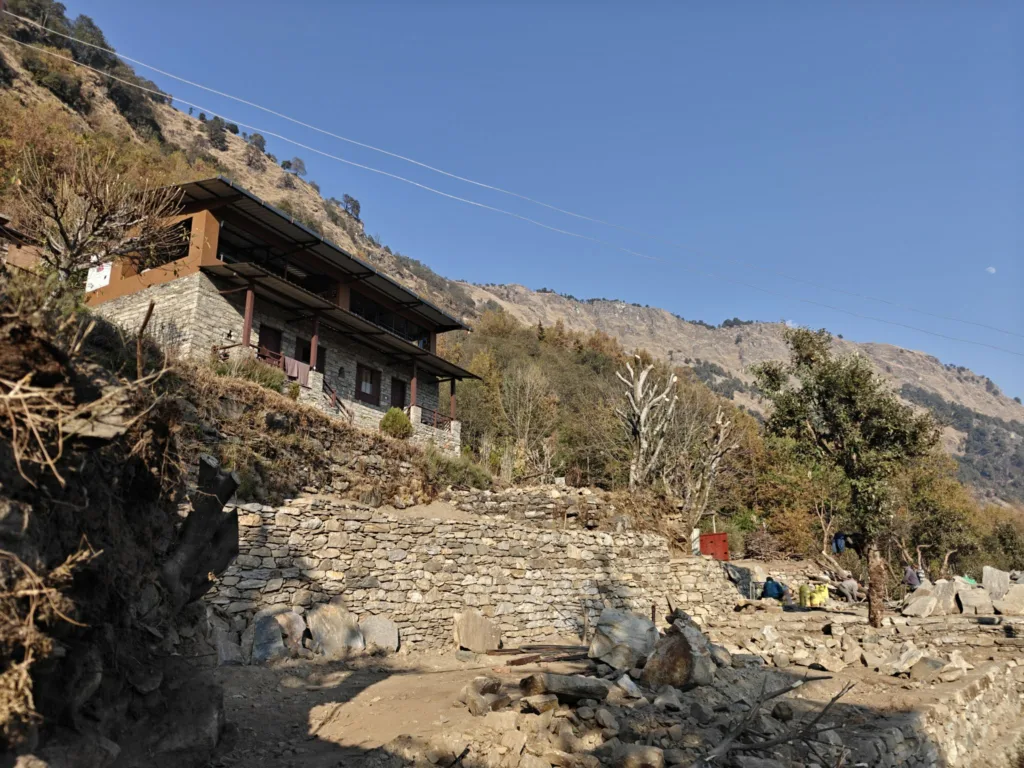
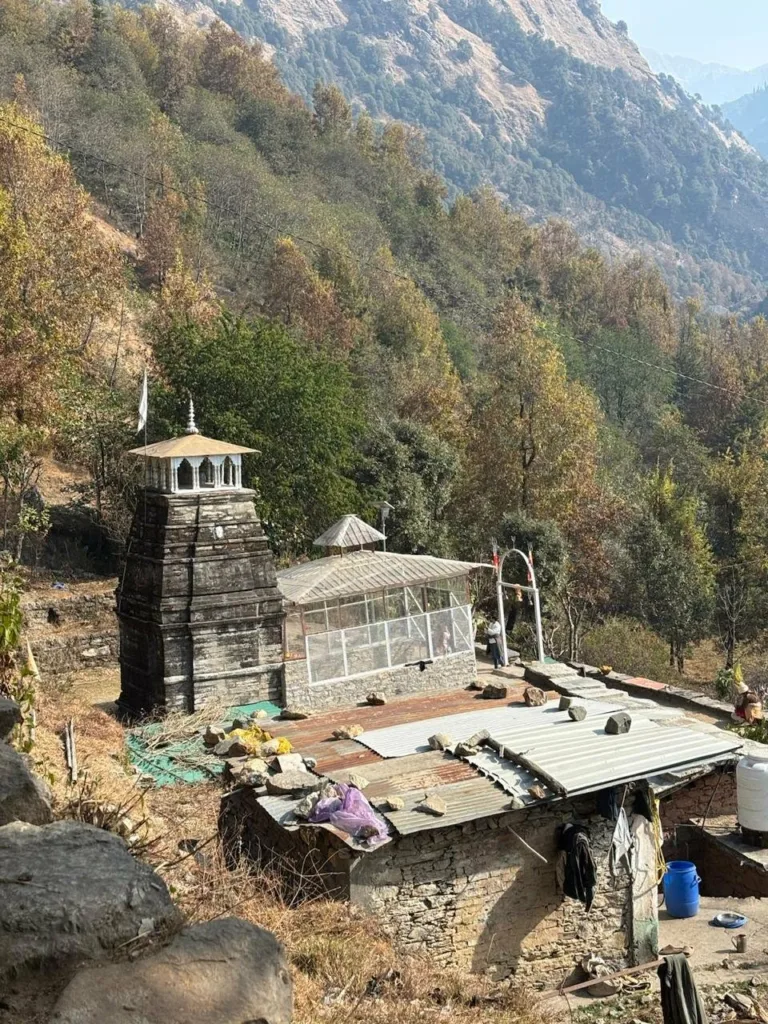
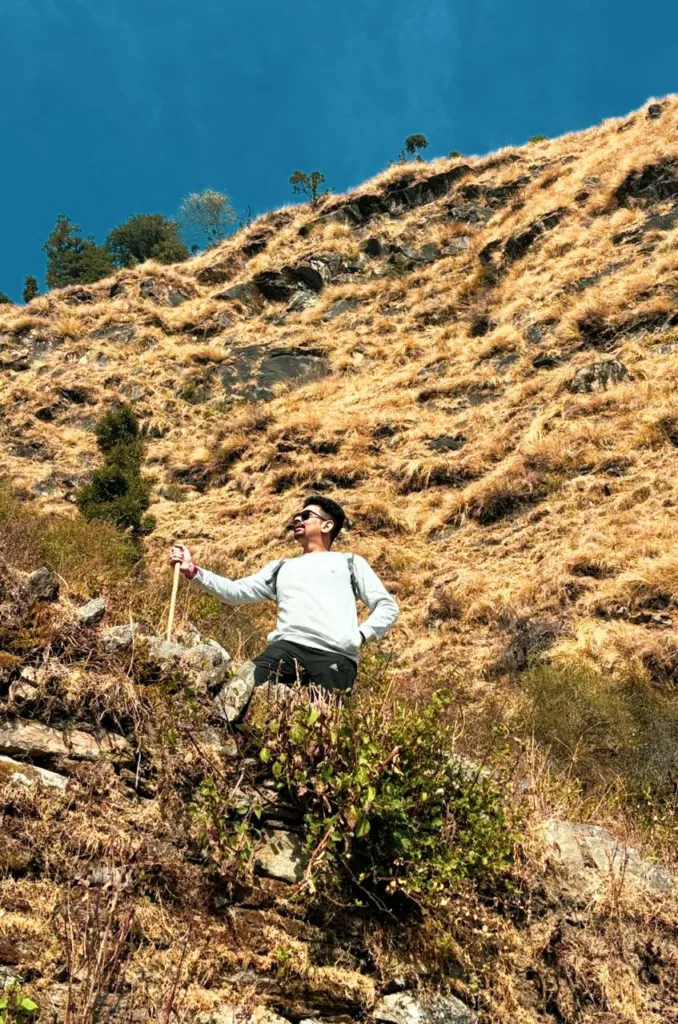
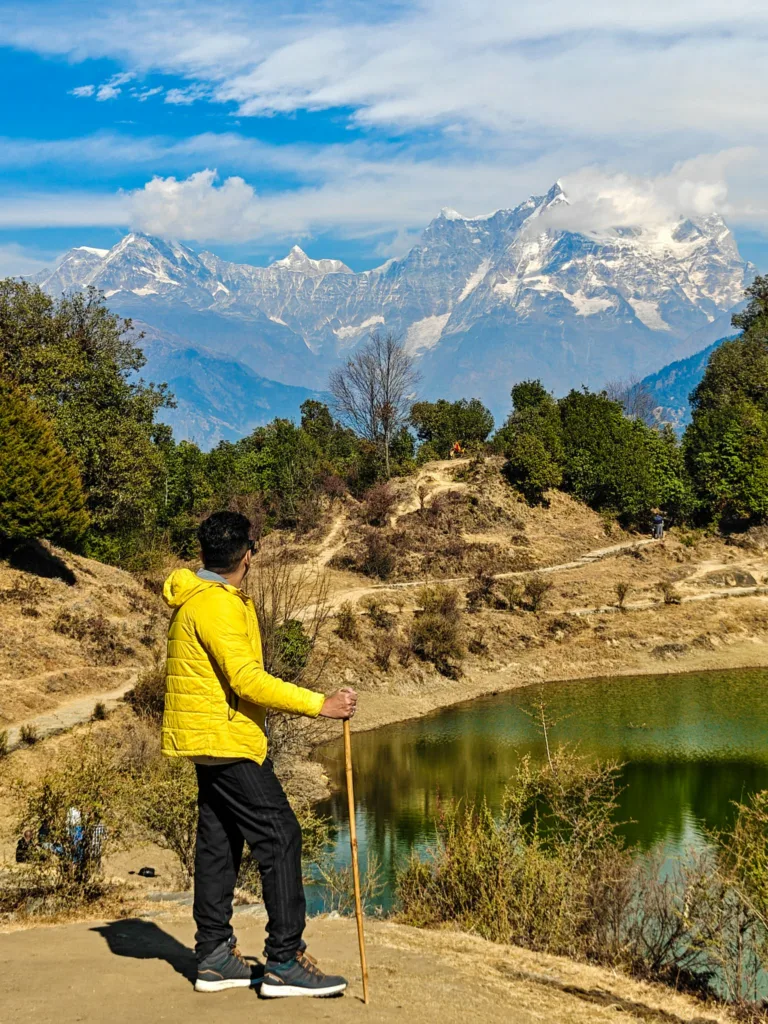
We completed the trek to Deoria Tal and returned the same day. Although atmospheric, the cold conditions were intense, and we decided against staying overnight near the lake. The decision worked well for us, as descending before dark felt safer and far more comfortable. If untouched nature and calm landscapes excite you, our Andaman trip captures a very different but equally soul‑soothing side of travel.
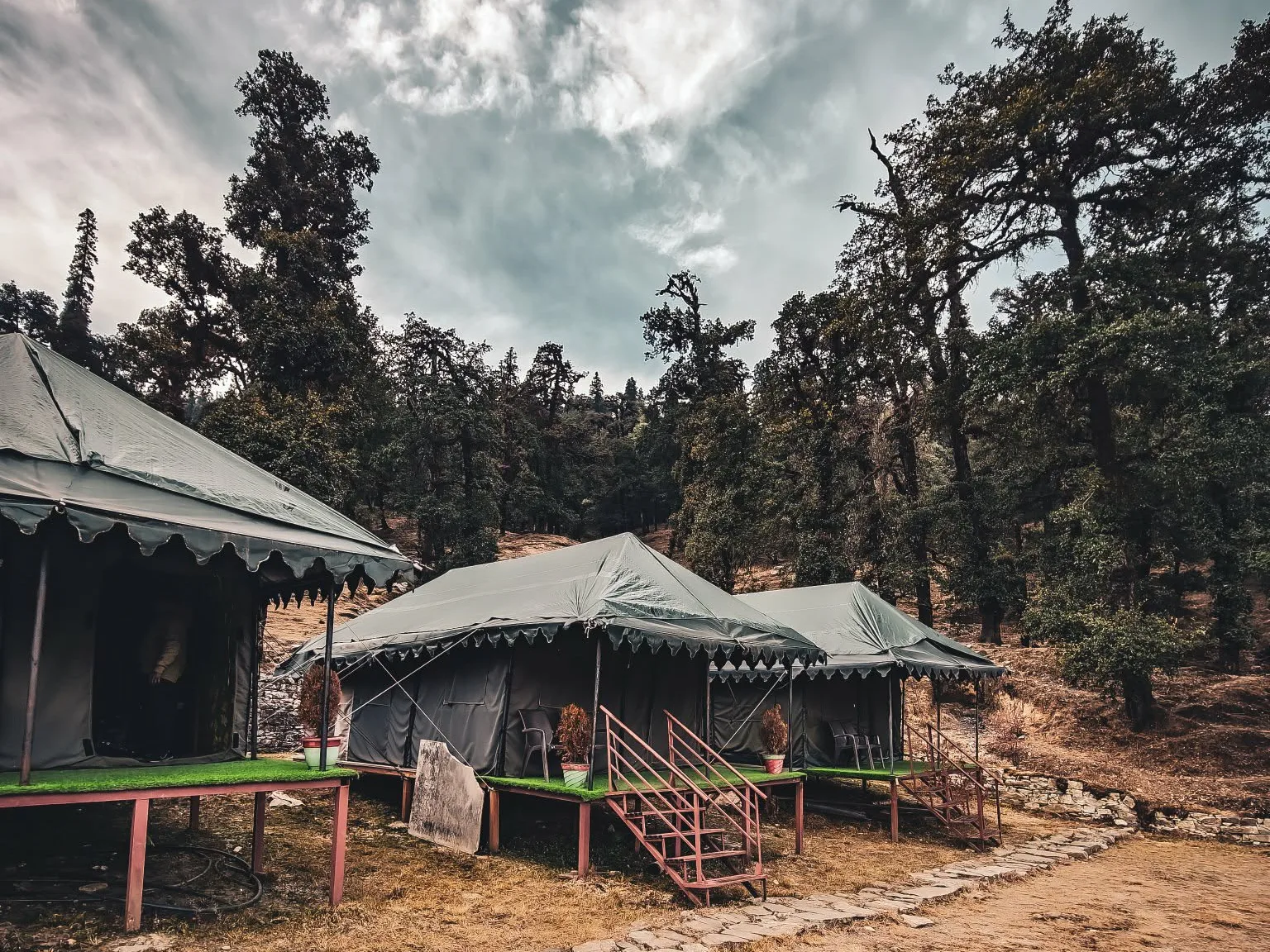
By evening, we reached Chopta, where we stayed in tents for the night. This turned out to be one of the coldest experiences of the entire trip. Temperatures dropped sharply after sunset, and despite there being no snow on the route, the cold was piercing. Layers, warm sleeping bags, and mental preparation were essential to get through the night.
Day 4: Tunganath Trek and Drive to Pipalkoti
We started early for the Tunganath trek to stay ahead of crowds and avoid unpredictable mountain weather. Even in December, beginning early made a noticeable difference — the trail felt calm and unhurried, allowing us to walk at our own pace.
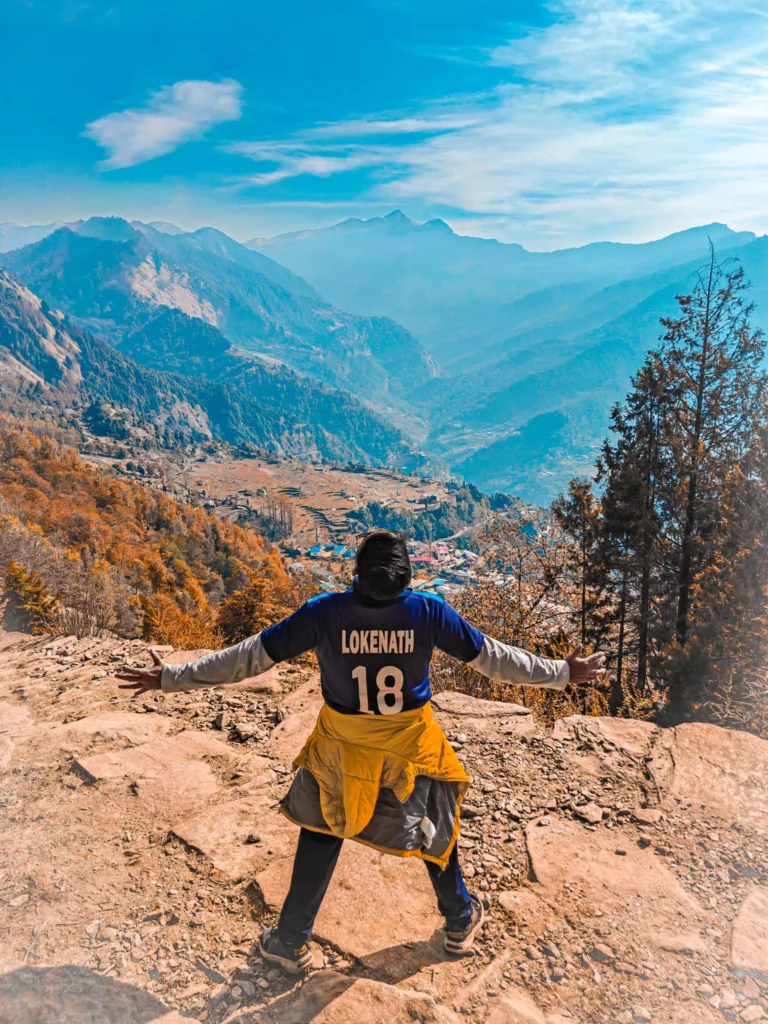
The trek from Chopta to Tunganath is stone‑paved throughout, which makes the climb manageable despite the steady incline. As we gained altitude, the scenery became more dramatic — rolling alpine meadows, patches of forest, and wide open views of the surrounding Himalayan peaks. The air grew thinner and sharper, and the cold wind added to the challenge, especially in exposed sections of the trail.
During our visit, there was no snow on the route, but the temperature near the temple was freezing. By the time we reached Tunganath Temple, the highest Shiva temple in the world, the surroundings were almost surreal. There were very few people, and a deep sense of quiet hung in the air. The temple itself felt small against the vast mountain backdrop, but the atmosphere was powerful — calm, still, and deeply spiritual. The temple was closed though
.
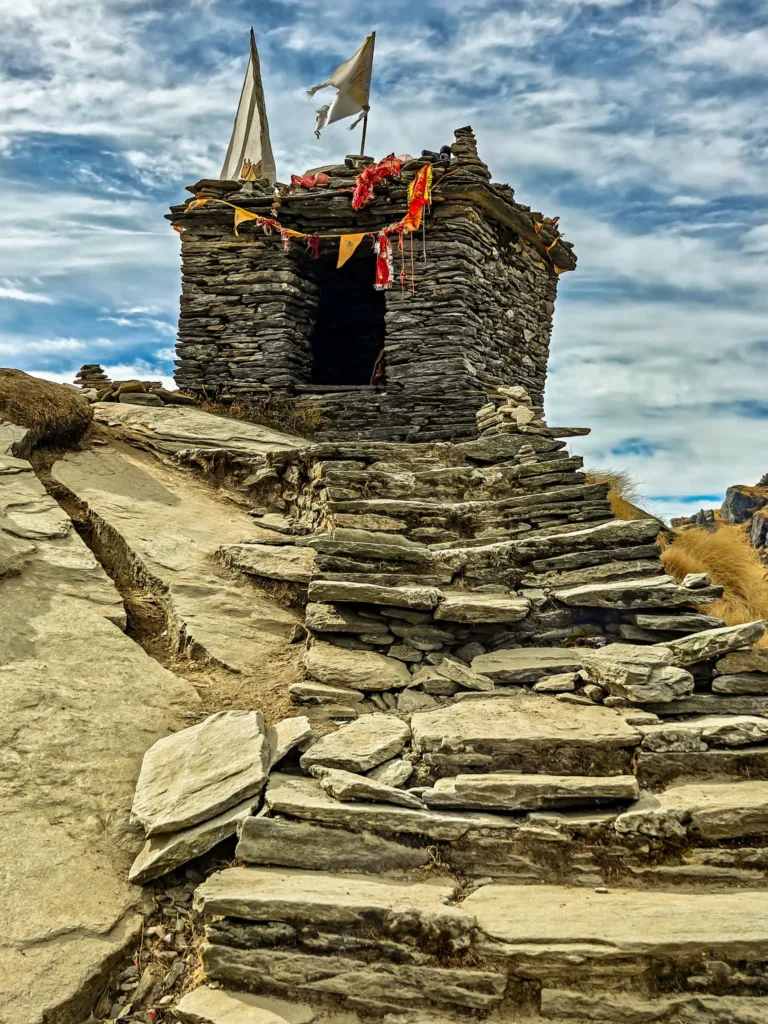
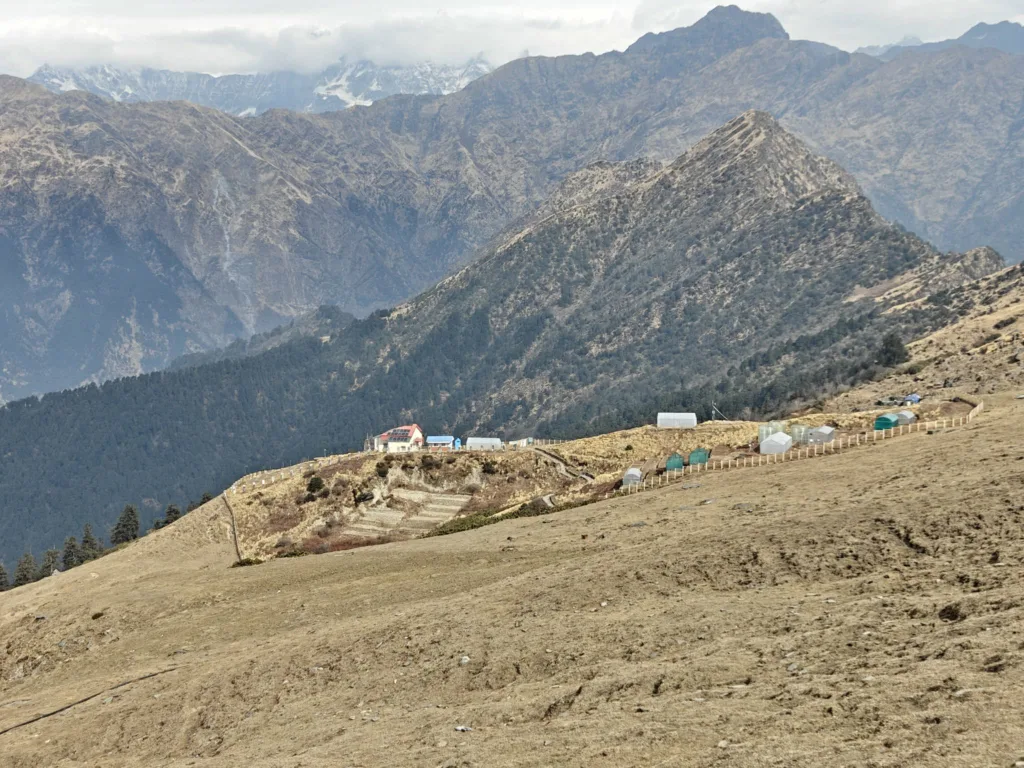
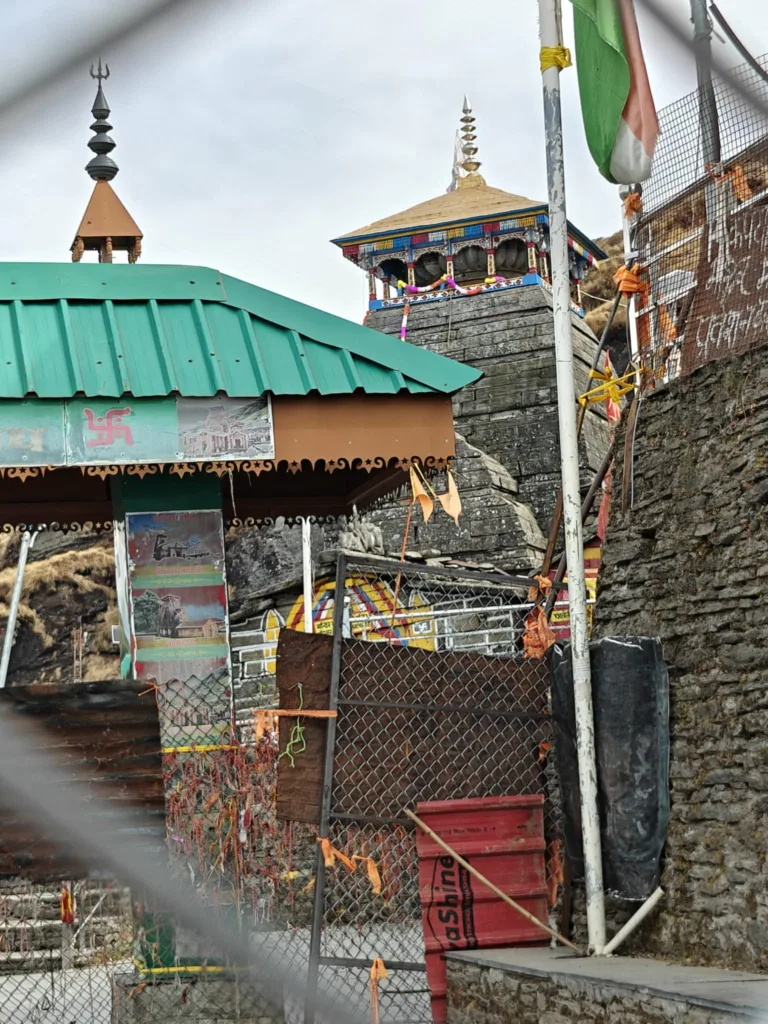
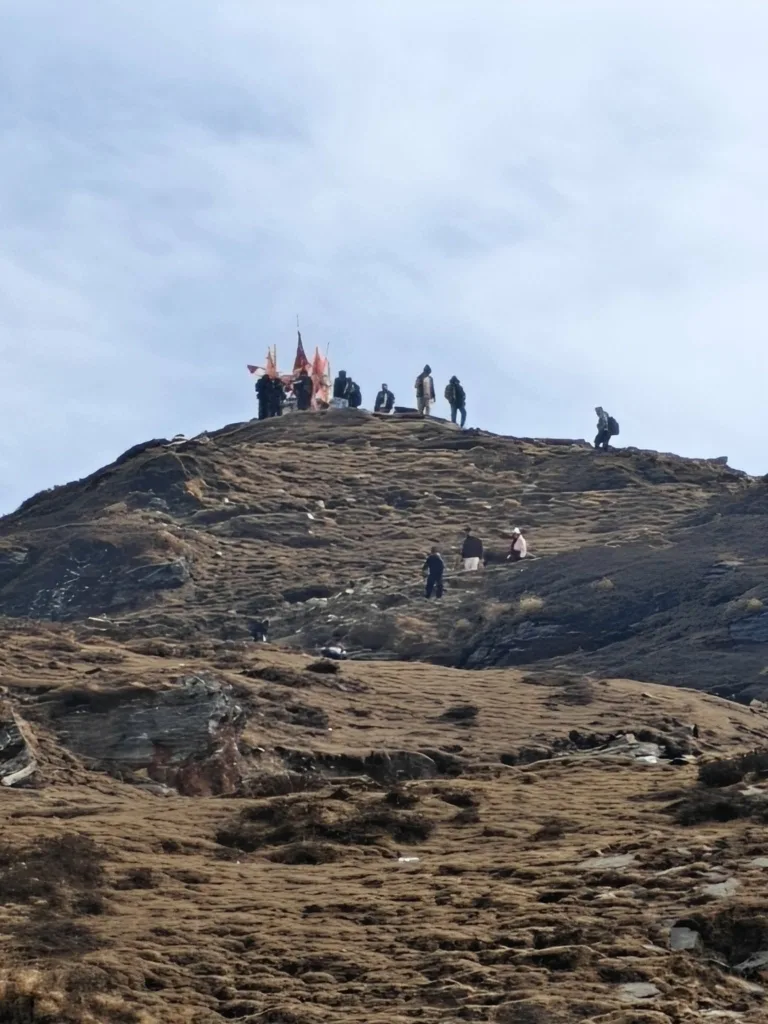
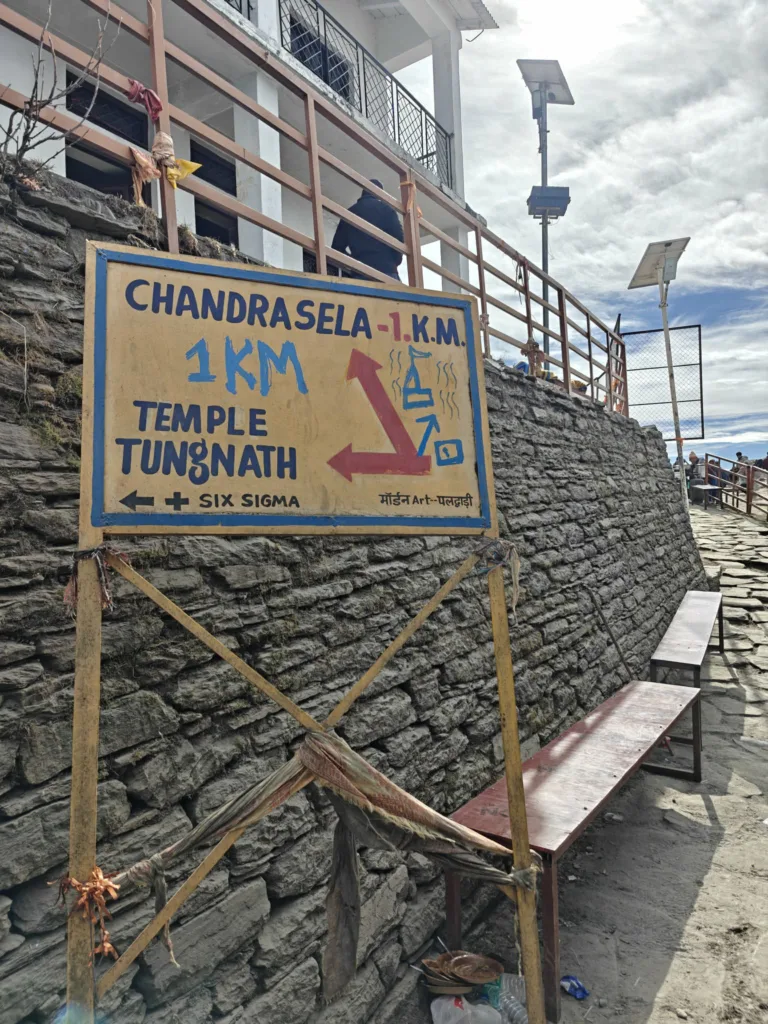
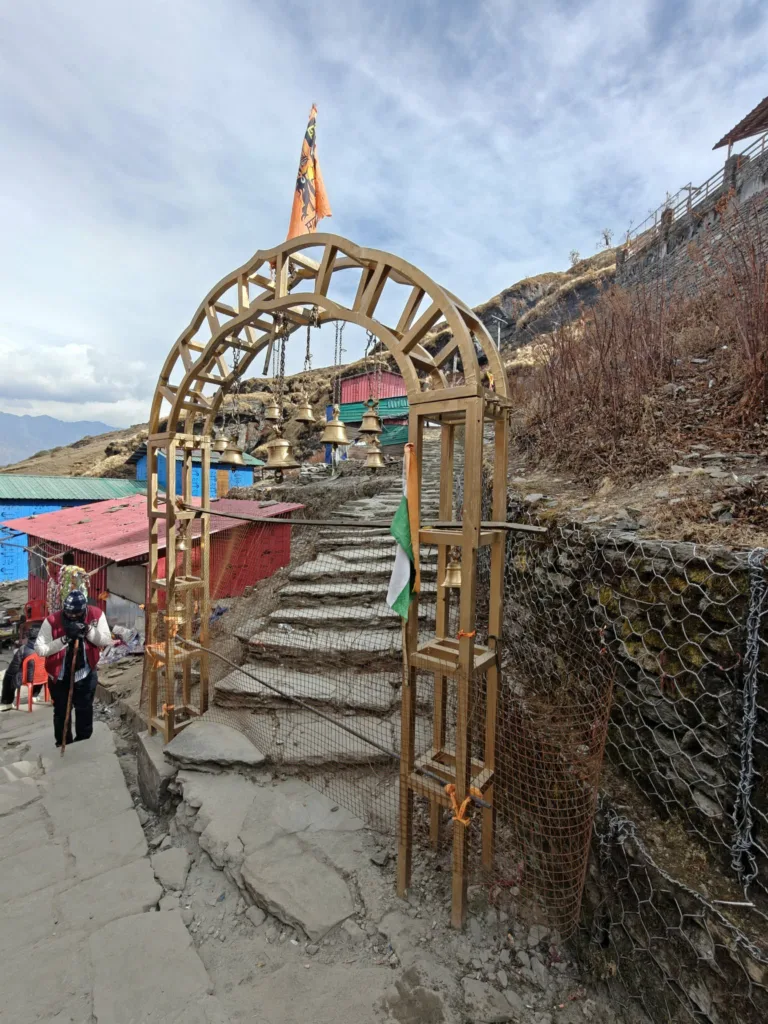
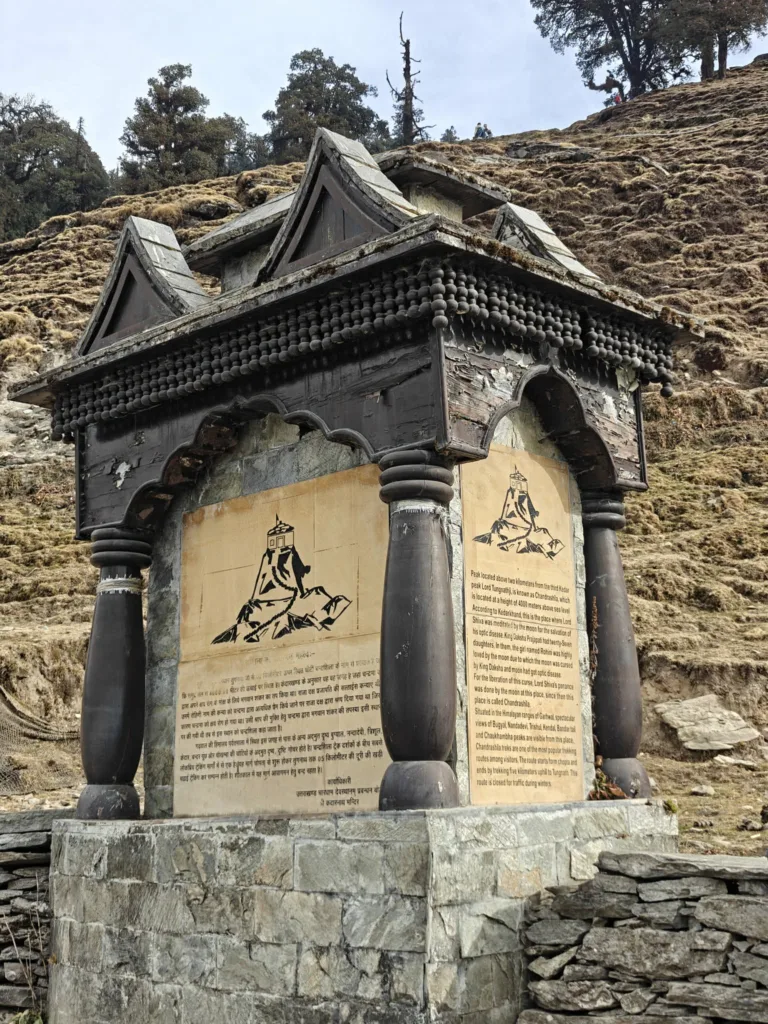
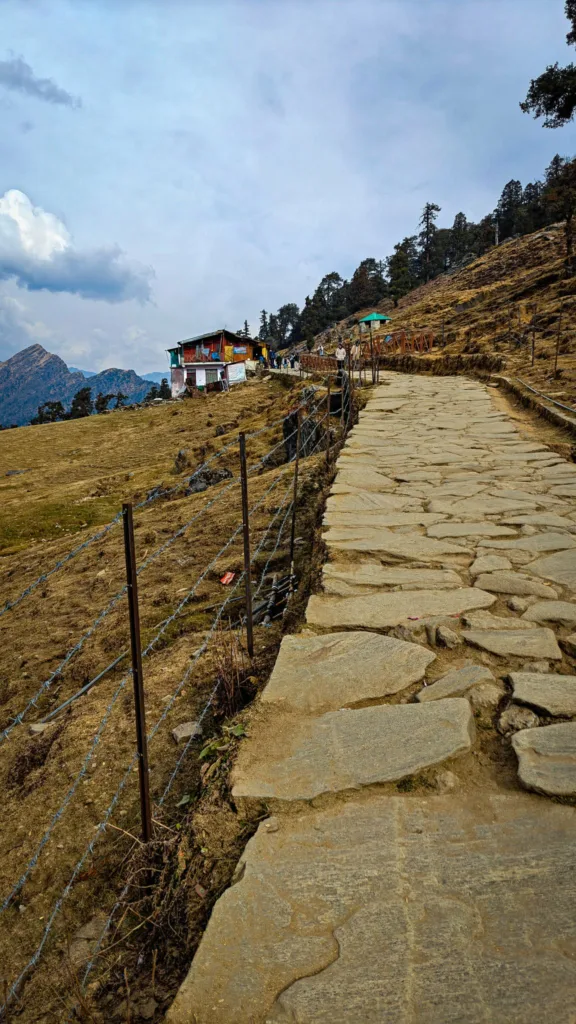
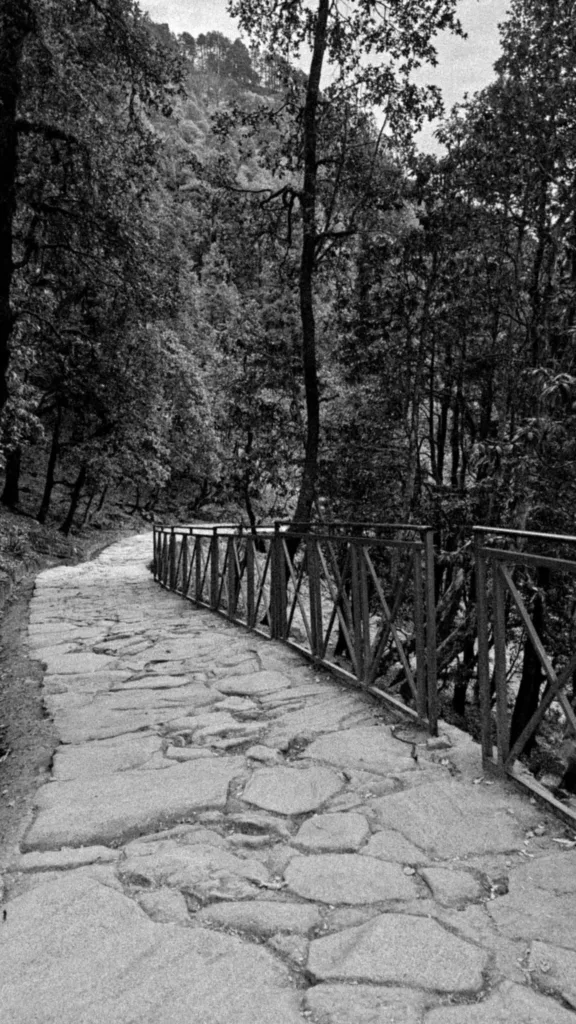
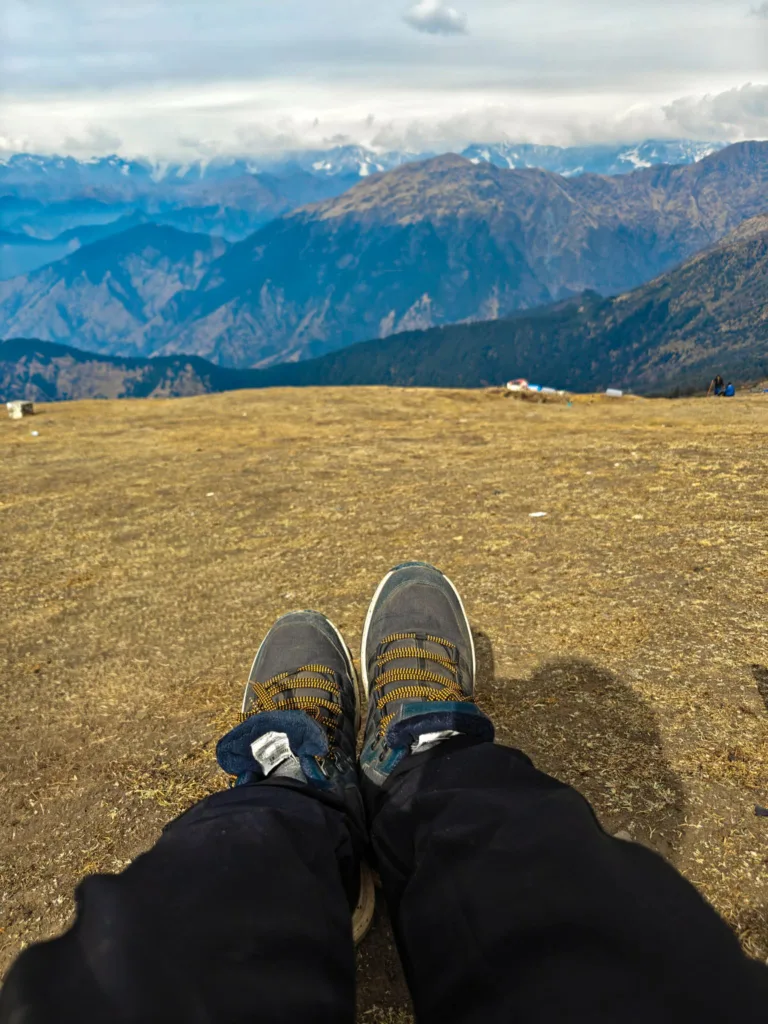
Originally, we had hoped to continue further up to Chandrashila summit, but by the time we reached Tunganath, it was already getting late. Considering daylight, weather conditions, and the distance remaining, we decided to skip Chandrashila and begin our descent instead. It felt like the right call — mountains demand respect, and knowing when to turn back is just as important as pushing forward. This spiritual atmosphere reminded us of other journeys where history and faith come together, like our visit to Ajanta and Ellora caves near Aurangabad.
After descending back to Chopta, we drove to Pipalkoti, which served as a comfortable and warmer base for the next day’s plan. After the cold and altitude of Chopta and Tunganath, reaching Pipalkoti felt like a well‑earned rest.
Day 5: Auli Day Trip and Kalpeshwar Visit
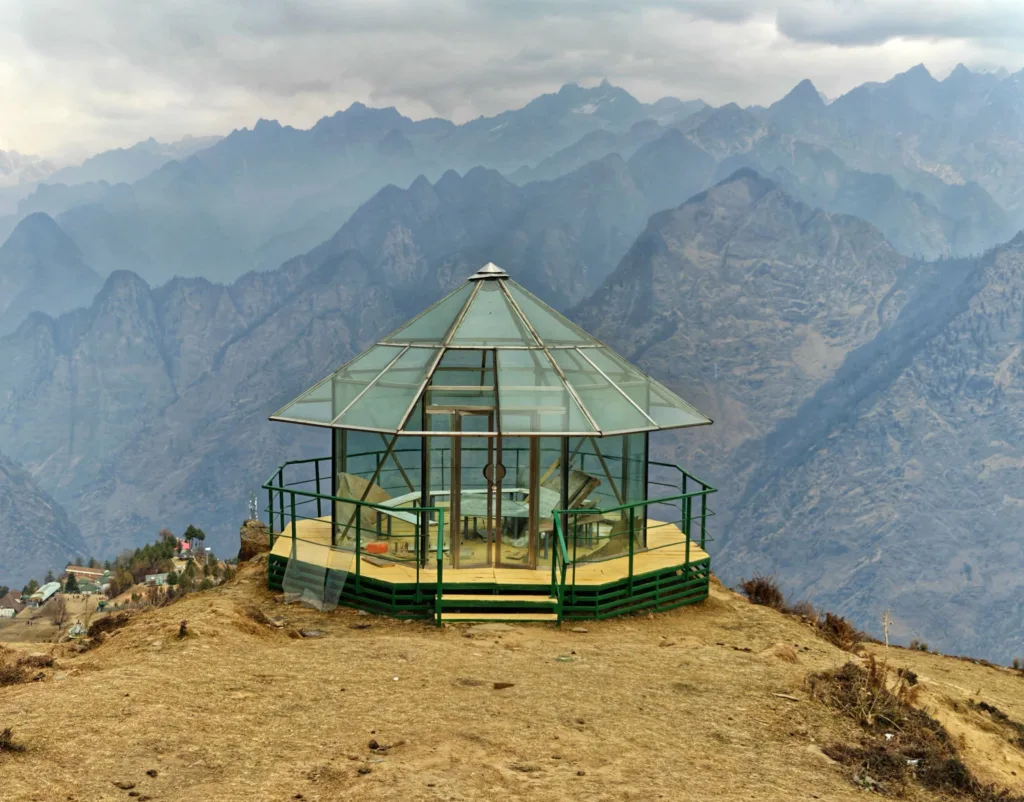
From Pipalkoti, we took a day trip to Auli, a destination best known for its winter landscapes and wide Himalayan views. December is a good time to visit if you want to experience the crisp mountain atmosphere without the heavy tourist rush that peak winter months often bring. Our first stop was Joshimath. During winter, Joshimath becomes the spiritual center as the Badrinath temple shuts due to heavy snow and extreme cold.
Badri Ji is then worshipped in the Narsingh Temple at Joshimath, where daily prayers and rituals continue on behalf of the deity until summer reopening
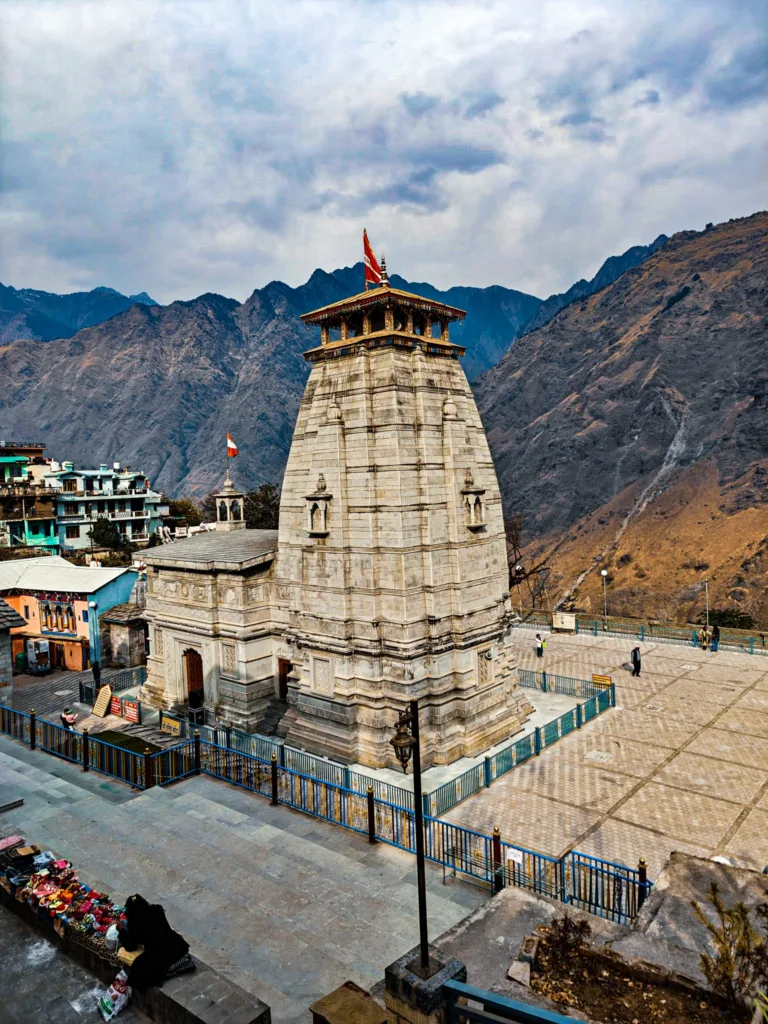
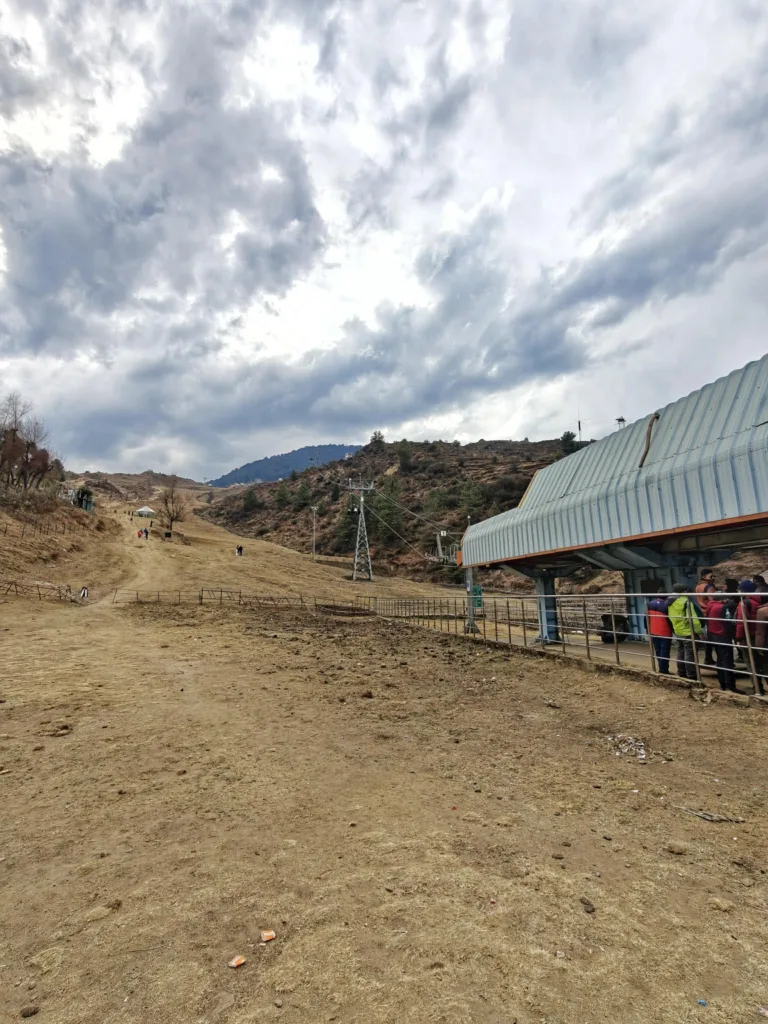
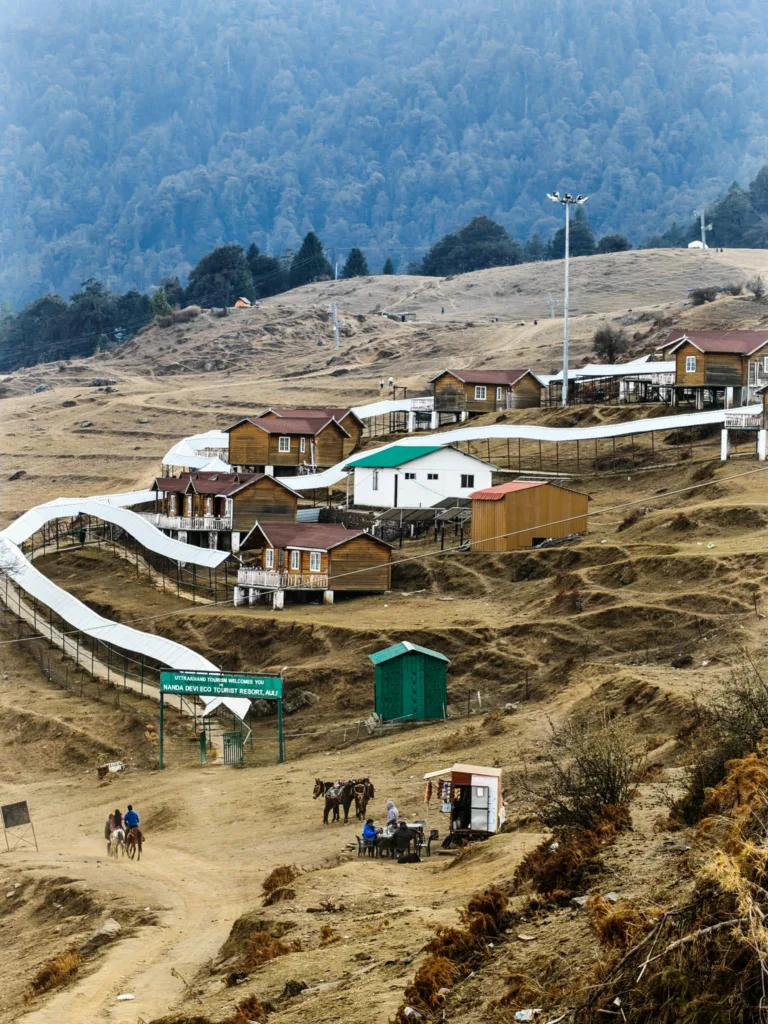
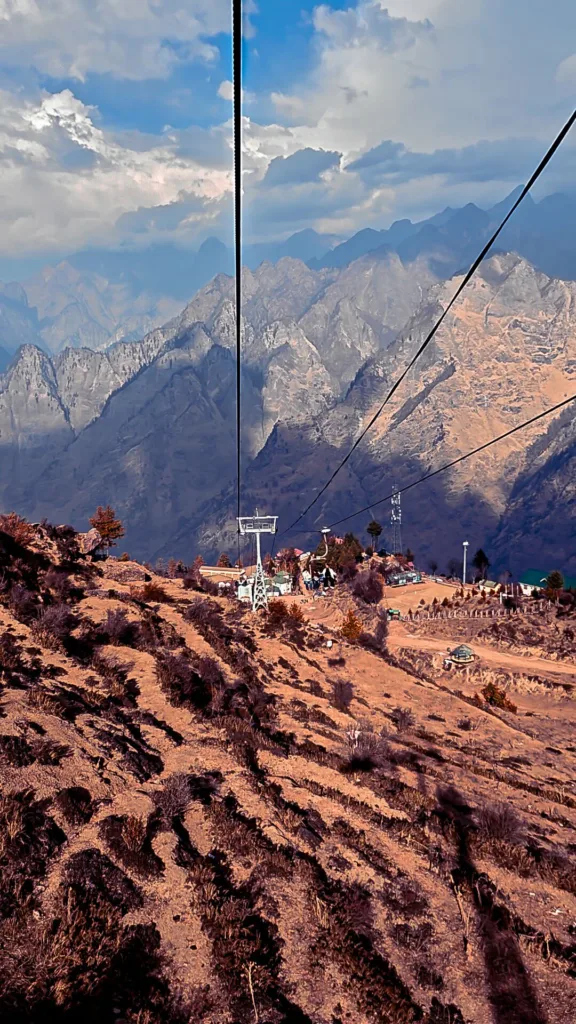
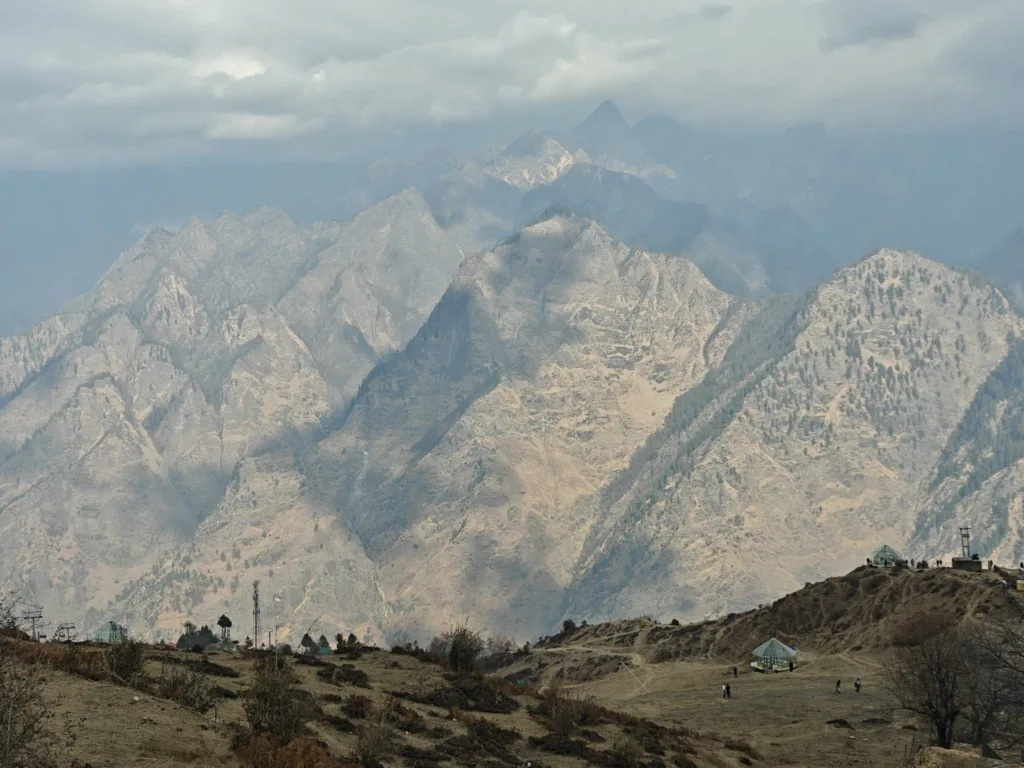
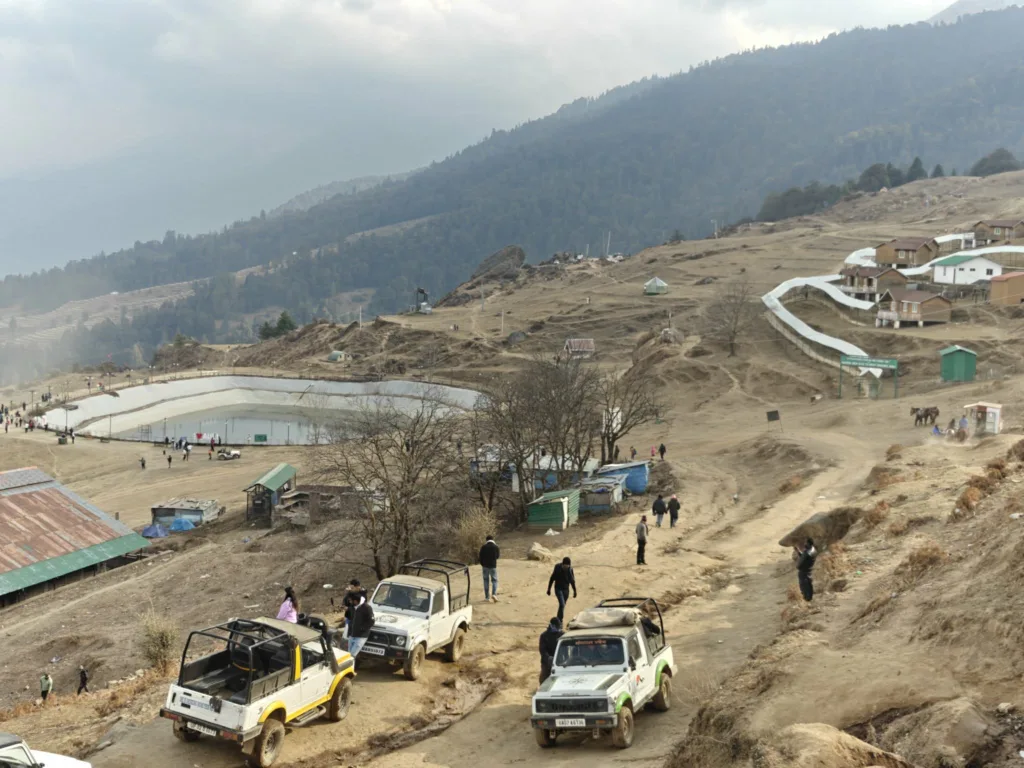
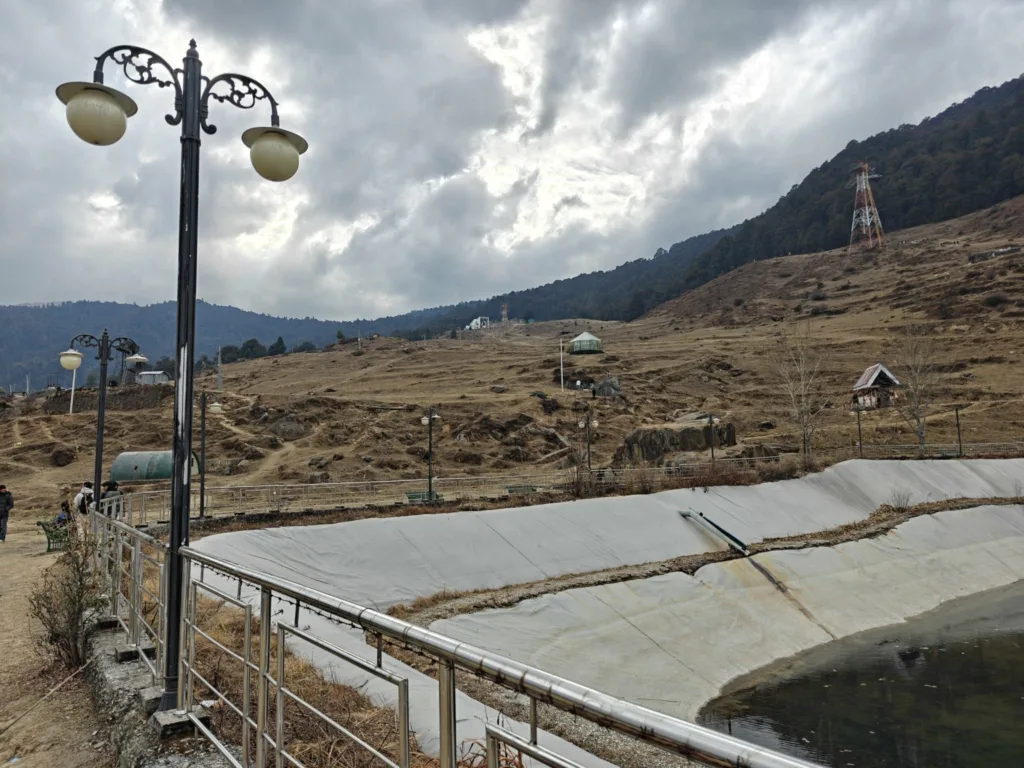
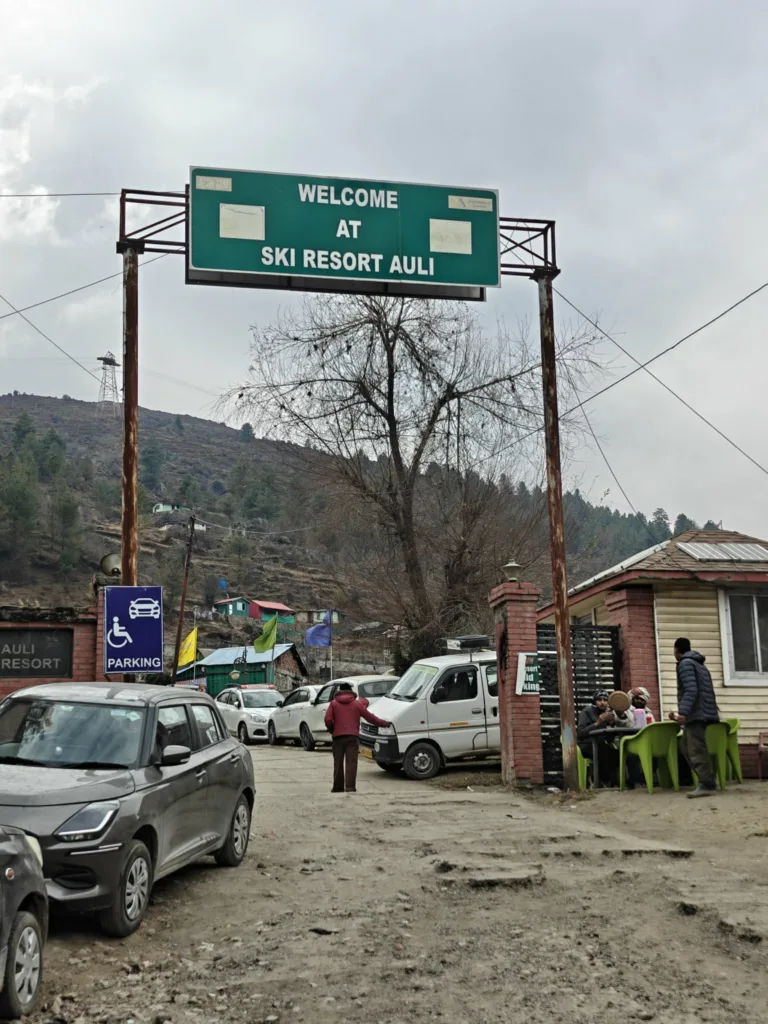
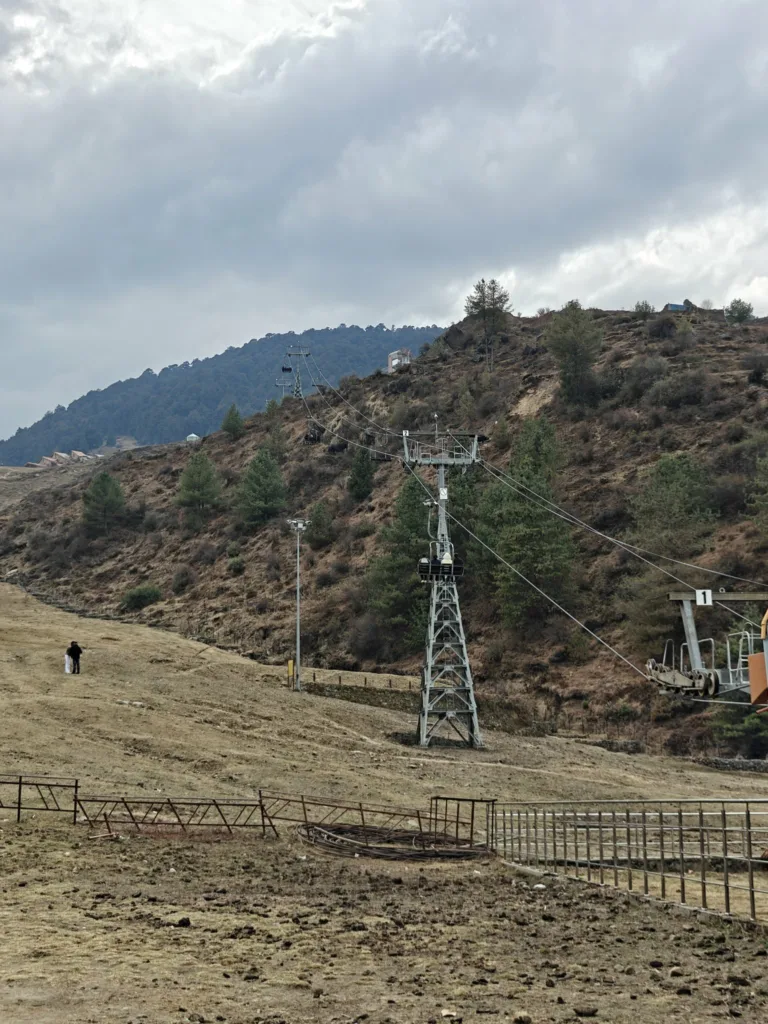
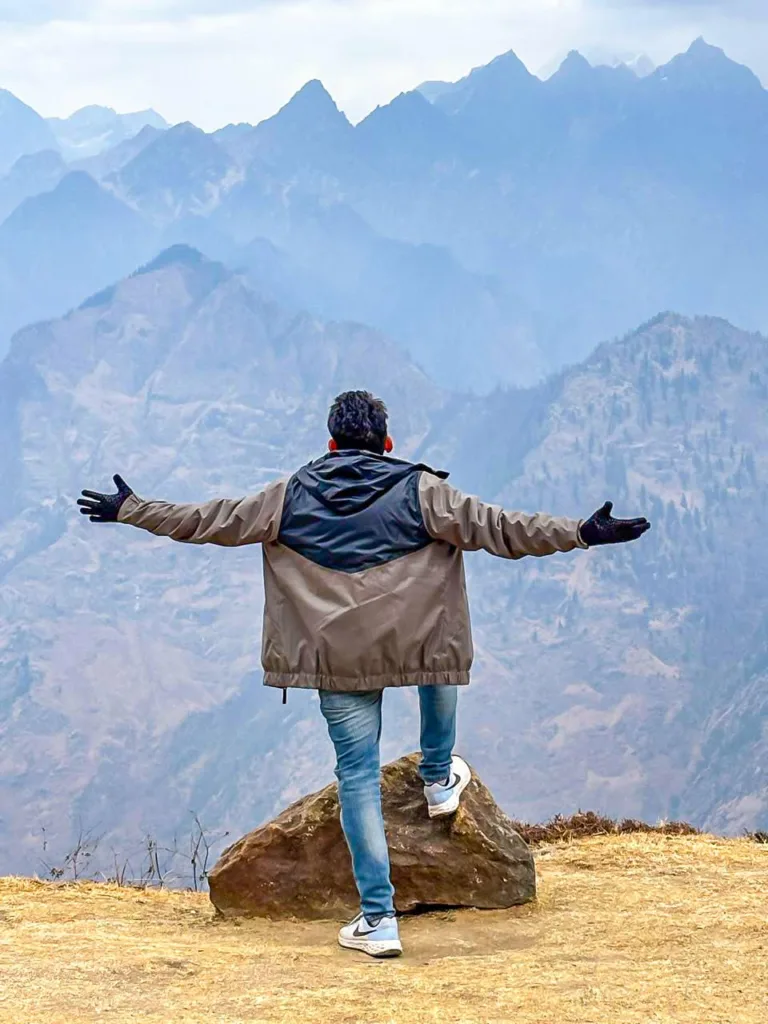
Reached Auli from there. One of the highlights of our visit was taking the Auli ropeway (cable car), which cost ₹500 per person. The ride itself is short but scenic, offering aerial views of slopes, forests, and distant mountain ranges. Although there was no snow during our visit, the landscape was still beautiful — open slopes, clear skies, and cold mountain air that made the experience feel distinctly wintry.
To explore further, we hired a local jeep and visited a few viewpoints and nearby spots around Auli. This turned out to be a good decision, as it allowed us to cover more ground comfortably and stop at quieter locations away from the main ropeway area. Even without snow, Auli had a peaceful charm, and the wide open views made it a relaxing stop rather than a rushed one.
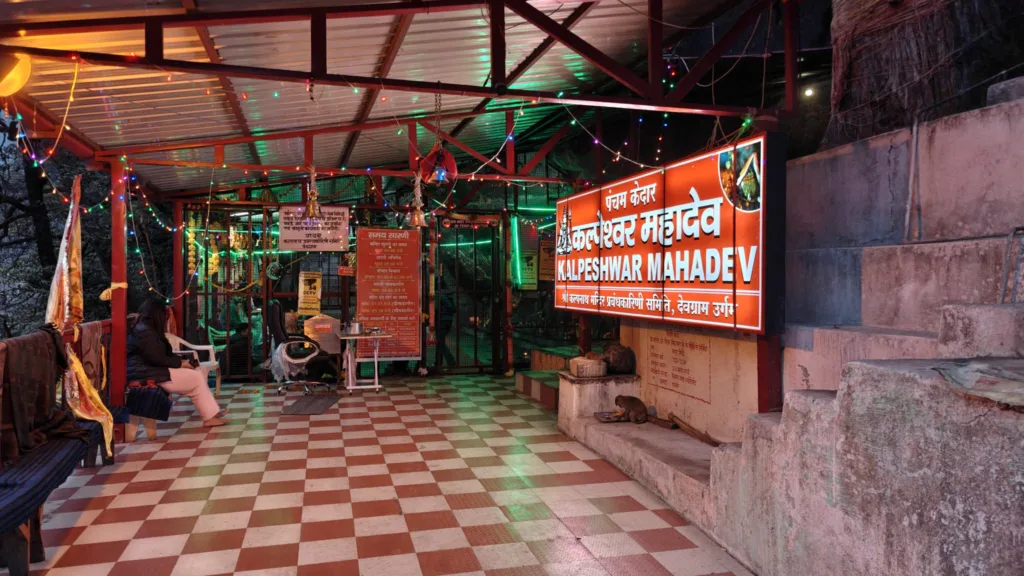
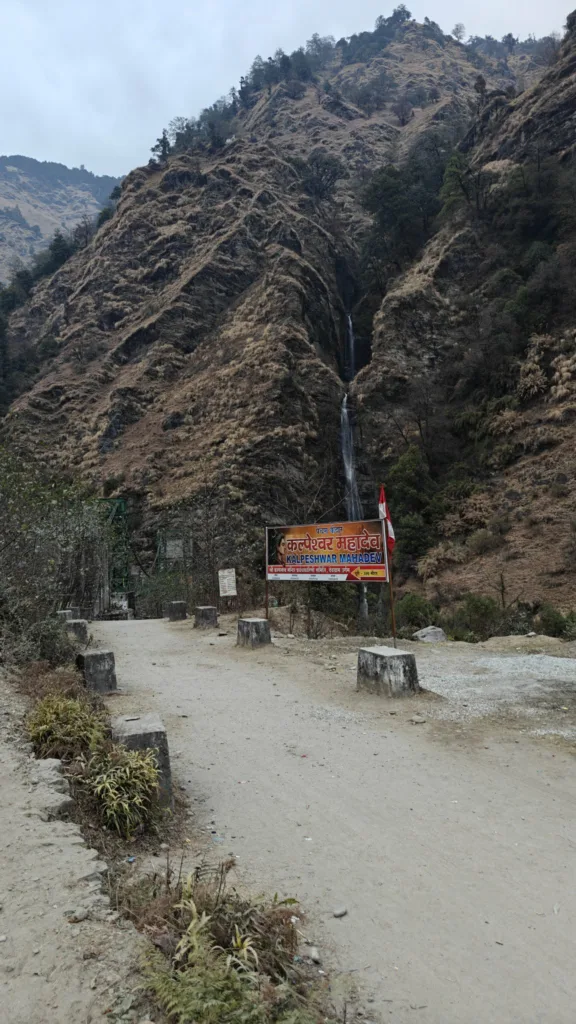
Later in the day, we headed to Kalpeshwar, one of the Panch Kedar temples and the only one that remains accessible throughout the year. Reaching Kalpeshwar involves a short walk from the road, and the atmosphere here is noticeably different from the more visited Kedars. The temple is simple, surrounded by forested hills, and largely untouched by commercial activity.
Compared to the busier shrines, Kalpeshwar feels quiet and deeply peaceful, making it an ideal spiritual stop before wrapping up the mountain journey. Spending time here felt more introspective than ceremonial — unhurried, calm, and grounding. We even got the change to provide the Evening Aarti which was a bonus as not many people gets this opportunity to perform rituals to Shri Kedar.
By evening, we returned to Pipalkoti for the night, grateful for a day that balanced scenic exploration with spiritual pause, and eased us gently towards the end of our Uttarakhand circuit.
Day 6: Pipalkoti to Haridwar – Closing the Loop
The final day involved a long drive back to Haridwar. After spending multiple days in cold mountain regions, the descent felt gradual and relieving. We dint stop for Rishikesh as we wanted to explore the Haridwar market more.
Reaching Haridwar marked the end of the circuit — a journey that balanced treks, road travel, spiritual stops, and winter mountain conditions without feeling rushed.
Winter Travel Notes from Our Experience
- Roads throughout the circuit were smooth and in good condition
- The Deoria Tal trek was rocky and physically demanding
- Chopta nights are extremely cold in December, especially in tents
- No snow on Tunganath route during our visit, but weather can change quickly
- Hiring a single vehicle greatly simplified logistics for the group
Final Thoughts
This Haridwar–Deoria Tal–Tunganath–Auli circuit is ideal for friends or small groups looking to experience Uttarakhand beyond the usual tourist checklist. Done in winter, it requires a bit more preparation but rewards you with fewer crowds and quieter landscapes.
If paced properly, this circuit offers a complete Uttarakhand experience — spirituality, trekking, scenic drives, and mountain solitude — all within six days. If you enjoy slow, experience‑driven travel rather than rushing through places, you may also like our relaxed South Goa travel guide.
If you enjoy detailed travel journeys, you can explore more of our Travel Blogs here.