Waking Up at 4 AM for a God Who Sleeps
If you’ve only got one day in Trivandrum, here’s exactly how we spent ours — and I promise it’s worth planning around. We landed at night, and honestly, my first impression of the city was just a blur of streetlights and the tired hum of a long day of travel from Mumbai. We checked in, dumped our bags, and crashed. There wasn’t much to see, and frankly, we didn’t have the energy to look. But I already knew what the next morning held, and that was the whole reason we’d barely unpacked before falling asleep.
Because in Trivandrum, if you want the real thing, you get up before the city does.
Official website of Kerala Tourism – https://www.keralatourism.org/
Govt Hotels – https://www.ktdc.com/
How to spend one day in Trivandrum: start at 4 AM
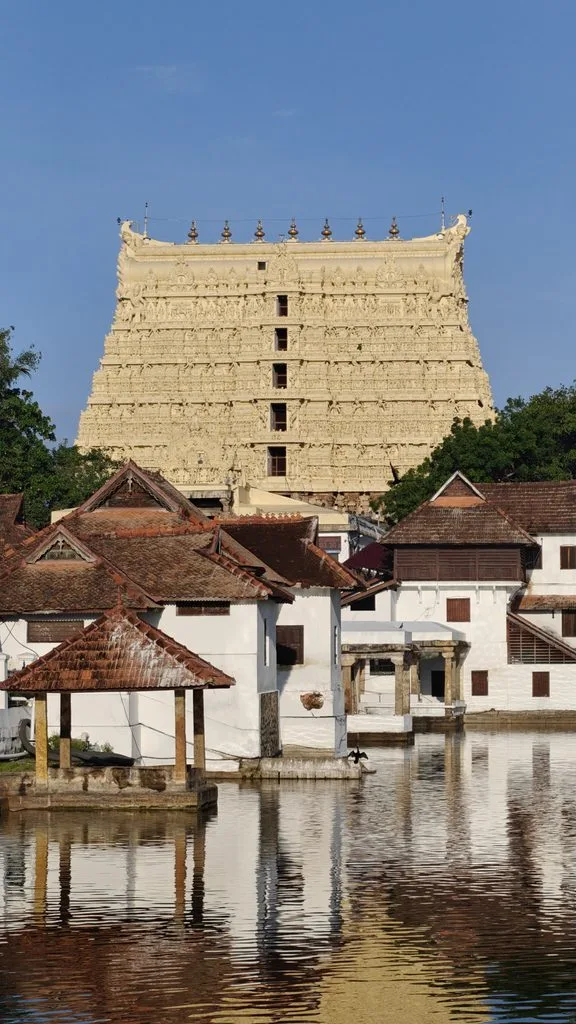
The alarm went off at four. It’s a strange kind of ache, dragging yourself out of bed in the pitch dark on the first proper morning of a holiday, but we did it anyway and made our way to the Sree Padmanabhaswamy Temple. And I’ll say this straight away: it was worth every minute of lost sleep.
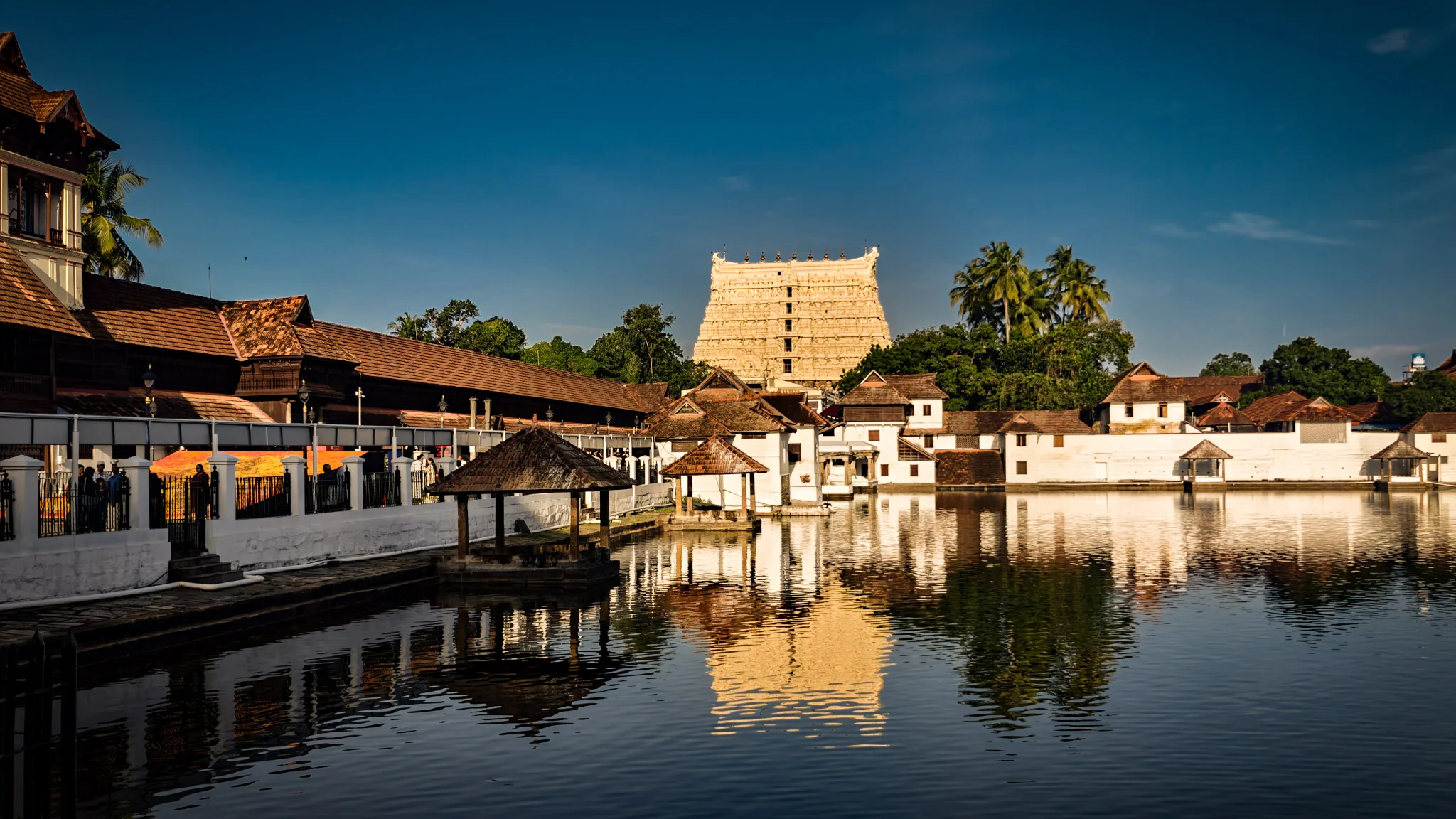
If you don’t know the temple, here’s the short version. It’s dedicated to Lord Vishnu, but not the Vishnu you usually picture. Here he’s Anantha Padmanabha — reclining in a deep cosmic sleep on the coils of the great serpent Ananta, with a lotus rising from his navel. The idol is so long, around eighteen feet, that you can’t actually see the whole thing at once. You view it through three separate doors: first the face, then the middle with the lotus and Brahma, and finally the feet. There’s something oddly moving about that, walking from door to door to take in a single god piece by piece.
The name of the whole city comes from this deity — Thiru-Anantha-Puram, “the sacred city of Ananta.” So in a way you’re not just visiting a temple, you’re standing at the reason the place exists.
A bit of history, because it’s genuinely fascinating. The shrine is ancient — it’s counted among the 108 Divya Desams, the holiest Vishnu sites, and the saint-poets were singing about it well over a thousand years ago. But the granite structure you actually walk through was rebuilt by Marthanda Varma, the Travancore king, back in the 1730s. The thing that really gets me, though, is what he did in 1750: he formally handed over his entire kingdom to the deity and ruled ever after as Padmanabha Dasa, the servant of the Lord. The royal family kept that title for generations. And then, if that wasn’t enough, in 2011 they opened the temple’s underground vaults and found treasure worth over twenty billion dollars, which made it the richest temple on earth overnight. One vault is still sealed to this day.
You feel all of that history sitting on you a little when you’re standing in the queue in the half-dark.
Speaking of the queue — we got lucky. Just about an hour of waiting, and that was it. From what I hear, come back a few hours later and you’ll be standing far longer, so the miserable early start pays for itself. One practical thing worth knowing: there’s a strict dress code. Men wear a mundu with no shirt on top, women a saree or set-mundu, so sort your clothes out the night before rather than scrambling at dawn like we nearly did.
If you are travelling India the first time, do read this https://neonbrothers.com/first-time-india-travel-guide/
Temple Darsan Timing
Morning
03:30 AM – 04:45 AM
06:30 AM – 07:00 AM
08:30 AM – 10:00 AM
10:30 AM – 11:15 AM
11:45 AM – 12:00 PM
Evening
04:30 PM – 06:15 PM
06:45 PM – 07:20 PM
Note –
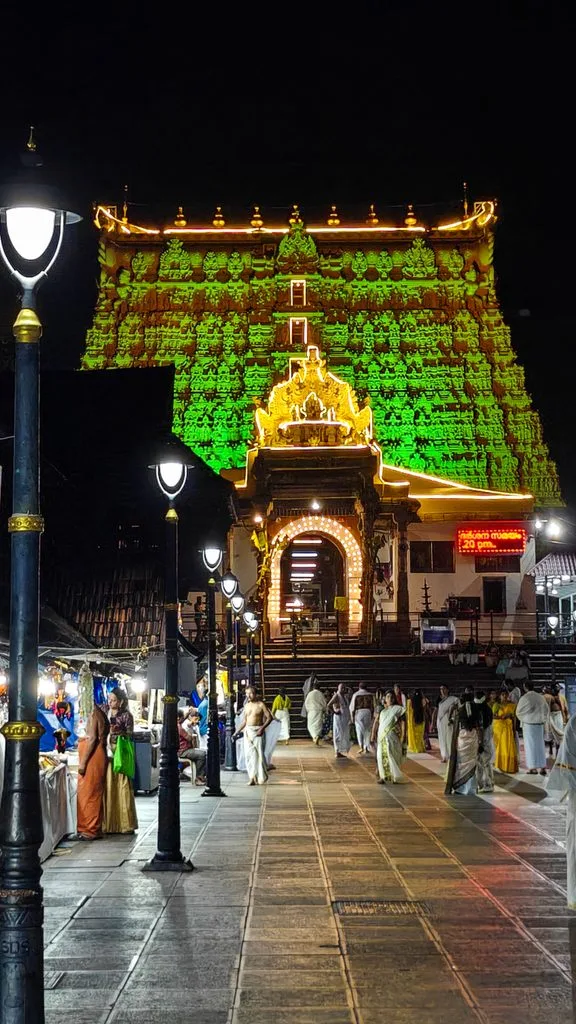
- The main entrance is the East Gate, which has this view below. Also we have.
- Special Darshan: Spot-purchase or special entry options (such as VIP/special queues) are often available at the venue for around ₹150 to ₹500 depending on the specific tier and inclusion of prasadam
Breakfast, and the underrated art of going back to bed
By the time we came out, the sky had gone soft and grey and we were absolutely starving. Nothing fancy — just a proper South Indian breakfast, hot off the pan, with filter coffee strong enough to reset your whole nervous system. After a 4 AM start, that first sip is basically a religious experience of its own.
And then we did something I’d genuinely recommend to anyone: we went back to the hotel and rested. No sightseeing, no rushing to tick off the next thing. Just a couple of hours to let the early morning settle. I think people feel guilty about “wasting” holiday time like this, but pacing yourself is the difference between actually enjoying a day and just enduring it. We got our energy back, and the rest of the day was so much better for it.
The museum, the zoo, and a bit of unhurried wandering
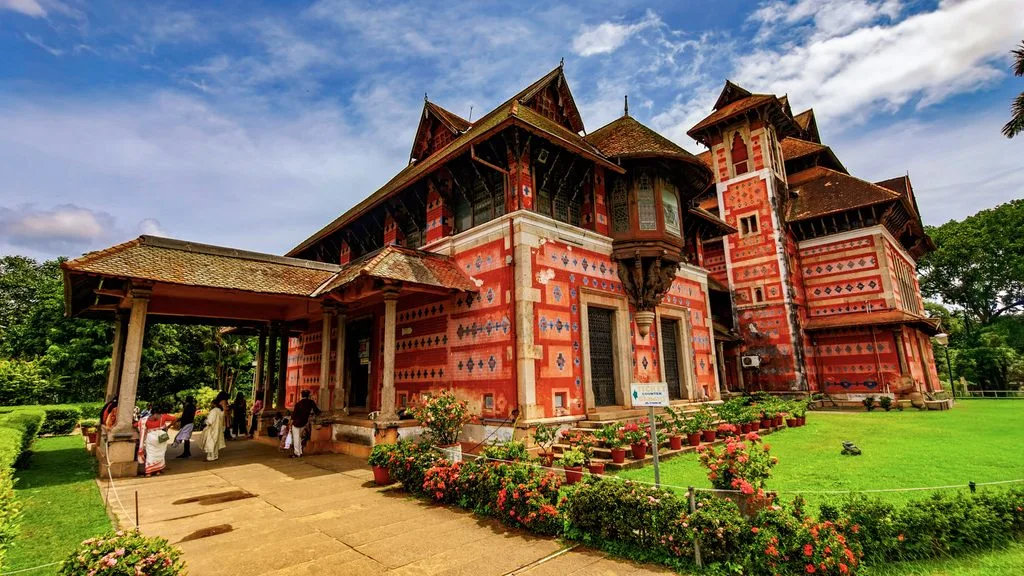
Once we were human again, we headed to the Napier Museum and the Thiruvananthapuram Zoo, which sit together in the same green public gardens right in the middle of town.
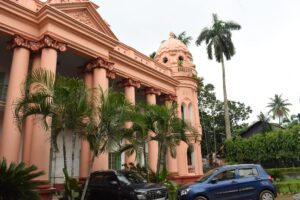
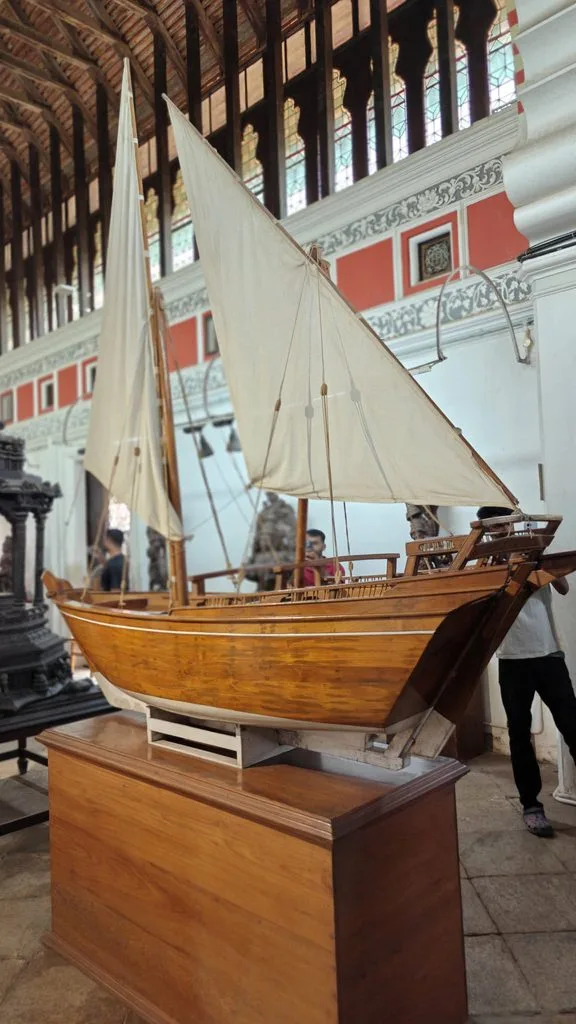
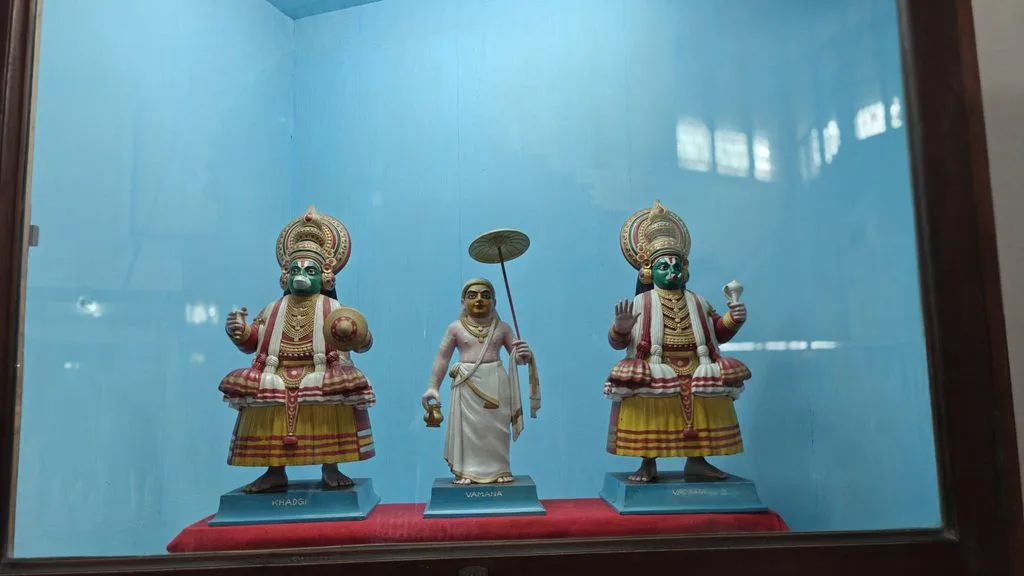
The museum itself is a bit of a showstopper before you even go in. It was opened back in 1880, designed by an architect called Robert Chisholm in this gorgeous Indo-Saracenic style — Gothic roofs, little minarets, all this colourful ornamentation that borrows from Kerala, Mughal and Chinese influences all at once. Inside there are old bronze idols of Shiva, Vishnu, Parvati and Lakshmi, wood and ivory carvings, ancient coins from the Chera, Chola and Pandya dynasties, and even the sword of Velu Thampi Dalawa. It’s the kind of place where you can wander slowly and keep stumbling onto something interesting.
Right next door is the zoo, and it’s one of the oldest in the whole country — established in 1857, spread across fifty-odd acres of shady woodland and little lakes. It’s a lovely, easy stroll, the sort of place that doesn’t demand anything of you.
One tip if you’re planning this: check the days before you go, because the museum is closed on Mondays and keeps slightly odd hours, so you don’t want to turn up to locked gates.
Museum Timings
Open 10:00 – 16:45 hrs, Wednesday 13:00 – 16:45 hrs.
Closed on Mondays, January 26th, August 15th, Thiruvonam and Mahanavami
Entry Fee
Person above 12 years: 30.00 INR
Person below 12 years and above 5 years: 15.00 INR
Family tickets (father, mother & 2 children below 12 years) : 70.00 INR
Group A ( 35 Students & 2 Teachers – Higher Secondary and College Students): 250 INR
Group B ( 35 Students & 2 Teachers – Upto 10th Standard Students): 200 INR
Car Parking : 150.00 INR
Ticket sale upto 4: 30 PM
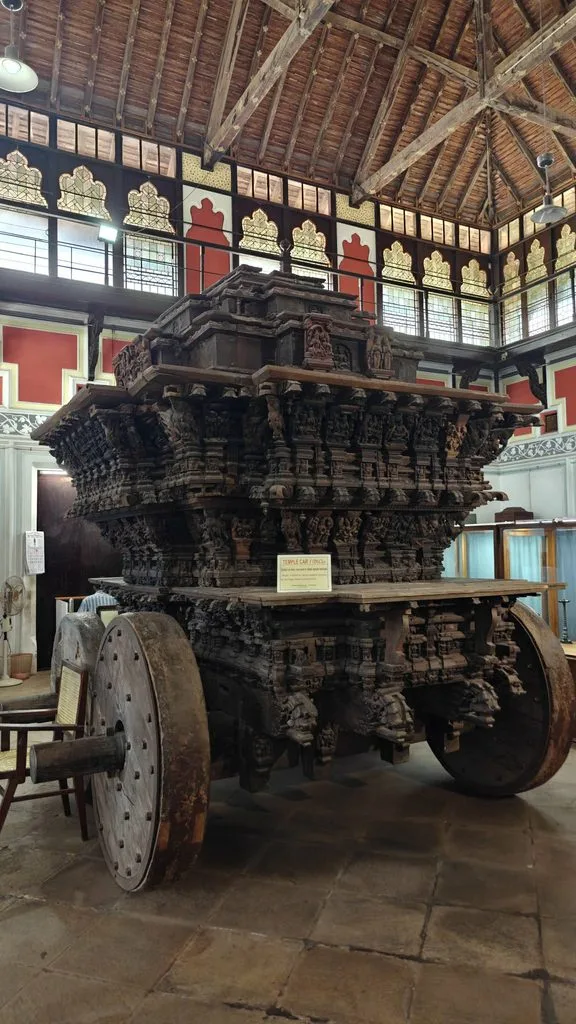
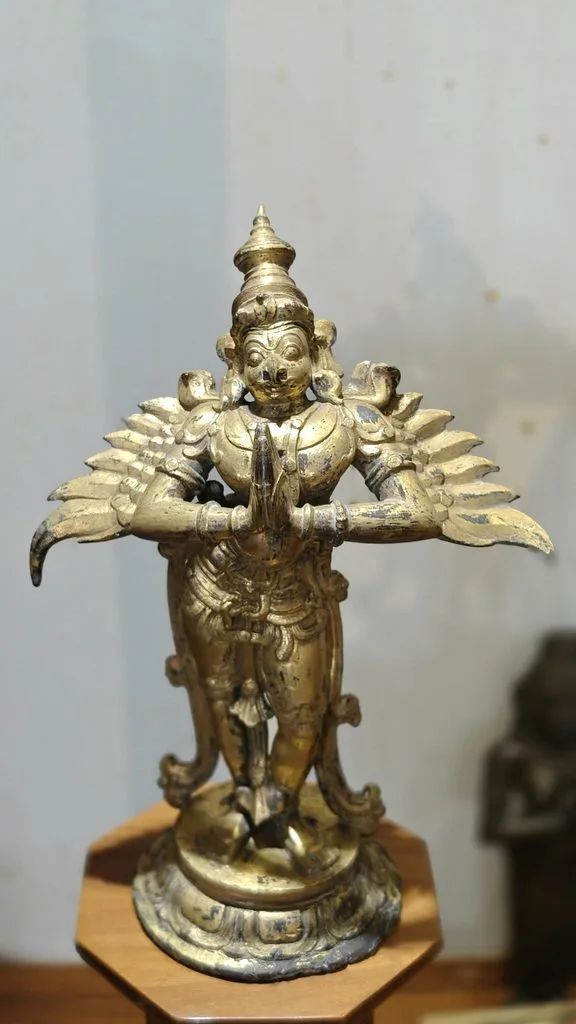
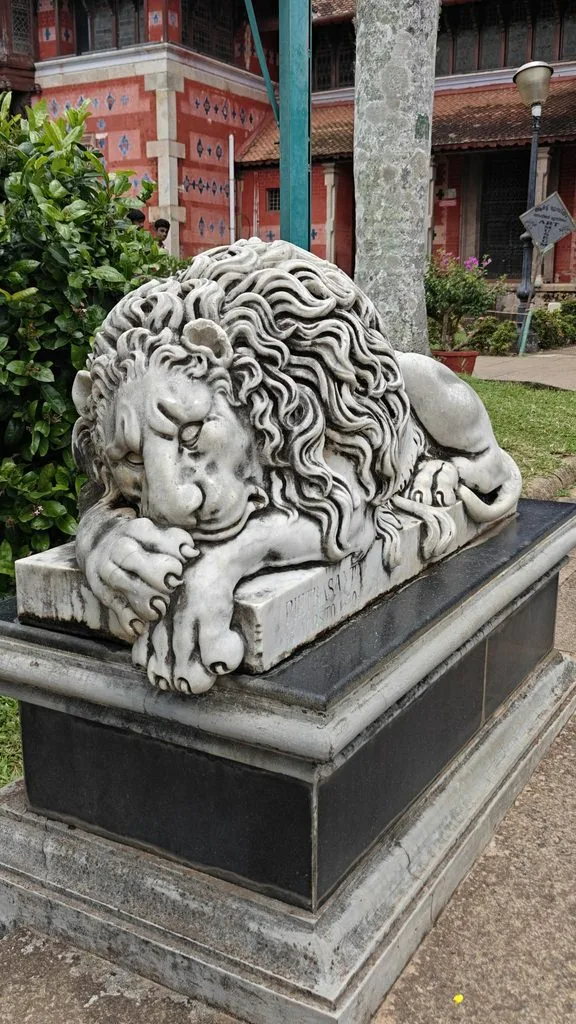
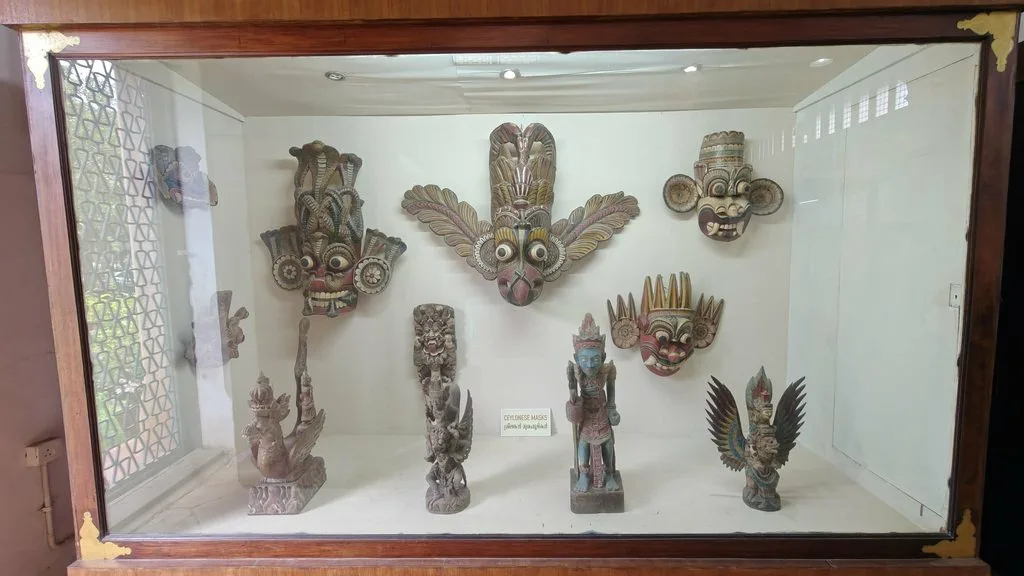
Down to the sea (with a very good lunch on the way)
From the gardens we pointed the car south and headed straight for the coast — for Kovalam, which is the beach town everyone means when they talk about the sea near Trivandrum, about twenty minutes out of the city.
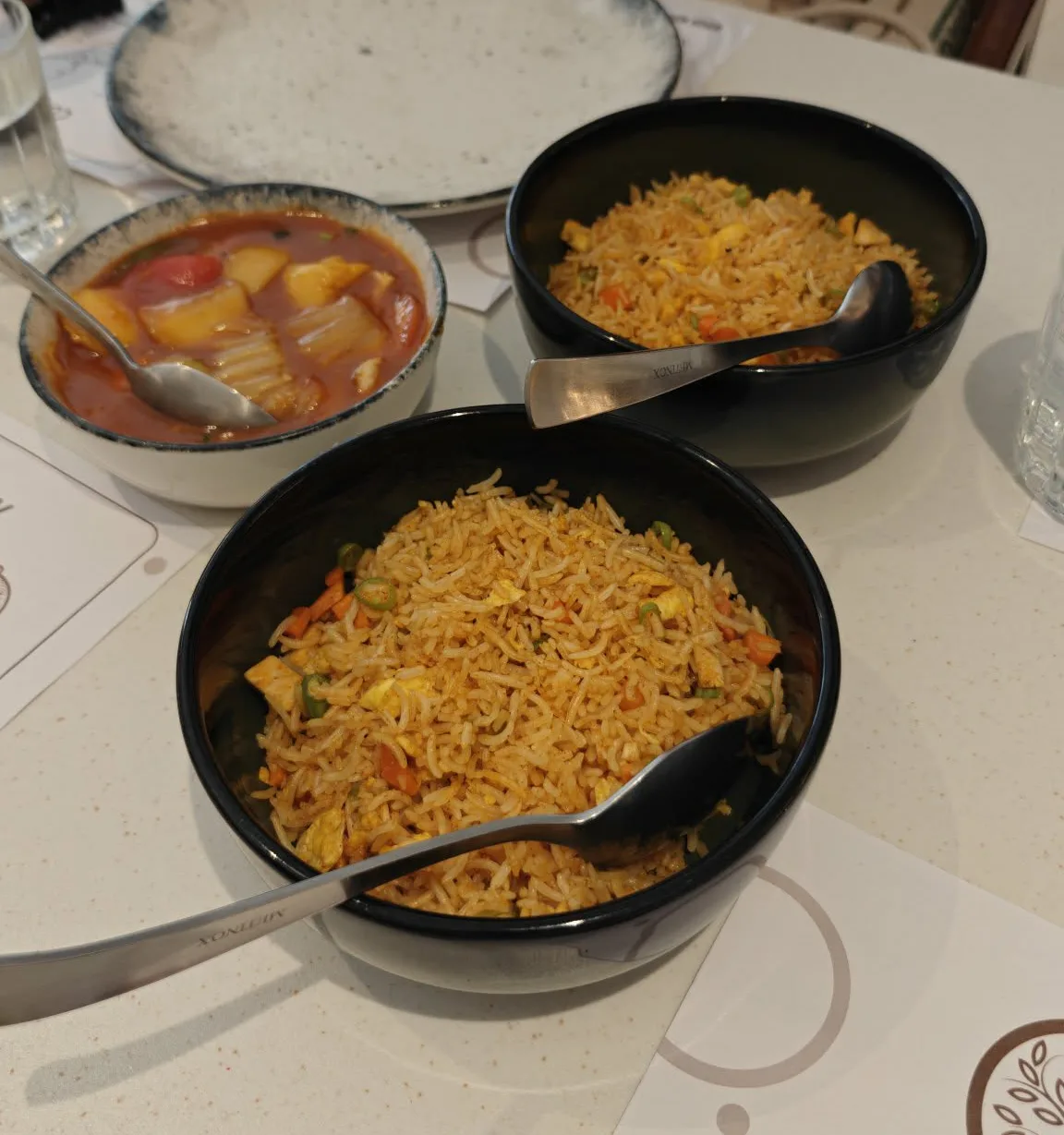
But first, food. We stopped for lunch at a place called Lantern Plus Restaurant, and it completely hit the spot — a relaxed, satisfying meal right when we needed it, before an afternoon of sun and salt air. If you’re heading that way, it’s worth a stop.
Note – You can easily get Ola, Uber to make to and fro journeys.
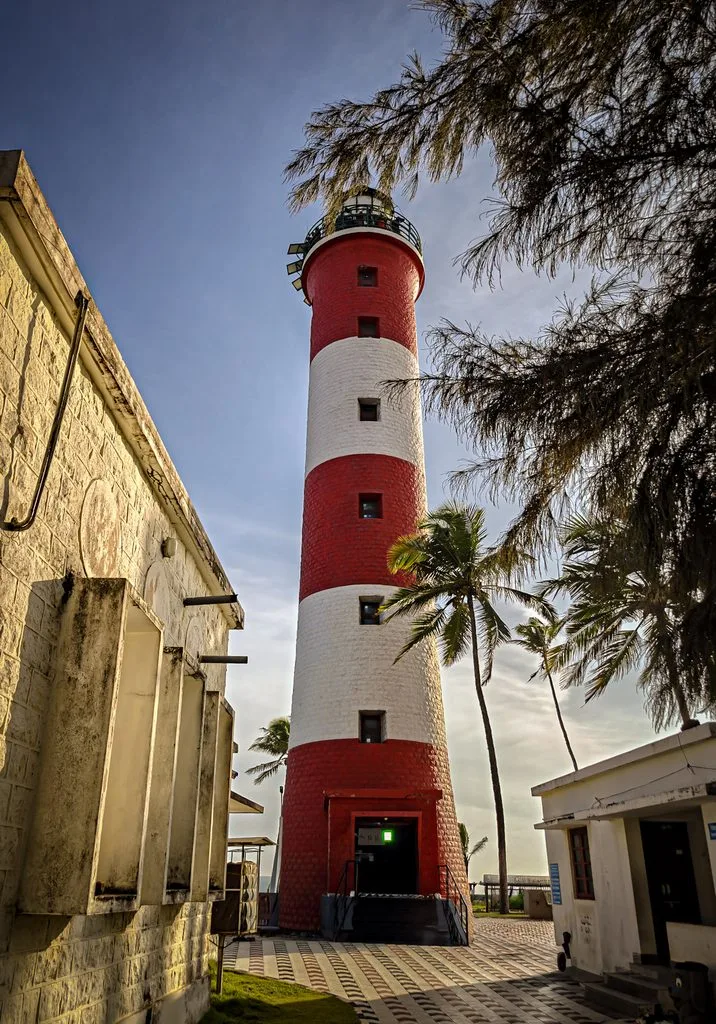
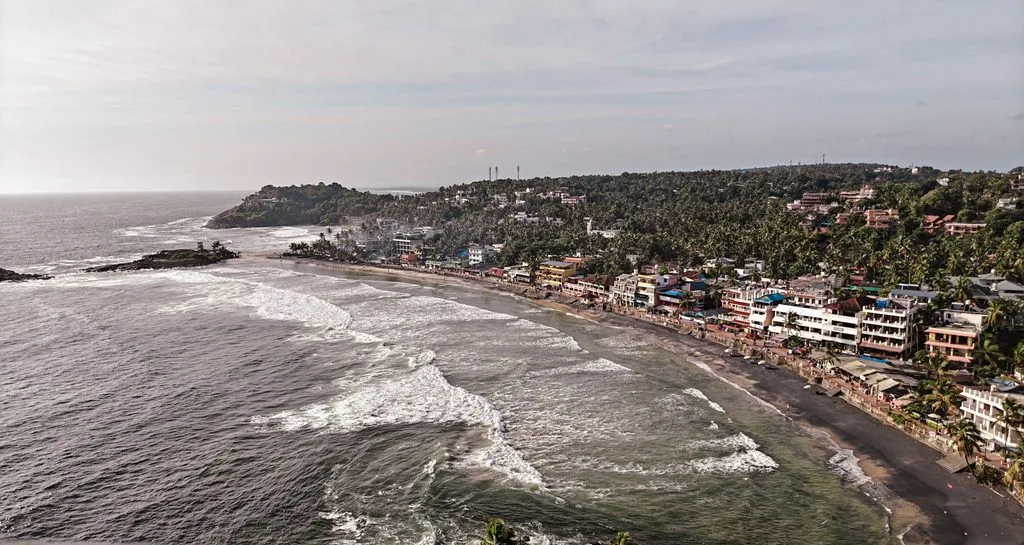
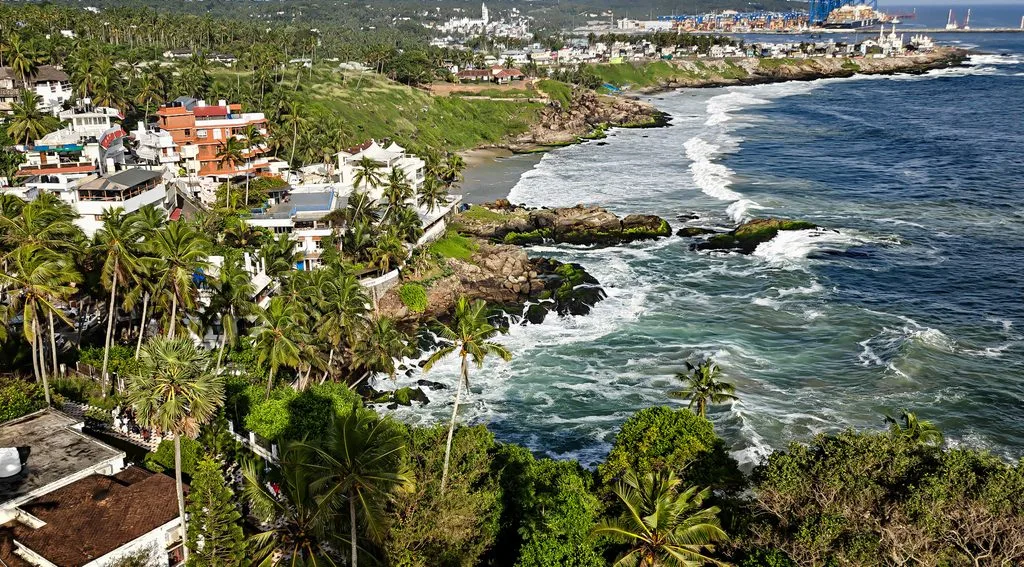
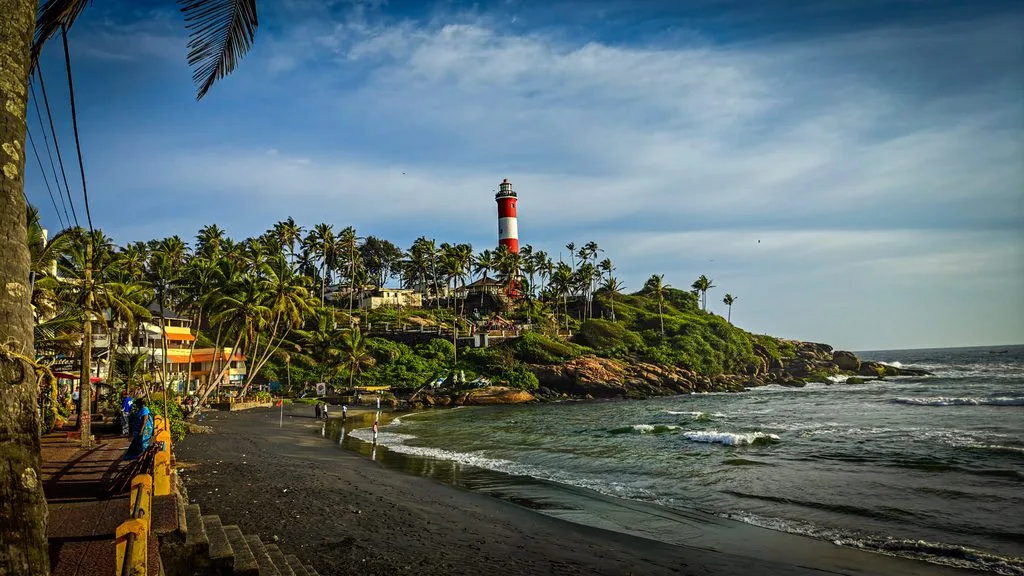
And then Kovalam itself. There’s the curve of the beach, the old lighthouse standing watch, the fishing boats, and that sea breeze that seems to physically lower your blood pressure. We didn’t do anything in particular. We just walked, watched the waves, and let the afternoon go where it wanted.
Timings & Entry Details
- Operating Hours: 10:00 AM – 12:30 PM and 2:00 PM – 5:00 PM
- Closed Day: Mondays
- Visit Duration: Around 30- 45 minutes
Ticket Prices
- Adult Entry Fee: ₹10 to ₹20 per person (varies slightly by official updates)
- Children / Senior Citizens: ₹10
- Foreign Tourists: ₹20 to ₹50 per person
- Mobile / Camera Charges: Around ₹10 extra for mobile phones or still cameras
Azhimala: the giant Shiva rising out of the sea
The part of the day I keep coming back to in my head, though, is Azhimala.
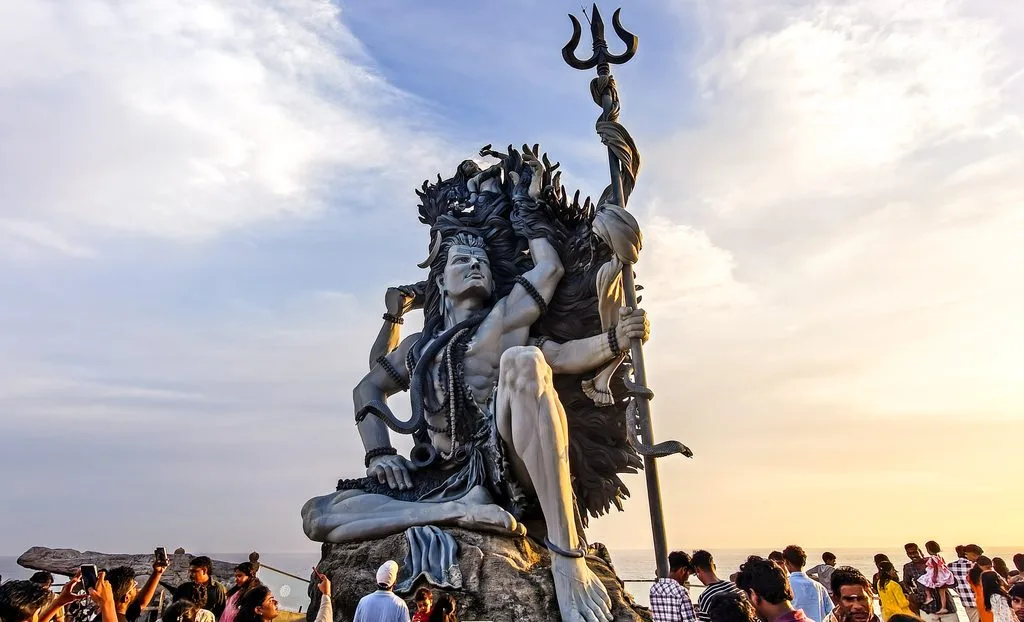
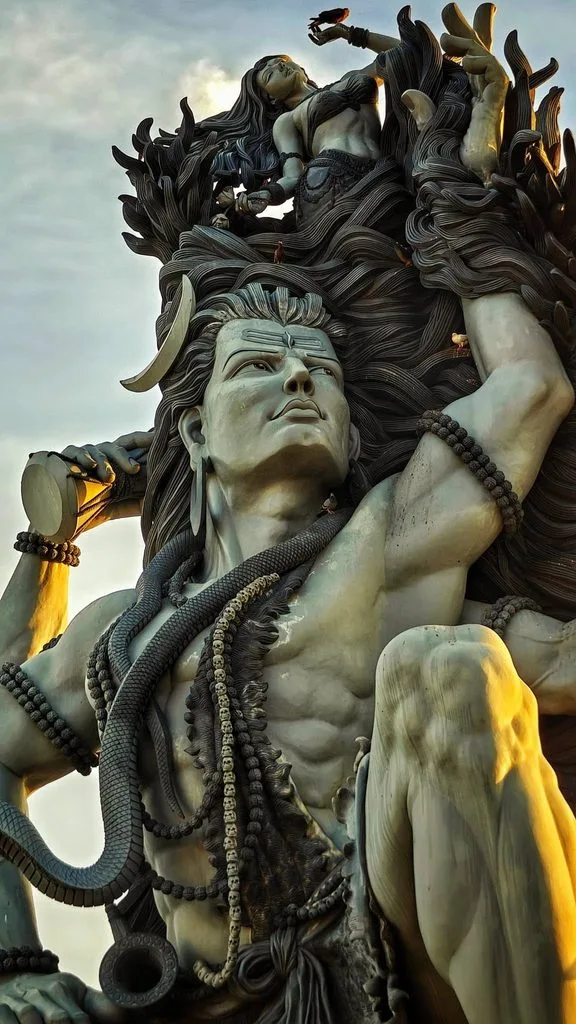
A little south of Kovalam, on a cliff right above the Arabian Sea, there’s a Shiva temple that’s supposed to date back to around the 8th century. But what stops you in your tracks is the statue — a fifty-eight-foot Gangadhareshwara Shiva, seated on the rock with the sea crashing below him, holding the goddess Ganga in his matted hair. It’s the tallest Shiva sculpture in Kerala.
What I didn’t know until I got there is the story behind it. A local sculptor named P. S. Devadathan — a man from Azhimala itself — spent six years of his life building it, and it was finally unveiled at the very end of 2020. When you learn that, and then look up at the thing rising against all that blue with the wind whipping around you and the waves smashing on the rocks, it does something to you. Statues usually don’t. This one did.
If you can possibly time it for late afternoon or sunset, do. The silhouette against the sea is one of those images that stays with you long after you’ve gone home.
For an extensive visit to the famous Tirupati temple, read our separate blog on it
General Details
- Entry Fee: Free for the main temple; approximately ₹20 per person for the statue/cave area.
- Timings: Usually open from 5:00 AM to 12:00 PM and 4:00 PM to 8:00 PM (cave temple sections may have slightly varied hours like 7:00 AM to 8:30 PM).
- Special Poojas: Available inside for additional standard charges.
Winding down: rest, then a lazy wander through the temple lanes
By then the day had well and truly caught up with us, so we went back to the hotel for a while and let ourselves flop. But we weren’t quite ready to call it a night.
In the evening we drifted out to do a bit of small street shopping in the lanes near the Padmanabhaswamy Temple. Little stalls, bangles, trinkets, brassware, the warm buzz of a temple town at dusk. We weren’t really buying anything in particular — just meandering, poking around, soaking in the atmosphere. And it turned out to be one of my favourite parts of the whole day, precisely because there was no plan to it.
And that was it. That was our day. We called it a night.
If you’re thinking of doing the same one day in Trivandrum
- Get up ridiculously early for Padmanabhaswamy. The 4 AM darshan was the single best decision we made — a short queue and a genuinely magical, quiet atmosphere you simply won’t get later in the day.
- Don’t feel guilty about resting. Going back to the hotel after breakfast is what saved the rest of our day. Pace beats hustle every time.
- Sort out the dress code the night before (mundu for the men, saree or set-mundu for the women), and double-check the museum’s opening days so you don’t get caught out.
- Leave a little room for the unplanned bits. The temple lanes at night, the long slow look at the sea, the giant Shiva at Azhimala — those were the moments I remember most, and not one of them was really on a schedule.
Trivandrum doesn’t grab you by the collar the way some places do. It just quietly opens up to anyone willing to meet it early and take it slow. Give it a full day, and it gives you a lot back. If you want to add Varkala as well to your trip, read this blog
Been to Trivandrum yourself? I’d love to hear your favourite corner of the city — drop it in the comments. And if this helped you plan your one day in Trivandrum, pass it along to someone who needs it. Also check our other Travel Blogs section for more places to visit in India